




.svg)
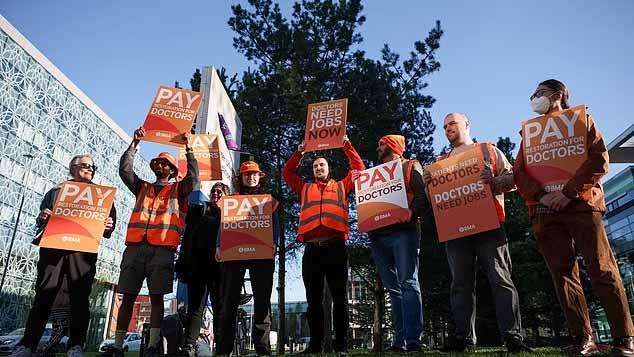
Resident doctors across the UK have begun a six-day strike over pay and working conditions, reigniting tensions between the government and medical unions amid growing concerns over the financial impact on the National Health Service.
Tens of thousands of doctors—formerly known as junior doctors—joined picket lines early this morning after rejecting a proposed pay deal put forward by Health Secretary Wes Streeting. The offer included a 4.9% increase in basic pay, which the government says would have left doctors 35.2% better off compared to four years ago.
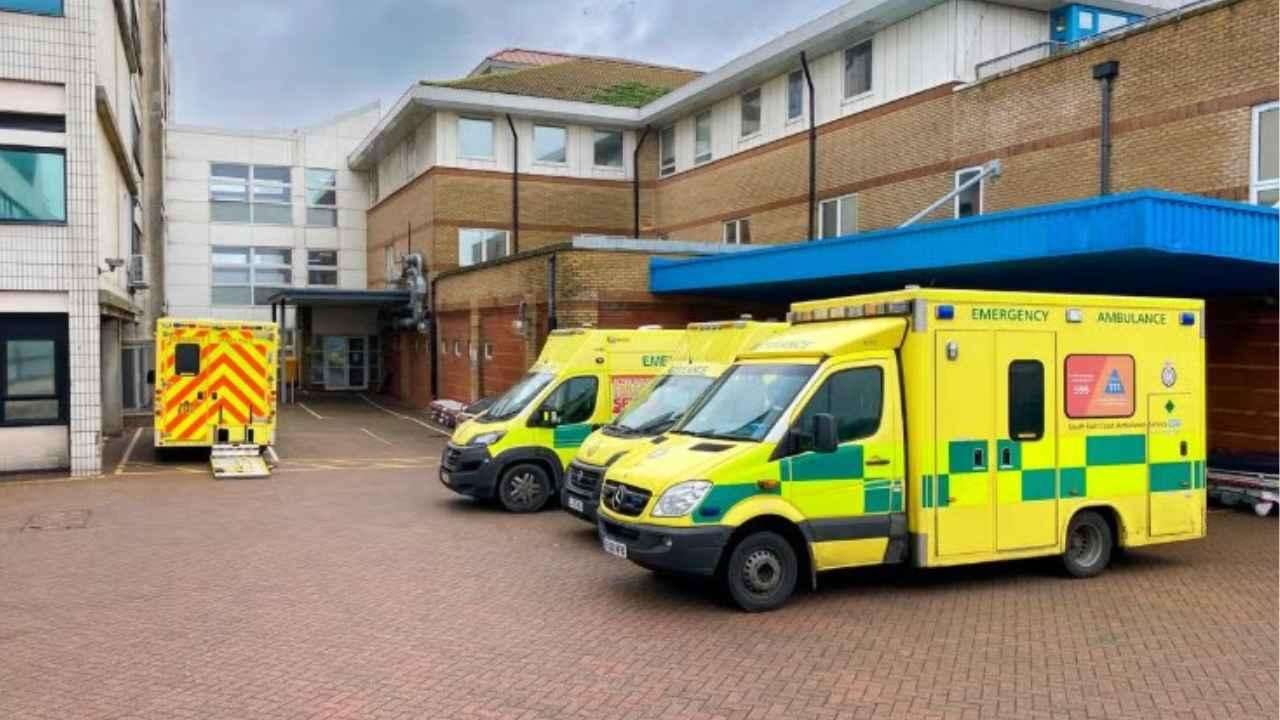
The strike is expected to place significant strain on the National Health Service, with health leaders warning of operational challenges following the bank holiday weekend. While most scheduled appointments are expected to proceed, thousands are likely to be postponed.
Officials estimate the strike will cost the NHS around £50 million per day, with the total impact for this week alone projected at £300 million. Over the past three years, repeated industrial action by doctors has reportedly cost the health service £3 billion.
To maintain services, hospitals are being forced to cancel procedures and hire senior consultants—sometimes at rates exceeding £300 per hour—to cover staff shortages. Despite the disruption, patients have been urged to continue seeking medical care as normal unless advised otherwise.
The dispute stems from a breakdown in negotiations between the government and the British Medical Association (BMA), which represents doctors. The union’s resident doctors’ committee rejected the latest offer, arguing it falls short of restoring pay levels in line with inflation since 2008.
The proposed deal also included 1,000 additional training places for doctors, but the government has now withdrawn this commitment, citing financial and operational pressures caused by the strike.
Defending the offer, Streeting said the cost of fully meeting the union’s pay demands could reach £3 billion annually—potentially rising to £30 billion if extended to other NHS staff.
Meanwhile, the BMA has stood by its position, stating that both fair pay and improved working conditions are essential to address long-term workforce challenges in the NHS.
Health analysts warn that recurring strikes could further strain an already pressured system, with each wave of industrial action costing hundreds of millions and contributing to treatment backlogs.
NHS England Professor Ramani Moonesinghe said on Monday that although the latest industrial action will be challenging—especially as it follows immediately after the Easter weekend—patients should continue to attend their scheduled appointments unless they are told otherwise.
UK Health Secretary Wes Streeting described the strike as “disappointing,” emphasizing that both he and NHS leaders are focused on safeguarding patients and staff while reducing disruption to healthcare services.
In an article for the Daily Express, he stressed that he would not allow what he called unnecessary strike action to damage the country’s most valued institution. He acknowledged that some appointments may be cancelled but assured that the government is working closely with NHS teams nationwide to keep services running and maintain access to care.
Meanwhile, Jack Fletcher, representing the British Medical Association resident doctors, accused the government of quietly weakening the proposed pay deal. He said doctors are willing to end the strikes but require a fair and consistent offer that is not altered at the last moment.
This marks the 15th doctors’ strike in England since 2023. In a separate dispute over pay, hundreds of BMA staff are already taking part in a 48-hour strike that began the previous day.
Following earlier walkouts by junior doctors, the BMA has also indicated that senior doctors may soon be consulted on potential strike action after the government announced a 3.5% pay rise. Voting for consultants and specialist, associate specialist, and specialty (SAS) doctors is scheduled to take place between May 11 and July 6.


.jpg)