






.svg)
The Home Office and the Solicitors Regulation Authority (SRA) have launched an aggressive forensic audit of all active and past cases linked to Zahid Hasan Akhand following revelations of a sophisticated infrastructure designed to bypass British border controls,A BBC investigation find out.
The Akhand Strategy and Immediate Consequences
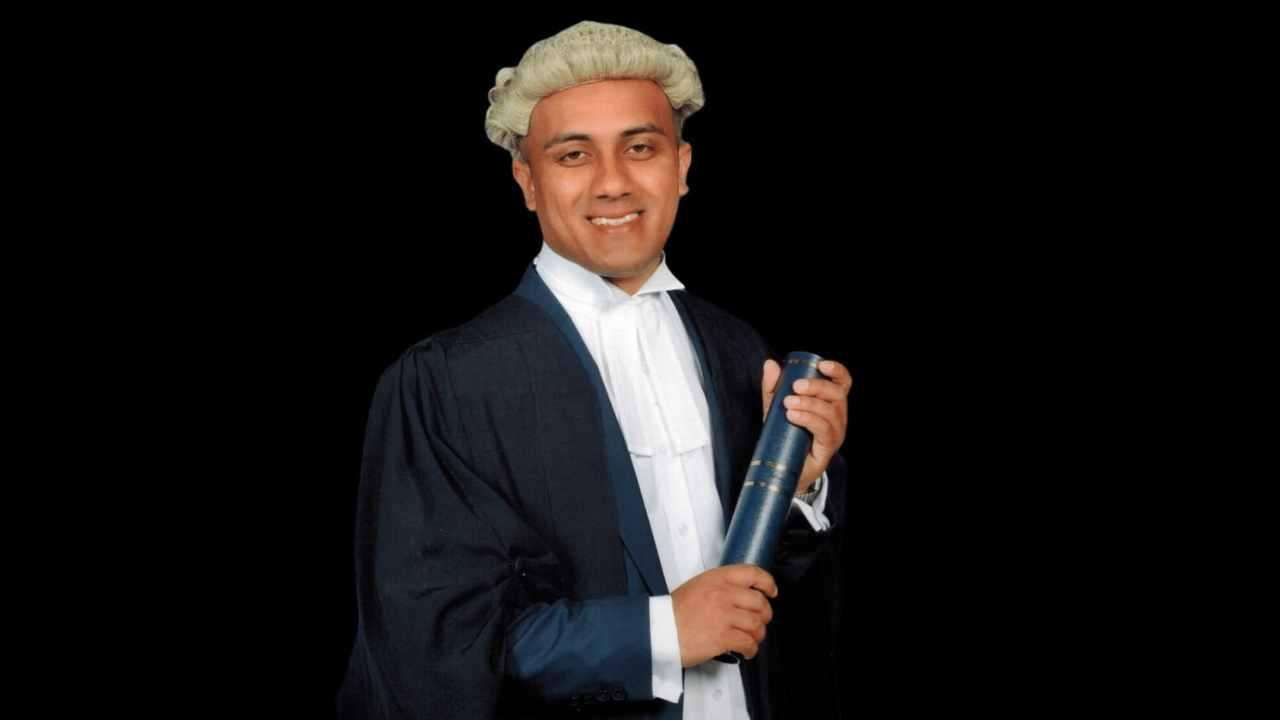
Zahid Hasan Akhand, a prominent figure within certain Bangladeshi legal circles in East London, is now the central focus of a multi-agency task force. Unlike previous reports that focused solely on the act of deception, the current investigation is tracking the digital footprint of the "evidence manufacturing" process he allegedly pioneered. Sources close to the investigation told journalists that Akhand did not merely suggest dishonesty; he provided a tiered pricing structure for the creation of a "digital ghost," a fabricated persona designed to fool Home Office algorithms and human caseworkers alike.
The next phase of the crackdown involves the use of advanced AI detection tools by the Home Office to retroactively scan asylum statements. This follows Akhand’s specific advice to use ChatGPT and other generative tools to write blog posts for fake atheist magazines. Legal experts told journalists that any application containing AI-generated "persecution evidence" linked to Akhand’s office is now being flagged for immediate revocation.
The Fabricated Identity Network
Akhand’s operation allegedly relied on a network of complicit organisations both in the United Kingdom and Bangladesh. Updated information confirms that several "atheist magazines" and "political blogs" cited in recent applications have been identified as shell platforms with no genuine readership, created solely to host paid-for articles. Security services are now working with Bangladeshi authorities to identify the administrators of these sites, who reportedly charged up to £3,000 to publish inflammatory content that would trigger "staged" threats from religious extremists.
Beyond the digital realm, the investigation has shifted to "performance coaching." It has been revealed that Akhand’s services included intensive mock interviews where applicants were trained to adopt specific psychological profiles. A source told journalists that the instruction went as far as directing physical mannerisms and emotional outbursts to ensure the "credibility" of a false claim during Home Office screenings.
What Happens Next for Akhand and the System
The Home Office Taskforce on Immigration Fraud is currently preparing a comprehensive dossier for the Crown Prosecution Service. While Akhand presented himself as a barrister, the SRA is verifying the legitimacy of his credentials and his right to practice in the UK. If found to have facilitated systemic fraud, he faces not only permanent disbarment but significant custodial sentencing under the Fraud Act and the Immigration Act.
Furthermore, the government is set to introduce a "Vetting of Representatives" protocol. This will likely involve a blacklist of legal advisers whose clients show a statistically impossible correlation of specific claims—such as the high volume of Pakistani and Bangladeshi nationals claiming "sudden-onset atheism" or sexuality-based persecution only after their student visas expired.
Read more- Desi "Gay" Sham: Inside the £7,000 Acting Schools for Fake UK Asylum
Impact on Genuine Claimants
The fallout from the Akhand investigation is already being felt by the legitimate Bangladeshi community. Human rights advocates told journalists that the "Akhand method" has poisoned the well for genuine refugees. The Home Office is expected to implement a "heightened scrutiny" period for all sexuality and religion-based claims originating from the South Asian diaspora, significantly increasing the burden of proof for those in actual danger.



.jpg)



.jpeg)