
.jpg)

.jpg)


.svg)
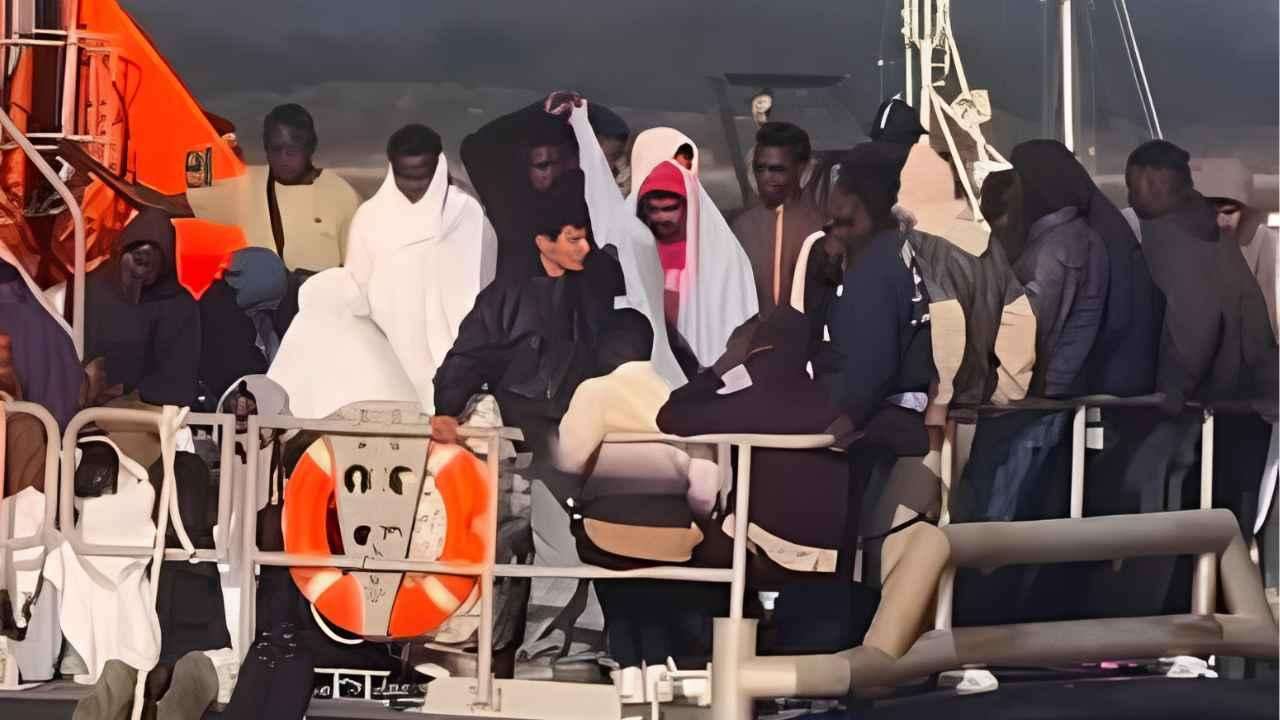
Riot police deployed pepper spray and baton shields in Portsmouth late on Sunday night after an overcrowded dinghy carrying 140 migrants completed an unprecedented crossing from Normandy to the Hampshire coast, triggering fierce clashes with hundreds of anti-immigration demonstrators. The arrival of the heavily laden craft south of the Isle of Wight marked the longest recorded transit by people-smugglers across the English Channel, prompting instantaneous unrest outside Eastney Marina. Protesters blocked transport arteries, breached containment perimeters, and confronted cordon lines before Hampshire Constabulary imposed emergency dispersal powers across the district.
The incident underscores a pronounced westward displacement of human trafficking routes in the Channel, catching regional authorities off guard and straining coastal policing resources. Smuggling operations historically concentrated around the narrow Strait of Dover have increasingly shifted toward the wider expanse of the Baie de Seine, evading reinforced shoreline patrols near Calais and Dunkirk. The vessel, which embarked from beaches east of Cherbourg, navigated more than one hundred nautical miles before intercept teams brought the passengers ashore.
Confrontations ignited within hours of two Royal National Lifeboat Institution craft guiding the intercepted passengers into Portsmouth harbour. An estimated five hundred demonstrators gathered at the solitary access road serving Eastney Marina, where Border Force officials had established a temporary reception point. Demonstrators, many attired in dark clothing, confronted tactical police units, chanting slogans and obstructing transport vehicles designated to convey the arrivals to processing facilities.
Tensions escalated as demonstrators pushed against police shields, prompting officers to administer chemical irritant sprays to repel the crowd. The containment cordon briefly buckled under pressure of numbers, allowing several individuals to enter the perimeter of the private marina compound before reinforcements secured the gates. Hampshire Constabulary subsequently issued an immediate Section 35 dispersal order across the Eastney peninsula, authorising officers to arrest any individual refusing instructions to quit the locality.
Border Force confirmed that all passengers were cleared from the pontoon and transferred under secure transport to the national reception facility at Manston in Kent for biometric verification and asylum intake procedures.
French maritime monitoring centres confirmed that the heavily overloaded inflatable was tracked intermittently across the Channel, shadowed by rescue craft following distress indicators in open waters. Officials from the French coastguard reported that overcrowding was so acute that at least thirty passengers fell or were pushed overboard into the sea during the initial stages of the crossing, requiring maritime rescue units to pull survivors from the water before the primary craft pressed north towards British waters.
The use of an extended hull to transport 140 people represents an operational pivot by trafficking networks responding to stringent intelligence-sharing arrangements along the French littoral. Daily Dazzling Dawn understands that enhanced thermal imaging, vehicular surveillance, and increased deployments of French national gendarmerie around Pas-de-Calais have created operational bottlenecks for smuggling gangs. Criminal syndicates have adapted by sourcing larger engines and commissioning higher-capacity vessels designed to traverse wider, more hazardous stretches of the western English Channel.
The arrival on Hampshire shores prompted swift interventions across the political spectrum, amplifying scrutiny of current bilateral border arrangements. Ministers condemned the disorder outside Eastney Marina, describing the confrontation with emergency workers as intolerable intimidation that went beyond legitimate public assembly. Representatives from the Home Office maintained that cross-Channel enforcement initiatives have halted tens of thousands of illegal departure attempts this year, citing multi-agency initiatives designed to intercept vessel supply lines before inflatables reach the French coastline.
Local parliamentary representatives expressed immediate concern regarding the strategic implications of the western landfall. In statements provided to journalists, constituency members for Hampshire and the Isle of Wight confirmed intentions to challenge the Home Department on whether naval and Border Force radar networks require western reallocation. Critics pointed out that while diplomatic deals continue to increase surveillance foot patrols along northern French sands, expanding transit arcs to Normandy and Brittany introduces severe maritime security challenges across an expansive search-and-rescue perimeter.