






.svg)
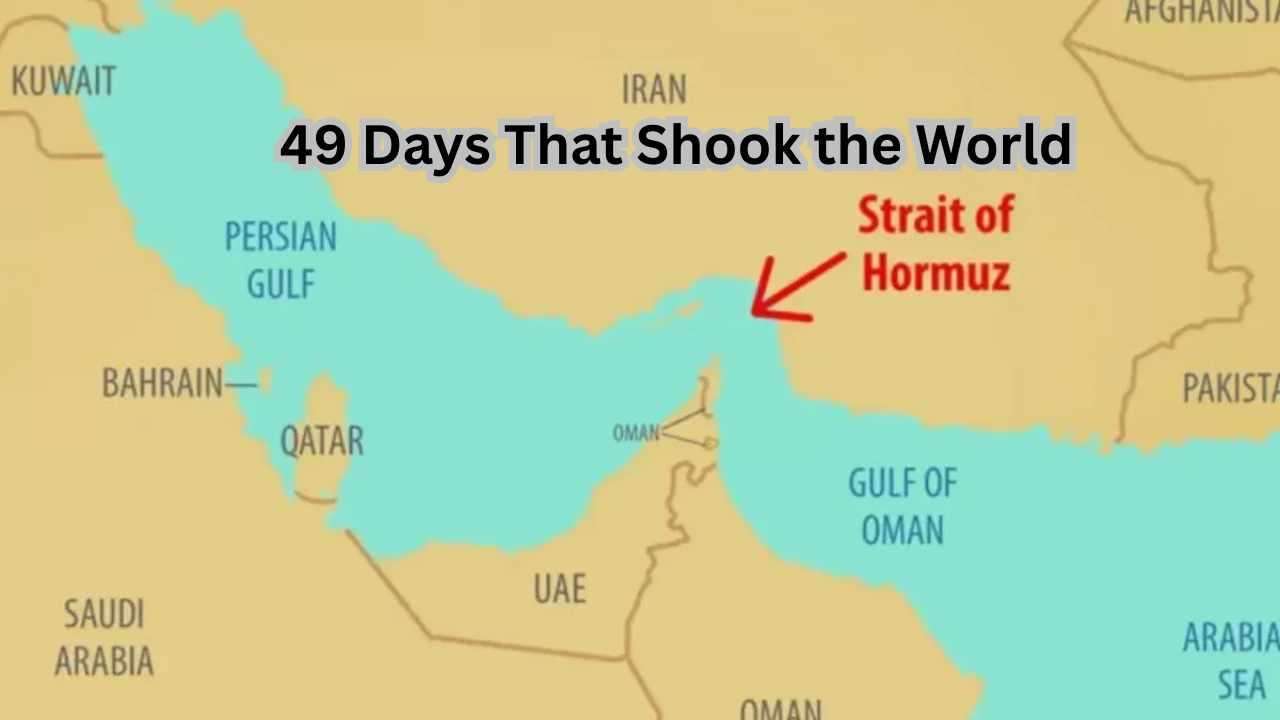
After nearly seven weeks of closure, the strategically vital Strait of Hormuz has reopened, bringing relief to global energy markets and international trade networks. The shutdown, which lasted 49 days, exposed the world’s heavy dependence on this narrow maritime corridor and triggered a series of economic and geopolitical challenges worldwide.
The strait, located between Iran and Oman, is one of the most important oil transit chokepoints in the world. During the disruption, nearly 20% of global oil shipments were affected, causing immediate instability in energy markets. Oil prices surged sharply, increasing fuel costs for consumers and businesses alike. Countries heavily reliant on imported oil faced inflationary pressure, with transportation and production costs rising significantly.
One of the most visible impacts was on global trade. Shipping routes were delayed or rerouted, leading to congestion in alternative maritime paths. This created longer delivery times and higher shipping costs, disrupting supply chains across industries—from manufacturing to food distribution. Many shipping companies were forced to suspend operations in the region due to security concerns, further tightening global logistics capacity.
The closure also heightened geopolitical tensions in the Middle East. Concerns over potential military escalation created uncertainty among investors, leading to volatility in global stock markets. Insurance premiums for vessels traveling near the Gulf region spiked, adding another layer of financial strain on international trade.
Developing nations were among the hardest hit. Rising oil prices directly affected electricity generation, transportation, and essential goods, putting additional pressure on already fragile economies. In some regions, governments had to increase subsidies or adjust budgets to cope with the sudden economic strain.
Additionally, the energy crisis pushed countries to reconsider their dependence on single-route supply chains. Several nations began exploring alternative energy sources and diversifying import routes to reduce vulnerability to such disruptions in the future.
The reopening of the Strait of Hormuz on April 17, 2026, signals a gradual return to stability. Oil shipments have resumed, and global markets are beginning to recover. Analysts believe that while the immediate crisis has eased, the long-term effects will continue to influence global energy policies and geopolitical strategies.




.jpeg)
