


.svg)
Local government strategies are increasingly under the microscope as a burgeoning network of discretionary discount schemes for benefit claimants extends far beyond essential services into the realms of luxury leisure and lifestyle. While designed to foster social inclusion, these widening concessions—ranging from cut-price beach hut rentals to discounted alcoholic beverages and aesthetic treatments—have sparked a rigorous debate regarding the fiscal priorities of local authorities and the potential for "perverse incentives" within the British welfare framework.
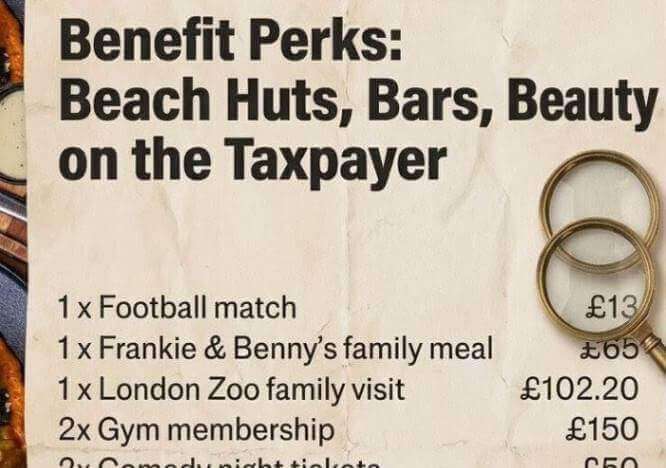
The breadth of these subsidies is most visible in coastal regions and metropolitan hubs. In certain seaside jurisdictions, local authorities have integrated beach hut rentals—a quintessential British summer luxury—into their concessionary portfolios. Eligible residents on Universal Credit or Personal Independence Payments can access these sought-after amenities at rates significantly lower than the market value paid by full-rate taxpayers. Furthermore, the scope of the "Passport to Leisure" style programs has migrated into the private sector through council-backed partnerships. This includes discounted access to bars within community hubs and cultural centres, as well as reduced rates for beauty treatments and holistic therapies in council-managed wellness facilities.
The Daily Dazzling Dawn has identified that the next phase of this controversy involves a looming audit of "hidden" subsidies. Critics argue that while the direct cost to the taxpayer is often masked by commercial partnerships, the opportunity cost remains substantial. Policy analysts suggest that when the cumulative value of these discounts is factored into a household’s "effective income," the gap between welfare dependency and entry-level employment narrows to a negligible margin. This phenomenon, often described as the "cliff edge" of the benefits system, is now being scrutinized by Whitehall officials who are monitoring how local discretionary spending might inadvertently counter-act national efforts to encourage a return to the workforce.
Concerns have been raised by social commentators who told journalists that the current trajectory of local government policy risks creating a two-tier society where those in low-paid employment are effectively locked out of leisure activities that their tax contributions are subsidising for others. These observers noted that the inclusion of non-essential services like bar discounts and grooming treatments represents a significant mission creep from the original intent of the safety net, which was primarily focused on health, education, and transport.
As the government prepares for the next fiscal statement, the focus is shifting toward a more harmonized approach to local concessions. Sources familiar with the matter suggest that a "value-for-money" directive may soon be issued to local authorities, requiring them to justify leisure-based discounts against their core statutory obligations. The upcoming parliamentary sessions are expected to address whether the autonomy of local councils in granting these perks has outpaced the national strategy for welfare reform, potentially leading to a tightening of the criteria for what constitutes a "concessionary service."
The evolving landscape suggests a pivot toward "targeted essentialism." Analysts predict that councils will face increasing pressure to redirect funds from lifestyle subsidies toward high-demand sectors such as social care and housing. The move to audit these perks marks a significant shift in the public discourse, moving away from universal accessibility toward a more stringent definition of necessity in an era of constrained public finances.