






.svg)
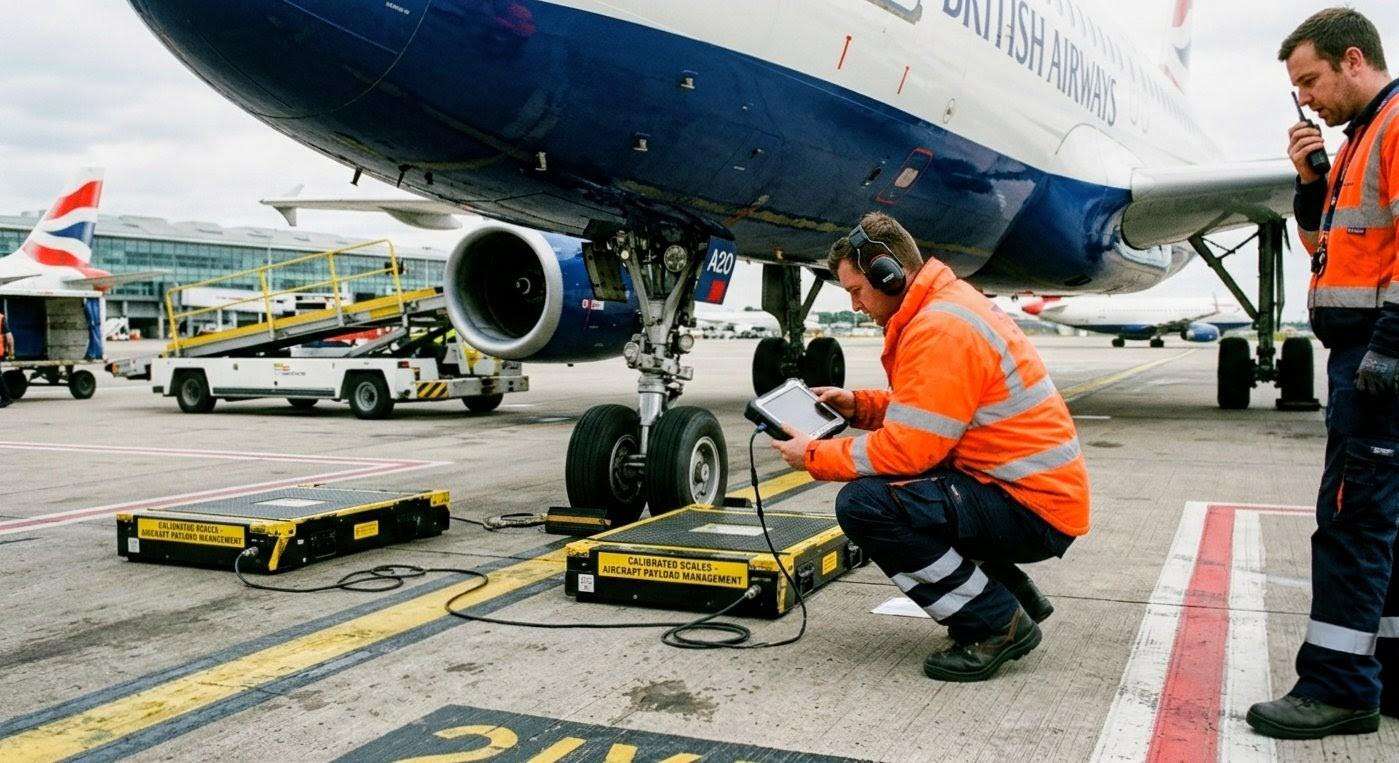
In an era of escalating fuel volatility and record-breaking thermal extremes, the global aviation industry is undergoing a quiet but fundamental transformation in how it calculates the cost of every kilogram. As of late April 2026, the traditional margin for error in aircraft weight is being replaced by AI-driven precision and radical structural shifts, as carriers face a "weightiest problem" that now threatens both profit margins and takeoff viability.
The urgency of the situation was underscored this week in *Daily Dazzling Dawn*, where industry analysts noted that the "standard passenger weight" averages used for decades are being retired in favour of real-time data. "Every extra tonne of fuel transported burns approximately 5% more fuel per hour just to carry that weight," a senior flight operations engineer told journalists. With jet fuel prices doubling year-on-year following recent geopolitical tensions in the Middle East, the financial penalty for carrying "dead weight" has become unsustainable.
The challenge is no longer just about luggage. Climate change is now a physical barrier to flight. New research published this month reveals that Euro-Mediterranean airports are seeing a significant drop in Maximum Takeoff Weight (MTOW) capacity. As air thins in extreme heat, aircraft lose lift; a wide-body jet can now lose up to 11 tonnes of payload capacity on a 40°C day. This physical reality is forcing airlines to choose between offloading cargo or bumping passengers to ensure a safe ascent.
To combat this, the industry is looking at microscopic solutions. Carriers like EasyJet have begun a fleet-wide transition to a revolutionary lightweight paint system developed by Mankiewicz. This new coating reduces the weight of an Airbus A320 by 27kg—a seemingly small figure that, when scaled across a fleet, saves over 1,200 tonnes of fuel annually. Similarly, the FAA has recently certified an "increased maximum takeoff weight" for the Boeing 787-9, allowing for more efficient ultra-long-haul routes, but only for airlines using the latest precision-loading software.
On the ground, the passenger experience is also changing. New cloud-based baggage analytics, such as SITA’s Bag Radar, are being deployed to eliminate the "ghost weight" of mishandled luggage. By 2027, several European hubs are expected to introduce digital weight-bridging, where even the potable water and catering supplies are adjusted to the exact gram based on the day’s passenger load and weather forecast.
For the traveller, the message is clear: weight is the new currency. Experts suggest that to save money, passengers should transition to "weight-minimalist" travel. Choosing airlines that operate the A321neo or Boeing 787-9 can indirectly lower costs, as these models are up to 25% more efficient. Furthermore, the industry is moving toward "SAF surcharges," where the weight of traditional fuel is increasingly penalised by environmental regulations, making light packing a financial necessity rather than a suggestion.
As the industry pivots toward a leaner future, the focus is shifting from simply "flying more" to "flying smarter." The next phase, scheduled for the 2026 winter season, will see major carriers consolidate short-haul routes to ensure that every flight departs at a 95% load factor, ensuring that no gram of fuel is wasted on empty space.



.jpg)