






.svg)
A profound ideological division has surfaced within the highest echelons of the Home Office, as Home Secretary Shabana Mahmood faces intensive internal resistance over her flagship proposals to radically restructure the path to British citizenship.
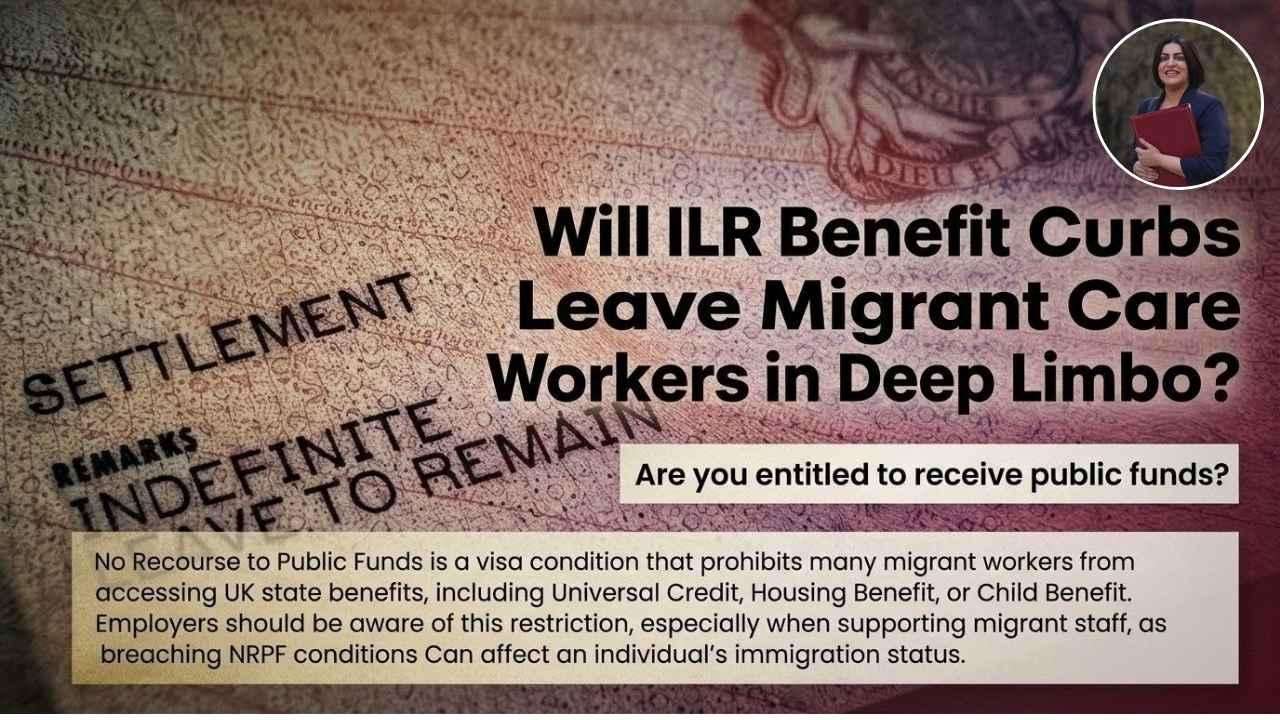
The controversy centers on a draft blueprint designed to completely reshape the framework for Indefinite Leave to Remain (ILR). Under the proposed measures, the standard qualifying period for foreign nationals to secure permanent settlement in the United Kingdom would double from five years to ten.
Beyond doubling the residency timeline, the Home Office plan introduces unprecedentedly stringent baseline criteria. To qualify for settlement, applicants will be required to maintain a completely clean criminal record, demonstrate English language proficiency to standard A-level metrics, prove continuous National Insurance contributions, and carry zero debt to the state.
Tiered Penalties and the Benefit Penalty
According to documents reviewed by Daily Dazzling Dawn, the framework establishes a tiered waiting system explicitly tied to state welfare reliance. Under these strict parameters, migrants who have relied on state benefits for less than a year will see their settlement timeline extended to 15 years.
For those with longer periods of benefit dependency, the wait for permanent status could extend to 20 years, while individuals who initially arrived in the UK via irregular routes face a prospective 30-year delay before achieving permanent residency.
The proposals have triggered immediate alarm across the healthcare sector, trade unions, and a powerful faction of backbench MPs. Critics are heavily targeting the potential retrospective application of these rules. Opponents warn that the policy effectively shifts the goalposts for hundreds of thousands of overseas workers who arrived during the post-pandemic recruitment spike, particularly those filling critical vacancies via the Health and Social Care visa route.
Internal Friction and Cabinet Pushback
The political fracture within the governing party has deepened significantly. Deputy Prime Minister Angela Rayner has privately criticized the extended timelines, characterizing the prolonged probationary periods as fundamentally un-British.
Simultaneously, a cross-departmental coalition of ministers has begun lobbying Downing Street to carve out strict exemptions for public sector employees and to safeguard existing visa holders from facing harsher retrospective requirements.
Concurrently, business groups, led by the Confederation of British Industry, have quietly warned that forcing families to endure multiple, prolonged visa extensions will cost applicants thousands of pounds in additional administrative fees and health surcharges. Industry leaders caution that the financial burden threatens the UK’s long-term ability to attract and retain highly skilled international talent.
Opposition Directs Pressure Over King’s Speech Absence
Seizing on the clear friction within the administration, Shadow Home Secretary Chris Philp suggested that internal discord is paralyzing the policy's implementation, pointing directly to its omission from the recent King’s Speech.
"Last autumn, the Home Secretary announced her new ILR plans with great fanfare and acclaim," the Shadow Home Secretary told journalists. "But in the King’s Speech, we heard nothing about it. She is evidently too terrified of backbenchers to implement her own plans."
He warned that watering down the proposed settlement reforms would open the door to millions of low-paid or unemployed immigrants from outside Europe to stay in the UK forever and gain full access to benefits. He asserted that the opposition maintains a strict plan to ensure only high-earning individuals achieve permanent residency.
The Next Steps for the Home Office
Responding to the criticisms, sources close to the Home Secretary dismissed the opposition's claims, arguing they fundamentally misunderstand how immigration policy is executed.
"Indefinite Leave to Remain changes do not require primary legislation through a Parliamentary bill," a Home Office aide told journalists, explaining why the measures did not feature in the legislative schedule. "They are introduced directly via executive amendments to the Immigration Rules."
While the public consultation on the "earned settlement" model concluded earlier this year, Whitehall officials are currently locked in intense negotiations to finalize the policy. With a formal policy statement expected before Parliament rises for the summer recess, the Home Office is widely expected to introduce a modified package. Insiders suggest the core ten-year settlement timeline will remain intact, but targeted exemptions and transitional arrangements may be introduced to appease internal critics and avoid damaging key sectors like the National Health Service.

.jpg)