






.jpg)
.svg)
The judicial conclusion of a fatal hit-and-run in Birmingham has shifted public focus toward the systemic enforcement of driving bans, following the sentencing of a perennially disqualified motorist to more than a decade in prison.
Harinderpal Athwal, 41, of Sorrel Close, Tividale, was jailed at Birmingham Crown Court for 11 years and three months. He admitted to a litany of charges, including causing death by dangerous driving and driving while disqualified, following an incident on Soho Road on 16 December 2025 that claimed the life of a 54-year-old man and left his 47-year-old wife with permanent, life-changing injuries.
While the court proceedings have concluded, legal experts and road safety advocates are now turning their attention to what happens next. The case has ignited a fierce municipal debate regarding the efficacy of court-ordered driving bans. Because Athwal was already disqualified from holding a licence at the time of the collision, local safety campaigns are expected to use this case to lobby the Ministry of Justice for stricter monitoring of banned drivers, including the mandatory use of intelligence-led police tracking for individuals with repeated motoring offences.
The mechanics of the incident itself continue to draw sharp professional analysis. Moving away from the city centre in a Vauxhall Corsa, Athwal inexplicably crossed into oncoming traffic near the Whitehall Road junction and mounted the pavement. CCTV footage later documented a highly aggravating sequence: after initially striking the couple, Athwal reversed his vehicle away from the fallen pedestrians before shifting into forward drive, striking the male victim a second time as he fled the scene.
An investigation by the Serious Collision Investigation Unit led to Athwal’s arrest within 24 hours. Despite his initial assertions to officers that he was oblivious to the fatalities, the prosecution built an unassailable evidentiary chain that forced a guilty plea.
Beyond the immediate custodial sentence, the court imposed a 20-year driving disqualification, mandating an extended retest should Athwal ever apply for reinstatement. However, the structural challenge remains: court orders alone do not physically prevent a vehicle from starting, a reality that has prompted West Midlands transport advocates to demand technological interventions, such as mandatory vehicle-immobilisation logs for banned offenders.
The human cost of this regulatory failure was laid bare in court. In a statement detailed to journalists, the victim's wife articulated the profound destabilisation of her household, noting that her husband was her emotional support and strength, managing their finances and keeping the family stable. She expressed that without him, she feels completely lost, having lost her partner, independence, and future.
Investigating officers mirrored the gravity of the systemic failure. In briefings provided to journalists, detectives described Athwal’s actions in driving away and refusing to help as cruel and heartless, demonstrating a complete disregard for human life.
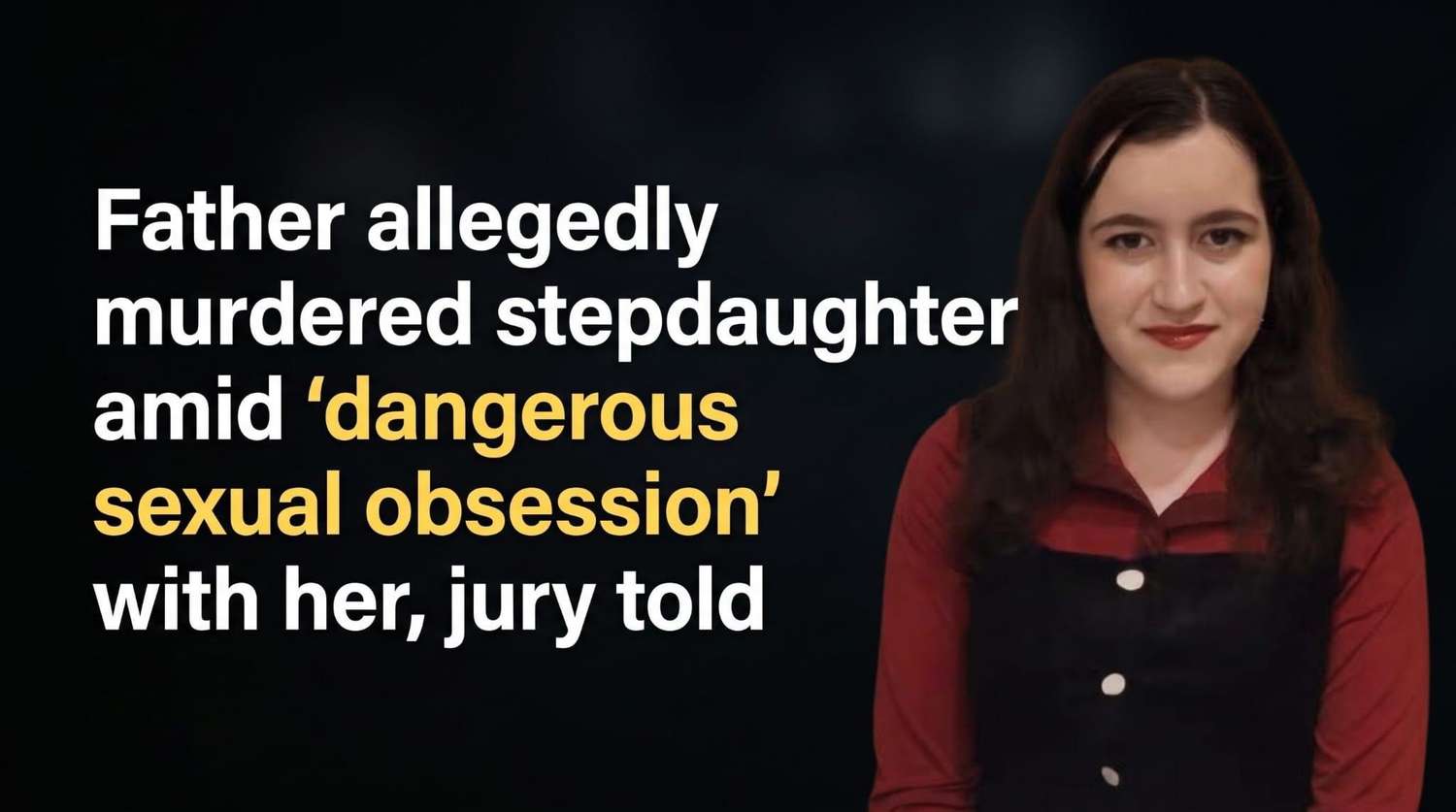
Stepfather Allegedly Murdered Student Amid Dangerous Sexual Obsession, Preston Court Hears
As published in the Daily Dazzling Dawn, the focus now firmly shifts from the past crime to future prevention. With regional authorities under pressure to reduce pedestrian casualties, this conviction is being positioned as a turning point for how the justice system tracks disqualified drivers before they can cause further harm.



.jpg)
.jpg)