






.svg)
A chilling investigative brief filed in court suggests that a double murder-suicide on the opposite side of the continent may have served as the dark catalyst for a triple domestic homicide that has stunned Australia.
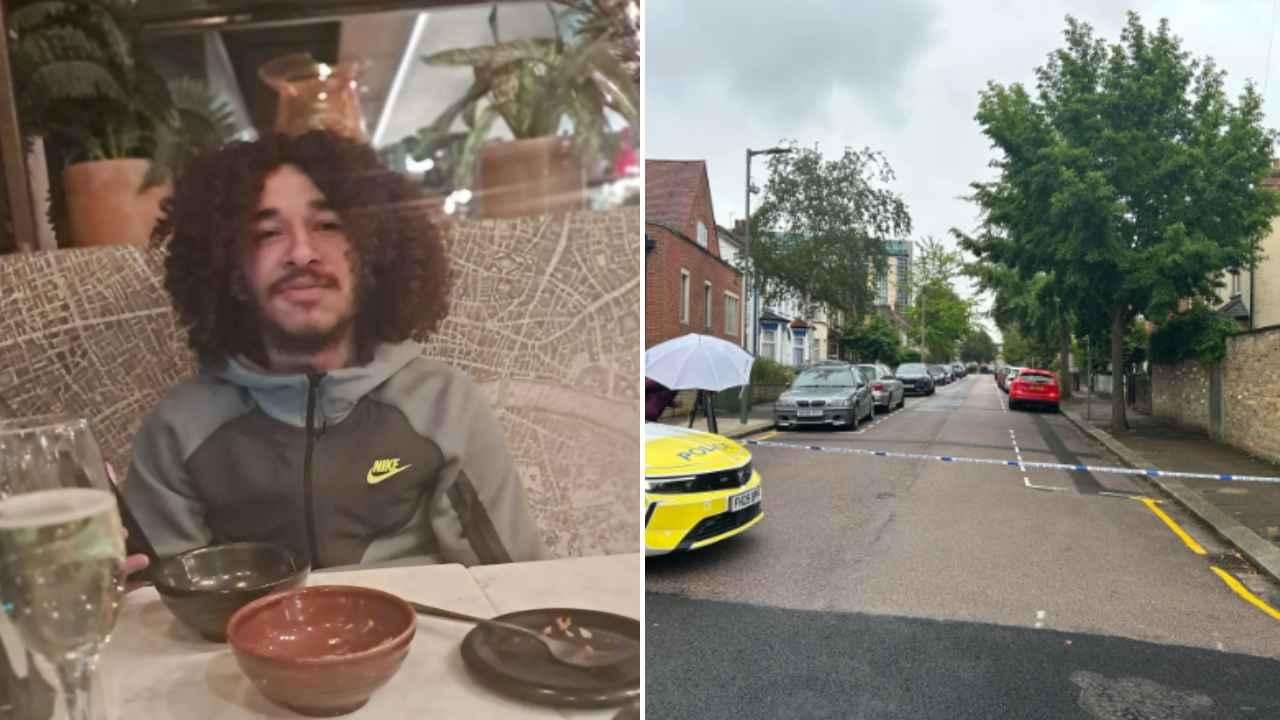
When emergency services entered a Raymond Avenue residence in the south-western Sydney suburb of Campbelltown, they discovered a scene described by police as exceptionally violent. Inside separate rooms lay the bodies of a 46-year-old woman and her two sons, aged 12 and 4. All three had suffered catastrophic, fatal injuries. A 47-year-old man, the husband of the deceased woman and father to the children, was arrested at the location without resistance.
While initial public accounts framed the tragedy as a sudden, inexplicable eruption of domestic madness, subsequent investigative findings present a far more calculated and unsettling reality. Court documents allege that the accused, a Bangladeshi national who migrated to Australia with his family a decade ago, had been systematically plotting the executions for months.
According to senior investigators, detectives are closely examining the psychological impact of a highly publicised tragedy in Western Australia earlier this year. In that case, two teenage brothers living with severe autism were killed by their parents in a desperate double murder-suicide. Police documents indicate that the Campbelltown suspect allegedly became fixated on the Perth tragedy, using it as a conceptual blueprint for his own family's destruction.
The underlying dynamics of the household reveal a stark picture of structural isolation and acute carer burden. The 46-year-old mother served as the sole financial anchor for the family, maintaining full-time employment to navigate Australia’s high cost of living. Conversely, the husband functioned as the isolated, full-time primary carer for their two young sons. Both boys suffered from profound intellectual disabilities, were diagnosed with severe autism, and were entirely non-verbal.
"My client is profoundly distressed at the moment," defence lawyer Jawad Hosain told journalists outside Campbelltown Local Court on Tuesday morning. "It is an unmitigated tragedy for the victims, the local community, and the extended family."
The intersection of severe disability care and migration creates unique vulnerabilities that experts suggest often go unnoticed until a crisis peaks. Families from culturally and linguistically diverse backgrounds frequently face severe deficits in accessing state-funded support frameworks like the National Disability Insurance Scheme (NDIS), driven by systemic language barriers, cultural stigmas surrounding mental health, and acute social isolation.
Neighbours expressed absolute bewilderment, describing the family as exceptionally polite and friendly, noting that the father routinely accepted small gifts like toys for the children. Yet, beneath this veneer of suburban normality, investigators allege a deep-seated resentment or despair had been festering, culminating in a calculated decision to end three lives rather than seek intervention.
The legal proceedings are transitioning into a protracted forensic and judicial phase. Appearing before Magistrate Don McLennan, the accused did not apply for bail, which was formally refused. Legal representatives have indicated that comprehensive psychiatric evaluations will be commissioned to determine whether a hidden cognitive decline or severe clinical depression compromised the man's mental capacity, though police explicitly noted he had no prior history of mental health treatment or domestic violence interventions.
The case has also amplified political pressure on state leadership regarding the chronic underfunding of frontline prevention systems. New South Wales Premier Chris Minns expressed deep devastation, acknowledging that despite aggressive police operations targeting repeat domestic offenders, hidden insular crises remain frustratingly difficult to intercept before they turn fatal.
The matter has been adjourned until mid-July, when the accused is expected to appear via audio-visual link from a maximum-security correctional facility. Forensics units continue to parse the Raymond Avenue home, where multiple items, including a kitchen knife believed to be the primary weapon, have been secured for DNA sequencing. This developing investigative file will be updated continuously by Daily Dazzling Dawn as fresh judicial submissions are unsealed.
The Catalyst of Convergent Tragedies
Criminologists frequently warn of "cluster effects" or copycat dynamics within highly specific demographics experiencing similar extreme stressors. The allegation that a parallel tragedy in Perth functioned as an ideological trigger suggests that the accused may have internalised that event not as a warning, but as a permissive rationale for violence. Investigators are meticulously combing through the family's digital devices and internet search histories to trace the exact timeline of when this fixation manifested into concrete planning.
Systemic Carer Isolation and Judicial Safeguards
The strict sub-judice laws governing the New South Wales justice system dictate that the accused must be presumed innocent until proven guilty in a court of law. However, the structural realities of the case—an insular migrant household managing two high-needs, non-verbal children with a single income—highlight a critical gap in community-level oversight. Because the family had no prior contact with law enforcement, they remained entirely off the radar of domestic violence prevention networks, raising urgent questions about how society monitors the welfare of isolated carers.

_1.jpg)