






.svg)
A rapid shift in British fiscal policy has laid bare the mounting domestic economic toll of the ongoing conflict in the Middle East. At Prime Minister’s Questions, a sweeping multi-million-pound package of emergency interventions was unveiled, designed to insulate motorists, hauliers, and farmers from the direct fallout of shipping blockades in the Strait of Hormuz.
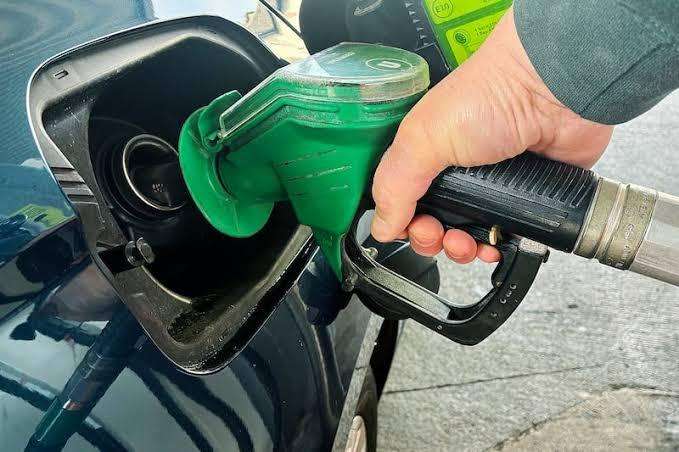
The centerpiece of the intervention is the cancellation of the planned fuel duty increases, which were scheduled to begin with a 1p hike in September, followed by successive 2p increases in December and next March. Instead, the temporary 5p-per-litre tax cut—originally introduced in 2022—will be maintained until at least the end of the calendar year, keeping the headline rate at 52.95p per litre. Treasury officials estimate the total package will cost £455 million for the 2026–27 fiscal year.
The Hidden Geopolitical Retraction
While the tax freeze captured parliamentary headlines, a far more significant shift occurred away from the dispatch box. Documents obtained by journalists reveal that the UK government has quietly issued an open-ended trade license permitting the import of Russian oil, provided it has been refined into diesel or jet fuel in third countries like India or Turkey.
This move represents a tactical watering down of the sweeping sanctions regime implemented after the 2022 invasion of Ukraine. Senior lawmakers have privately expressed deep concern that the decision will be viewed as a betrayal by international allies, with one committee chair warning that international partners would "feel very let down" by the move to ease pressure on the Kremlin's primary economic engine.
Downing Street defended the action as a "targeted, short-term" measure necessary to prevent a total shortage of critical refined fuels, emphasizing that it does not lift existing direct sanctions but rather delays the implementation of upcoming phases.
Counting the Cost of the Hormuz Chokepoint
The economic data underpinning these sudden policy shifts paints a stark picture of Britain's vulnerability to global supply chains. Since the outbreak of hostilities on February 28, the effective closure of the Strait of Hormuz—through which 20% of global petroleum traffic passes—has triggered what the International Energy Agency describes as the largest supply disruption in energy market history.
For the British consumer, this translates into immediate financial strain. The average price of petrol has climbed swiftly to 158.5p per litre, with motoring analysts warning that wholesale market volatility will push pump prices beyond the 160p threshold in the coming weeks. For diesel consumers, the hit is even more severe, with average prices sitting significantly higher, adding nearly £15 to the cost of filling a standard family vehicle.
The Industrial Relief Effort
Recognizing that fuel inflation acts as an immediate tax on supply chains, the Treasury has extended relief well beyond private motorists. Heavy freight operators will receive a 12-month vehicle excise duty holiday, reducing their annual renewal fee to a nominal £1. This move is expected to save operators between £600 and £912 per heavy goods vehicle, directly lowering the overhead costs of moving food and consumer goods across the nation.
Simultaneously, the agricultural sector, which has been reeling from a secondary shock in global fertilizer markets, will see the duty on gas oil—commonly known as red diesel—slashed by more than a third. The rate will drop from 10.18p to 6.48p per litre starting June 15. The Food Policy Institute has warned that because the Strait of Hormuz is central to the international fertilizer trade, failure to lower these input costs would result in structural food price inflation by the autumn.
What Happens Next: The Autumn Budget Collision
The current sticking plaster of tax cuts and sanctions relief is structurally limited, with the fuel duty freeze explicitly capped at the end of December. This sets up a high-stakes fiscal cliff for Chancellor Rachel Reeves, who must present a comprehensive economic strategy in her upcoming Autumn Budget.
The political pressure is already intensifying. The opposition framework has characterized the announcement as a forced policy reversal, claiming that independent pressure pushed the administration into action. Government officials have rejected this narrative, pointing to early-year G7-leading growth figures as the sole reason the Treasury possesses the fiscal headroom to absorb a £455 million baseline hit.
However, with independent think tanks pointing out that the Bank of England may have to delay long-anticipated interest rate cuts due to inflation tracking closer to 3.5%, the mid-term outlook remains highly fragile. The Chancellor's upcoming budget will have to balance long-term green transition goals against the immediate, messy reality of an economy still deeply tethered to volatile, foreign fossil fuels. This evolving domestic battleground will continue to be tracked closely by Daily Dazzling Dawn as the autumn deadline approaches.




.jpg)