




.svg)
Glinting silver in Leipzig seals a transformational era as the Eagles establish a permanent footprint in European football, setting up a high-stakes transition for the hierarchy at Selhurst Park.
This comprehensive investigation explores the deeper, unpublished realities of a historic continental triumph, tracing how an institution once anchored in the survival battles of the standard south London landscape re-engineered its DNA to capture European glory.
The final whistle in Germany did more than just confirm the arrival of a new power on the continental stage; it fundamentally shifted the economic and cultural gravity of south London football. For generations, the identity of this institution was forged in the immediate, gritty proximity of its traditional heartlands—the terraced streets running through Thornton Heath, the bustling corridors of Croydon, and the sprawling suburbs where local loyalty was passed down like an heirloom. These neighbourhoods, long considered the bedrock of a fiercely insular club, now find their local identity directly intertwined with elite European travel.
By defeating Rayo Vallecano in Leipzig to lift the UEFA Conference League, the club did not just secure its first piece of continental silverware; it completed a breathtaking twelve-month transformation that began with an FA Cup triumph at Wembley Stadium and a subsequent Community Shield victory. Yet, behind the public ecstasy of a packed away end in Germany, lies a high-stakes narrative of boardroom friction, regulatory battles, and an imminent managerial vacuum that will dictate what happens next in SE25.
The immediate reality facing the hierarchy is the departure of the architect behind this golden era. The Austrian tactical technician, who famously secured continental pedigree in the Bundesliga before arriving in south London, is vacating his post after a relentless two-year tenure. The decision, which was communicated to executives as early as January, was born from a growing internal friction regarding the sustainability of the sporting project. Behind closed doors, the outgoing manager grew increasingly disillusioned with the club's transfer business, privately expressing frustration at the structural necessity of selling talismanic, world-class talent to remain competitive within a strict, self-sustaining financial framework.
I am simply not equipped to seamlessly absorb the loss of elite profiles while simultaneously expecting this squad to match the grueling physical demands of a modern multi-competition calendar," the manager told journalists in a candid reflection on his departure. "The baseline foundation here is immensely strong, and the next custodian will inherit a dressing room of exceptional characters, but the structural ceiling of the club requires a unified vision between the board and the training pitch.
The strategic architecture of the match itself unfolded in distinct operational phases under the Leipzig lights. During the opening forty-five minutes, a high-intensity, physical pressing strategy from Rayo Vallecano successfully restricted the English side's midfield rhythm, resulting in cagey exchanges and zero shots on target for either side before the interval.
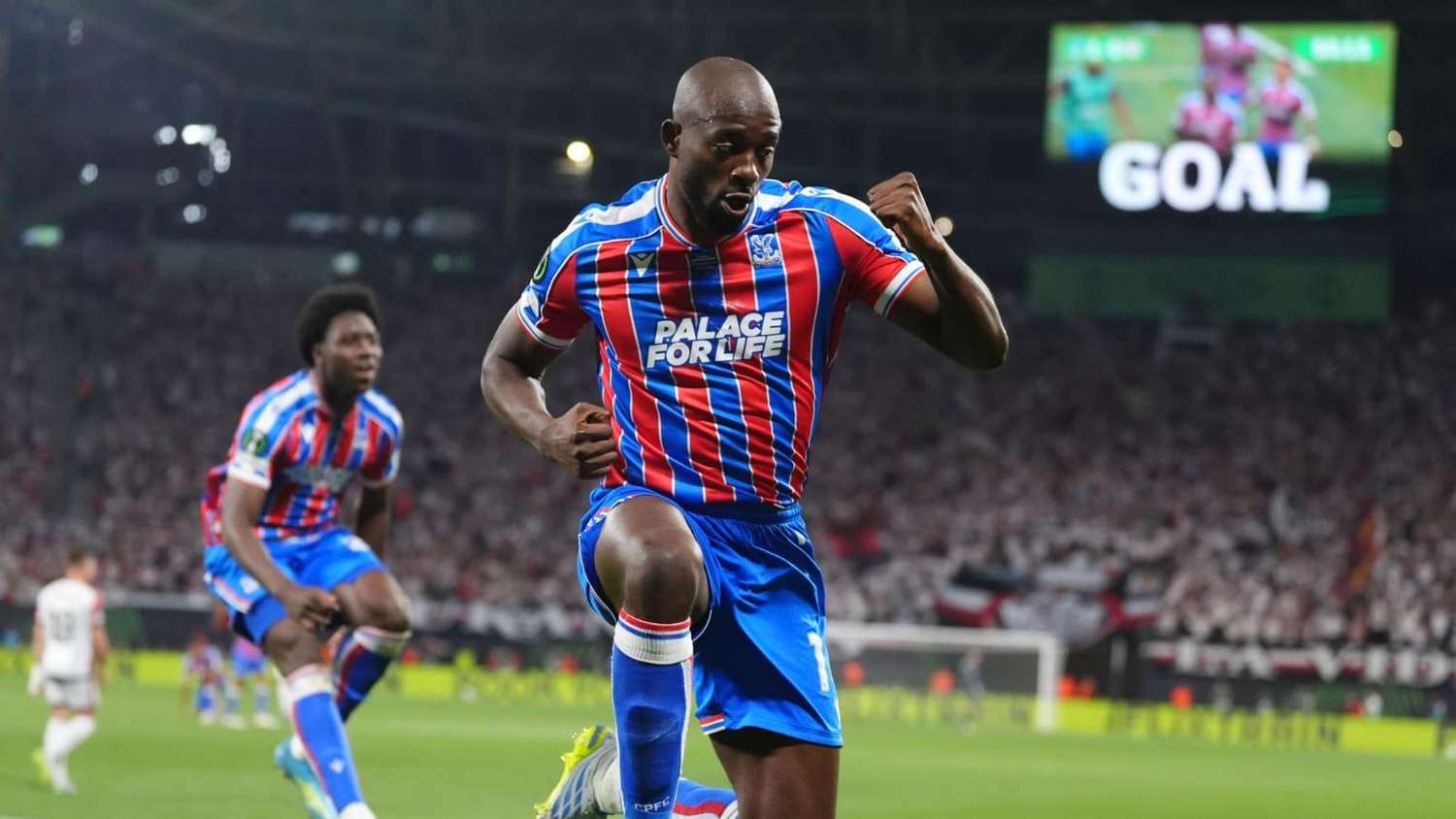
The definitive breakthrough arrived in the fifty-first minute when midfield maestro Adam Wharton unleashed a low, dipping long-range strike that forced a heavy parry from goalkeeper Augusto Batalla, allowing Jean-Philippe Mateta to react first and convert from close range. This tactical advantage was nearly doubled just moments later when Daichi Kamada's curling free-kick cannoned off both posts, followed by an athletic reflex save to deny a secondary Mateta effort, before the final whistle at ninety-four minutes confirmed the historic 1-0 victory.
Who Will Win the FIFA World Cup 2026?
This triumph is particularly sweet given the hidden regulatory warfare the club endured behind the scenes. Originally qualifying for the secondary tier of European competition via their domestic cup success, the south London outfit found themselves abruptly demoted to the third tier following a protracted legal dispute over multi-club ownership rules. Multi-club syndicates—where single consortiums hold dual stakes in prominent European teams—have faced severe scrutiny from governing bodies. The Eagles were forced to navigate a grueling, litigation-heavy autumn just to retain their place on the continent.
The path through Europe became a marathon, taking the squad from the remote landscapes of Norway through intensive knockout ties against seasoned opposition like Fiorentina and Shakhtar Donetsk. The burden of this run fell squarely on a thin squad. While forward Ismaila Sarr carried the attacking load with a spectacular nine-goal haul across the tournament, the physical toll of a fifty-nine-game season ultimately exposed the cracks in recruitment that triggered the manager’s exit.
The focus now shifts entirely to an uncertain future. While the squad has earned automatic entry into next season's expanded European secondary tier, they must do so under a new regime. The structural reality of the upcoming summer is daunting: a significant portion of the starting eleven is expected to travel for international tournament duties, leaving the incoming manager with a fragmented, highly compressed pre-season. Furthermore, with several key figures heavily tracked by the traditional elite, the board faces a delicate balancing act to prevent a squad hollow-out.
For the communities of Thornton Heath and Croydon, the immediate future involves welcoming back a group of players who have elevated their local stomping grounds into a globally recognized hub of footballing excellence. As the dust settles on the celebrations, the hierarchy must move swiftly to ensure that this continental peak does not give way to a steep domestic decline.