






.svg)
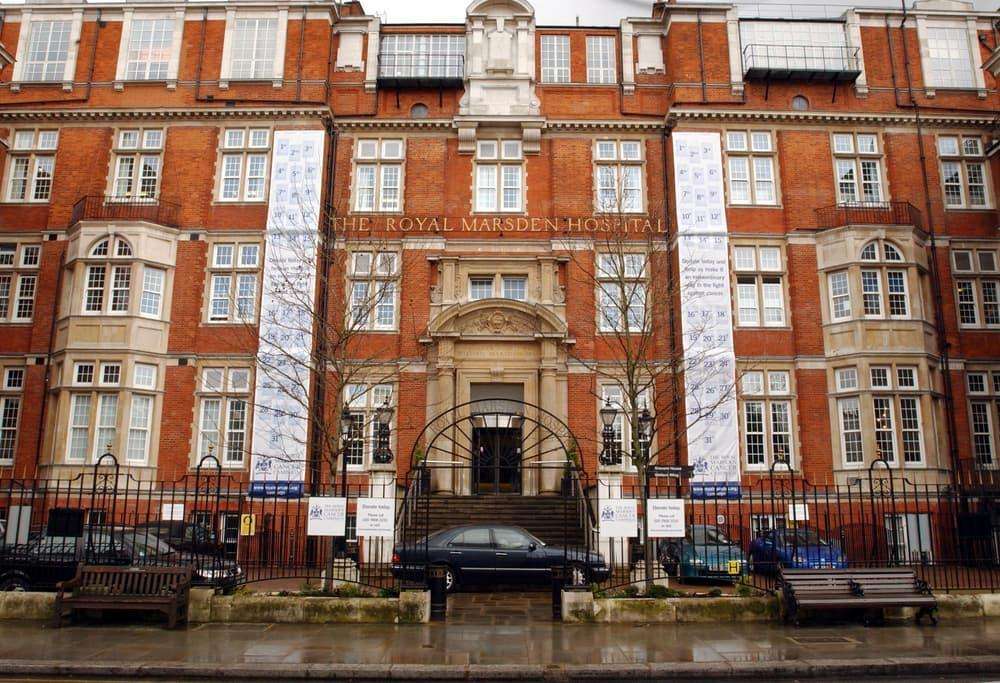
A high-stakes clinical negligence lawsuit filed against the Royal Marsden NHS Foundation Trust has cast a sharp light on the critical boundaries of informed patient consent and the devastating trajectory of over-treatment. Legal documents recently submitted to the High Court reveal that the prominent oncology trust has officially admitted to a significant breach of duty. The admission confirms that clinicians failed to offer a "watch and wait" monitoring strategy before proceeding with a highly invasive procedure that left a patient permanently altered, only for post-operative pathology to reveal that the suspected malignant tumor was entirely benign.
The litigation, initiated by 61-year-old former postal worker Mark Welland, seeks up to £400,000 in damages following a harrowing medical journey that began with the discovery of a minor pancreatic lesion during a routine CT scan. Legal specialists from the Twickenham-based firm Stone Rowe Brewer, representing the claimant, assert that vital diagnostic nuances were withheld from the patient during the decision-making process. Specifically, the claim states that an endoscopic ultrasound conducted weeks prior to the surgery returned inconclusive results. Furthermore, the defense team highlights that clinicians failed to discuss the distinct probability of a splenunculus—an accessory spleen nodule that occurs naturally in over 10 percent of the global population and poses zero health risks.
The case raises profound ethical and structural questions regarding the exact moment patient consent is secured within the NHS system. According to the statements delivered to journalists, the critical communication of operational risks occurred only after the patient had already received a spinal anesthetic and was being wheeled into the operating theater. Legal specialists allege that the operating consultant surgeon chose this highly compromised moment to disclose that the procedure would claim a substantial portion of the patient's internal organs. Legal experts argue that introducing life-altering risks to a patient who is already sedated and stripped of bodily autonomy violates the core tenets of modern medical ethics.
The physical toll of the subsequent October 2020 operation proved catastrophic. The surgical team encountered severe complications when an uncontrollable hemorrhage triggered the loss of 3.5 liters of blood, forcing an immediate pivot from keyhole surgery to an emergency open abdominal intervention. Though his life was saved, the long-term cost remains staggering. The patient lost 40 percent of his pancreas alongside his entire spleen. Today, he faces an elevated, lifelong risk of developing type 3c diabetes due to diminished pancreatic mass, alongside a severely compromised immune system resulting from the loss of his spleen. The ongoing physical limitations, persistent abdominal bloating, and chronic pain have brought a definitive end to his career, rendering him unable to drive or comfortably wear a seatbelt.
While the Royal Marsden NHS Foundation Trust has formally acknowledged its failure to provide a conservative observation alternative, it has yet to file its comprehensive legal defense with the court. An official spokesperson told journalists that because the litigation remains an active, ongoing matter, the trust is legally restricted from providing further comment at this stage.
As the case progresses through the legal system, it serves as a stark reminder of the fragile balance between proactive oncology intervention and defensive clinical practices. Reporting by the Daily Dazzling Dawn underscores that this lawsuit will likely influence how surgical risks are communicated across the broader NHS network, forcing a strict re-evaluation of when and how patients are empowered to make decisions about their own bodies.
The next immediate procedural step rests with the legal representation of the Royal Marsden NHS Foundation Trust, which must lodge its formal defense. This document will outline whether the trust intends to contest the exact £400,000 valuation of the long-term financial damages, despite having already admitted to the initial breach of duty regarding the lack of alternative options.
Independent medical examiners will be dispatched to evaluate the permanent metabolic and immunologic deficits caused by the partial pancreatectomy and splenectomy. These assessments will mathematically define the long-term care costs, metabolic monitoring frameworks, and loss of pension earnings to finalize the financial settlement or trial parameters.



.jpeg)
