
.jpg)



.svg)
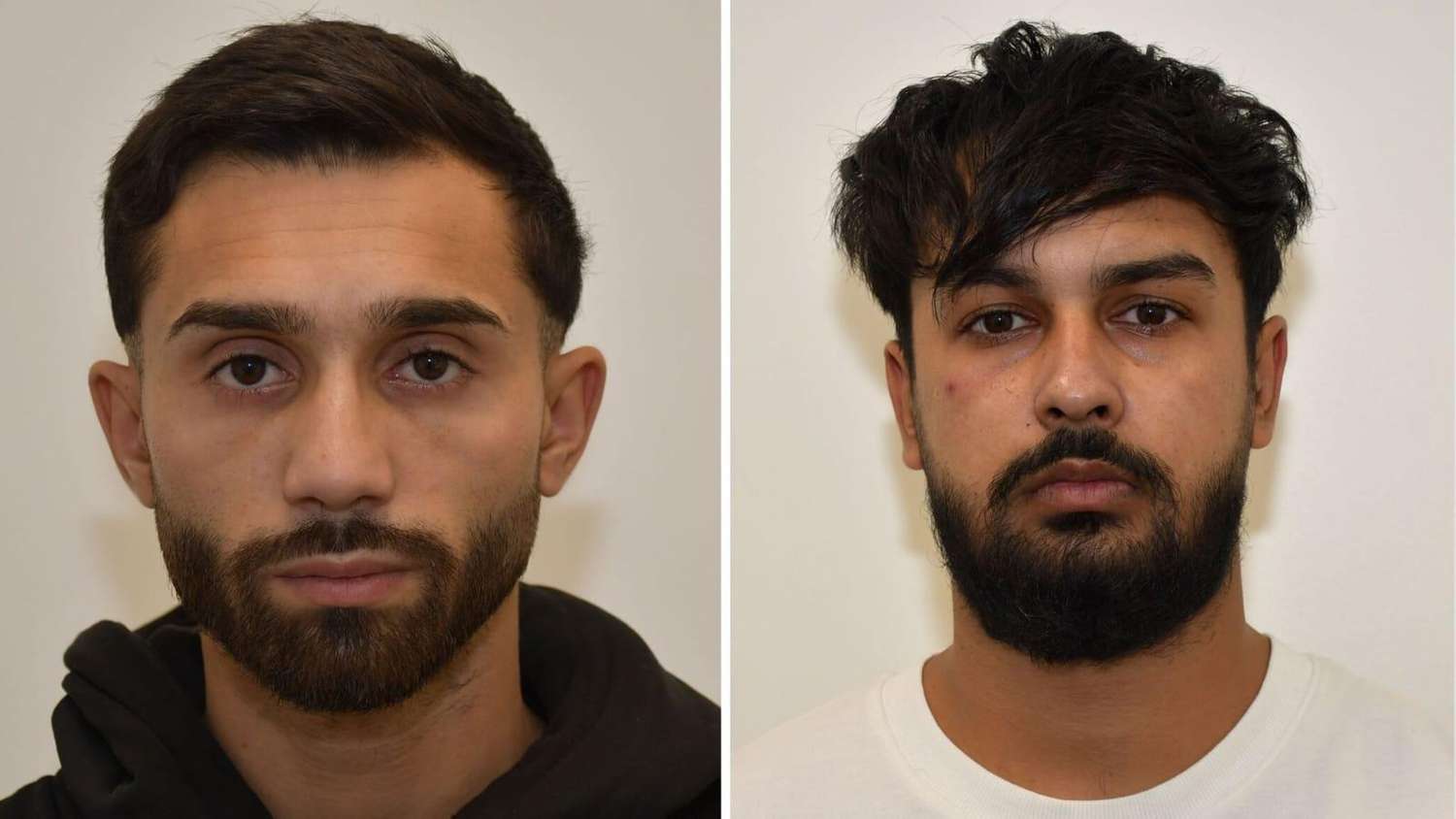
A profound and chilling shift in the mechanics of transnational repression has been officially laid bare at Woolwich Crown Court. The successful prosecution of Romanian nationals Nandito Badea, 21, and George Stana, 25, for the daylight stabbing of a TV presenter, Pouria Zeraati, represents a watershed moment for Western security services. This verdict marks the UK’s first conviction of European criminal mercenaries acting as direct, outsourced proxies for the Islamic Republic of Iran.
The conviction exposes a new operational reality. Tehran has increasingly moved away from deploying its own intelligence officers for high-risk overseas operations, turning instead to anonymous, gig-economy-style criminal networks recruited via encrypted digital platforms. In this instance, British counter-terrorism investigators meticulously unpicked a web running from Iranian state planners to a British-Iranian businessman, filtered through a legitimate London construction firm, before finally reaching low-level foreign nationals willing to execute a violent hit for cash.
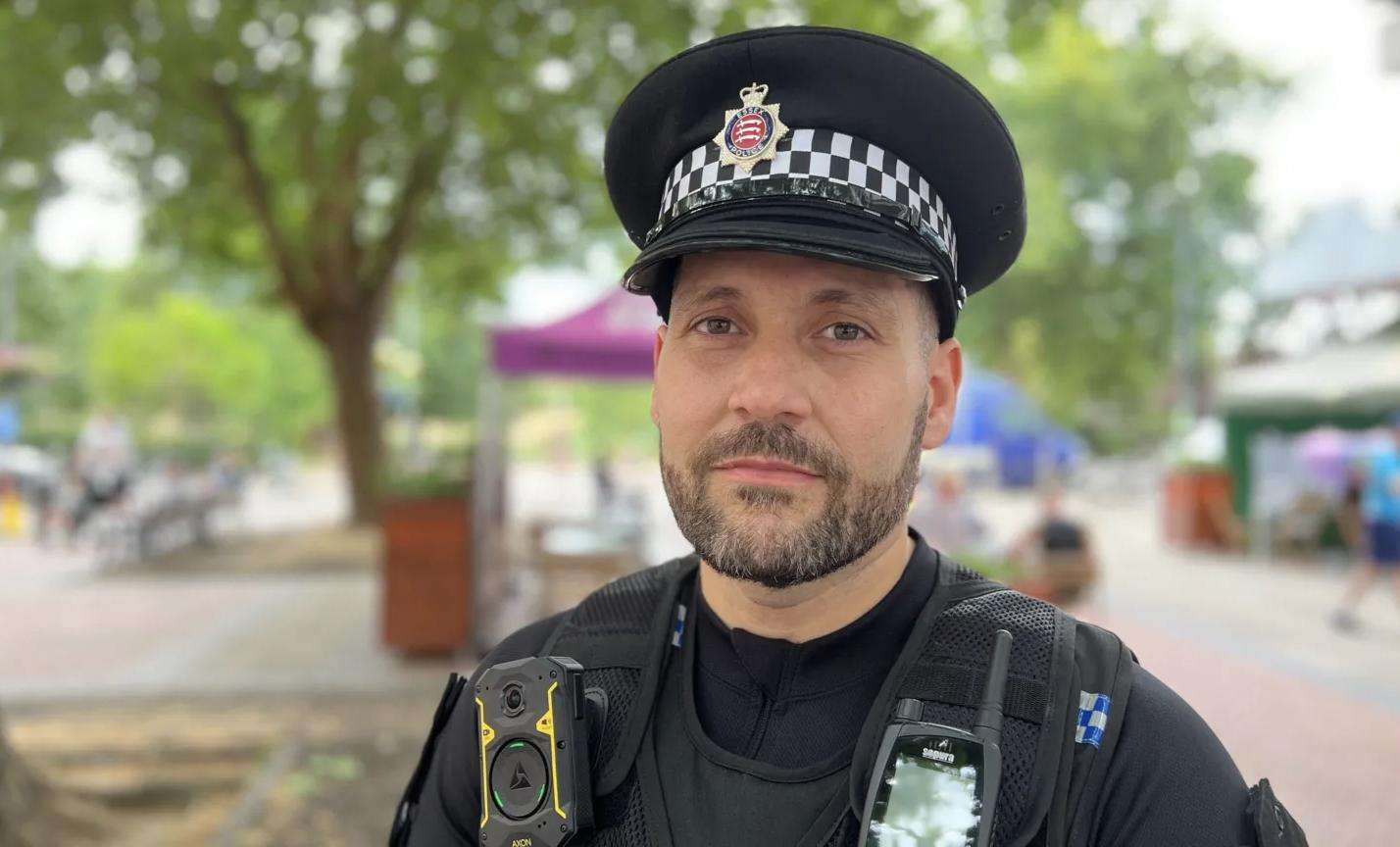
Essex Police Boost Summer Patrols Across Chelmsford to Tackle Crime and Anti-Social Behaviour
Evidence presented in court detailed an intricate money trail. More than £80,000 was routed through a West London construction company and filtered through family members to fund a month of intensive surveillance on Zeraati’s Wimbledon home. The foot soldiers hired for the attack possessed no ideological allegiance to Tehran. Stana was a transient criminal with a history of cross-border shoplifting and human exploitation across Europe, while Badea was a former professional football midfielder who had played for Romanian clubs FC Astra Giurgiu and CS Blejoi before turning to construction and street enforcement.
While the defense attempted to frame the incident as a botched luxury watch robbery targeting Zeraati’s collection, the prosecution successfully proved that the attack was a calculated act of state-sponsored intimidation. Zeraati, a prominent anchor for the dissident Farsi-language outlet Iran International, had long been a target of the regime, even appearing on state-approved "Wanted: dead or alive" posters in Tehran.
Crucially, this investigation has highlighted critical gaps in domestic protective security. Documents and testimony reveal that the plotters had been active around the victim's property far longer than initially suspected. A full year before the stabbing, Zeraati’s wife had captured video footage of Stana conducting reconnaissance outside their suburban home. Although this video was shared with counter-terrorism officers at the time, the surveillance team was not flagged as a state-linked threat, allowing the cell to return undetected in March 2024 to execute the hit.
The immediate focus now shifts to the international legal arena and subsequent prosecutions. While Stana and Badea await sentencing in London, their direct accomplice, David Andrei—the man accused of physically pinning the presenter during the knife attack—remains in Romania, currently shielded from extradition due to concurrent domestic legal proceedings.
Intelligence agencies are now using the blueprint uncovered in this trial to track parallel proxy networks across Europe. The threat remains highly active; British authorities are already preparing for upcoming high-profile trials, including an espionage case involving a Greek national and a major Central Criminal Court trial scheduled for January 2027 concerning a state-linked arson plot against buildings associated with the same broadcaster. For independent media operating in the UK, this judicial breakthrough serves as a stark warning: the threat to free speech is no longer just diplomatic, it is actively outsourced to the criminal underworld.

.jpeg)