





.svg)
A dramatic diplomatic breakthrough has shifted the trajectory of the Middle East conflict as mediation spearheaded by Pakistan successfully secured a unified text for a proposed peace accord. Independent verification from high-ranking international sources confirms that the critical text of the Islamabad Memorandum of Understanding was personally drafted by Pakistani Army Chief Field Marshal Syed Asim Munir during an exhaustive campaign of private electronic shuttle diplomacy connecting Washington and Tehran. Despite a flurry of contradictory public briefings and domestic posturing from both capitals, Pakistani Prime Minister Shehbaz Sharif confirmed directly to journalists that a final, agreed-upon framework has indeed been achieved, declaring that peace has never been this close as the nation works to guide both parties through the immediate next steps.
The emerging diplomatic blueprint focuses on a performance-based mechanism designed to systematically de-escalate the theatre of war and fundamentally reshape regional security. Senior Western administration officials disclosed to journalists that the core of the accord mandates the total, verifiable on-site dismantling of Iran’s nuclear infrastructure and the extraction of its highly enriched uranium stockpiles under a stringent international inspection regime. In immediate tactical terms, the initial phase of the agreement enforces the lifting of current naval blockades to fully reopen the strategic Strait of Hormuz, an announcement that instantly triggered a sharp decline in global Brent crude oil prices to levels not seen since the outbreak of hostilities.
Deep structural contradictions remain visible between the public statements of the negotiating parties as they transition toward potential implementation. Leaks distributed via clerical and military channels in Tehran have insisted that Iranian territorial sovereignty over the shipping lanes remains legally uncompromised and that a three hundred billion dollar reconstruction fund is guaranteed, while further demanding that the agreement establish an immediate, comprehensive ceasefire across all active fronts, including Lebanon. Conversely, the US Vice President pushed back firmly against these domestic Iranian narratives, clarifying to journalists that Tehran will receive zero cash or upfront asset releases merely for attending a summit or signing a document, emphasizing that tangible economic benefits will flow exclusively after verified compliance with all performance milestones.
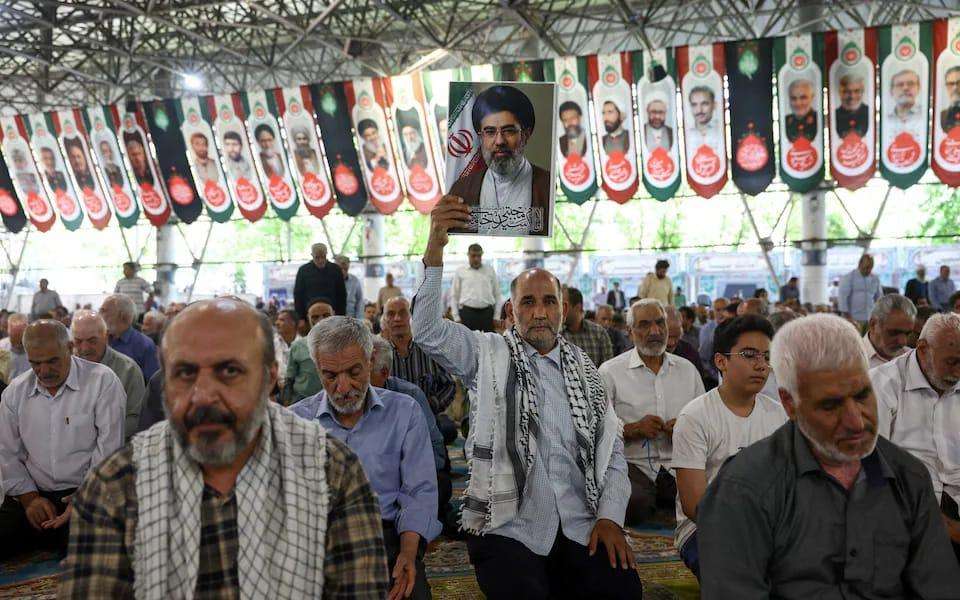
The domestic political landscape in Tehran has fractured openly over the concessions embedded within the text, presenting a significant hurdle for the next phase of the process. Hardline legislative figures and members of the national security committee have publicly denounced the draft framework as an ambiguity-ridden threat to national interests, specifically challenging the lack of explicit transit tolls in international shipping lanes. While the Iranian Foreign Ministry maintained to journalists that its foundational principles have remained constant, influential clerical leaders have counter-claimed that no accord can carry legal validity without a direct signature from the Supreme Leader, a maneuver designed to establish an institutional veto over the civilian government's diplomatic team.
The focus now shifts directly to the operational execution of the framework over the coming days, with a technical negotiation window slated to last sixty days once the memorandum is formally executed. While European diplomatic venues have extended tentative offers to host an official signing ceremony as early as this weekend, negotiators must first reconcile the profound interpretative gaps regarding financial sequencing and verification protocols. This investigative reporting by Daily Dazzling Dawn underscores that while the structural architecture of the peace path has been successfully built through Pakistani diplomatic channels, the ultimate viability of the accord rests entirely on whether both leaderships can survive the intense domestic blowback triggered by their written commitments.

.jpeg)


.jpg)
.jpg)

.jpg)