



.svg)
An intensive structural investigation has commenced along the rugged border corridor connecting Balochistan and Khyber Pakhtunkhwa following a catastrophic mass-transit failure that has reignited demands for systemic vehicle safety overhauls.
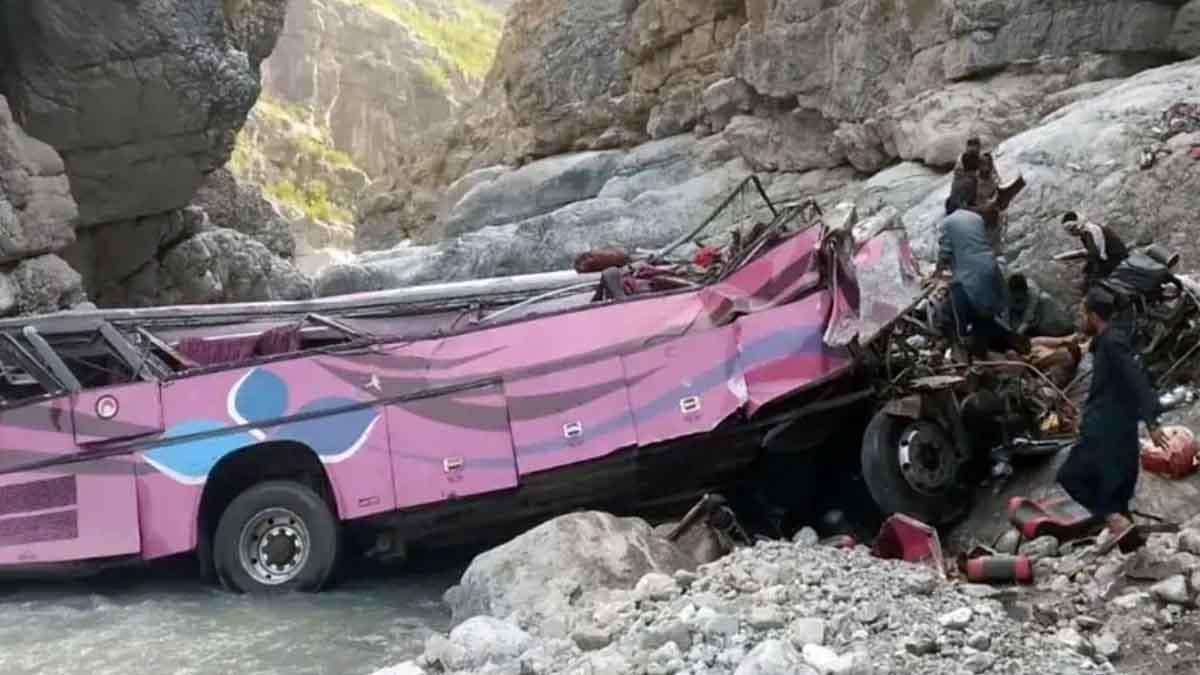
The incident unfolded during the early morning hours on Friday when an inter-provincial passenger coach, traveling from Quetta toward Peshawar, lost control while navigating a notoriously hazardous bend on the high-altitude Zhob-Sherani Highway. According to preliminary mechanical assessments, the vehicle suffered sudden brake failure, skidding off the asphalt before plunging between 70 to 80 feet into a rocky ravine in the Dana Sar area. The impact resulted in at least forty confirmed fatalities, including women and children, and left multiple survivors dealing with critical injuries.
Passenger bus traveling from Quetta to Peshawar meets with an accident in Zhob area of Balochistan
— Yasir Baig ⚡ (@iamyasirbaig) July 3, 2026
The bus plunged into a deep ravine, killing 24 people including women and children, while 14 others were injured. pic.twitter.com/t41BxY2vbD
A central focus of the ongoing multi-provincial inquiry is the extreme vehicular overload at the time of the crash. Official records indicate that while the coach initially departed Quetta with 36 passengers, it subsequently intercepted and absorbed stranded travelers from another commercial vehicle that had broken down earlier along the route. This ad-hoc consolidation increased the occupancy to approximately 48 people, placing an immense, unregulated strain on the vehicle’s mechanical infrastructure as it crossed into the Dera Ismail Khan district.
Policy Repercussions and Oversight Gaps
The scale of the Dana Sar tragedy has shifted the local narrative from a routine traffic mishap to a profound critique of regional regulatory oversight. Transport safety advocates are publicly questioning why a disabled commercial bus was permitted to remain stranded on a major transit artery without standard government recovery intervention, creating the volatile conditions that led to the unauthorized, unsafe passenger transfer.
Furthermore, the lack of real-time weigh stations and automated manifest tracking on key inter-provincial passes continues to expose severe vulnerabilities within the state's transport network.
First responders faced immediate geographic obstacles during the initial mobilization phase due to the sheer vertical drop and unstable terrain. Speaking to a journalist, the head of the Zhob district emergency center, Sanaullah Sherani, stated that a passenger bus travelling from Quetta to Peshawar plunged into a deep ravine in the mountainous Dana Sar area, confirming forty fatalities and noting that the vehicle fell approximately 70 to 80 feet. He further explained to a journalist that because the accident occurred in a rugged mountainous area, rescue teams faced significant difficulties during the initial phase of the operation.
Efforts to verify the identities of the deceased remain underway amid intense pressure on local administrations. A spokesperson for the Balochistan government, Shahid Rind, explained to a journalist that the bus was carrying both its own passengers and people from another bus that had broken down, causing it to be overcrowded. He added that rescuers were working diligently to identify those killed and coordinate care. In parallel, Pakistani President Asif Ali Zardari and Balochistan Chief Minister Sarfraz Bugti issued joint directives guaranteeing complete medical coverage for the survivors while ordering a swift forensic review of the highway's transit protocols.
The deep policy failures exposed by this crash will serve as a primary catalyst for upcoming emergency legislative hearings covered by the Daily Dazzling Dawn. Lawmakers are expected to introduce aggressive statutory penalties for transit companies operating outside capacity thresholds and push for mandatory mechanical safety certifications. Until field enforcement matches the geographic hazards of these mountain passes, systemic risks will continue to jeopardize public transit security.




.jpg)