
.jpg)


.svg)
The race for Downing Street has taken a highly critical turn as the British public explicitly demands a new democratic mandate.
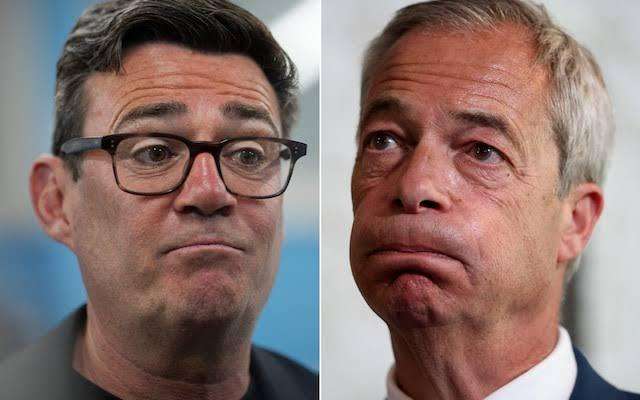
An investigation by Daily Dazzling Dawn reveals that the United Kingdom is entering its most volatile electoral landscape in modern history. Following Sir Keir Starmer’s formal resignation on Monday, his expected successor, Andy Burnham, faces an immediate crisis of political legitimacy. Fresh data from a prominent polling study reveals a striking realignment of the British electorate: Reform UK leads national voter intentions at 28 per cent, with the Conservative Party hovering at 22 per cent, and Labour languishing in third place at 21 per cent. If a general election were called immediately, the mathematical probability of a Labour victory appears remarkably slim, compromised by deep-seated public dissatisfaction and systemic internal friction.
 The Electoral Calculus and the Reform Threat
A snap election under current conditions would present an immense risk for the Labour Party. A senior data analyst told journalists that a 21 per cent national polling average represents a severe electoral danger zone for an incumbent administration. While the First Past the Post system traditionally shields the two major parties, the current seven-point lead enjoyed by Reform UK threatens to shatter traditional electoral boundaries across the country's constituencies.
However, a Reform UK victory is not entirely guaranteed to yield an outright parliamentary majority. Because their support is geographically diffused, political scientists suggesting a transition of power note that a fragmented vote share across the three leading parties would most likely result in a highly volatile hung parliament. The primary beneficiary of an immediate election could ironically be a resurgent Conservative platform, which has climbed slightly to 22 per cent, or Reform UK establishing a powerful, disruptive legislative bloc capable of dictating terms in Westminster.
The Mandate Dilemma and Internal Friction
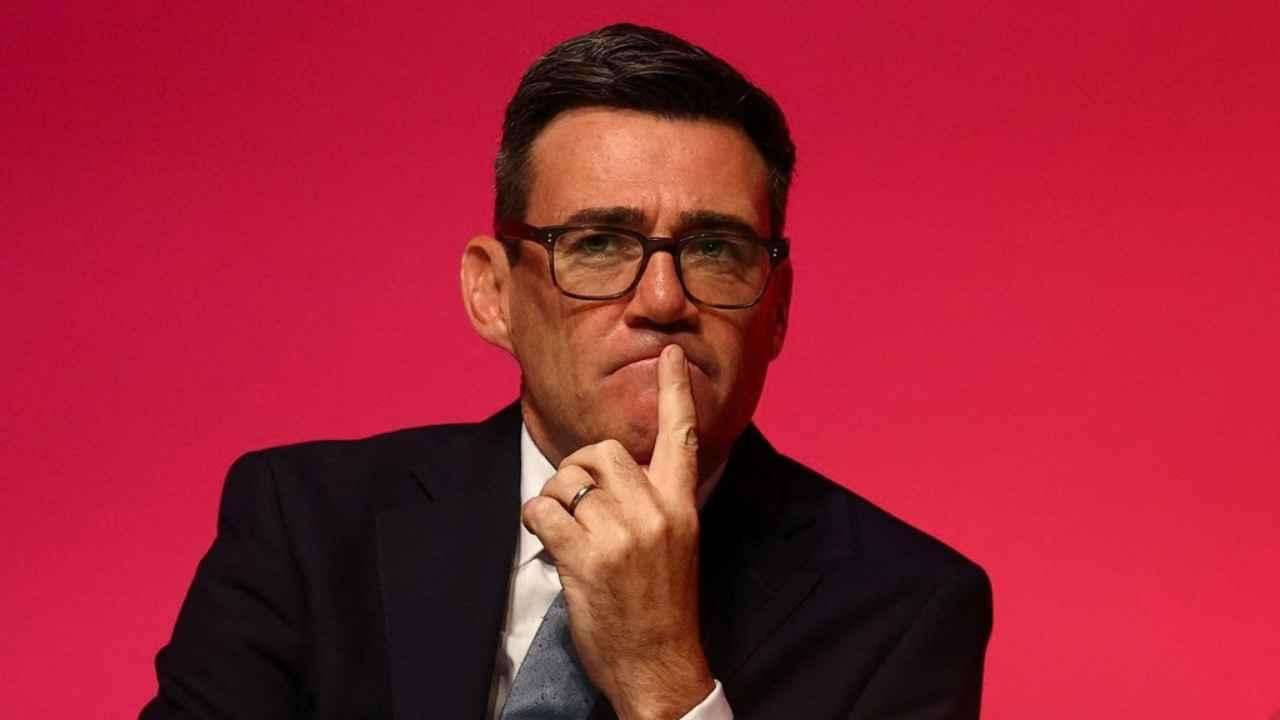
Mr Burnham is widely expected to be crowned leader without an open contest following the decisions of senior figures like Darren Jones and Wes Streeting to withhold challenges after reassuring conversations. Yet, this seamless transition lacks broader public endorsement. Comprehensive data indicates that voters favor a full leadership election over a coronation by a margin of two to one. Nearly 46 per cent of the electorate, including more than a third of registered Labour supporters, believe a competitive contest is required to establish true executive legitimacy.
Compounding this democratic deficit are severe policy rifts within the incoming administration. Left-wing strategist Miatta Fahnbulleh is reportedly driving an expansive economic agenda that has raised eyebrows among fiscal moderates. Concurrently, union leaders, led by Sharon Graham of Unite, have issued stern warnings regarding the prospective appointment of Ed Miliband to a senior economic post. They cite widespread anxieties that aggressive green energy bill levies are actively discouraging consumers from adopting sustainable technologies due to high baseline power costs. Commenting on the transition, backbench lawmaker Sean Woodcock told journalists that people have had enough of instability and chaos, and that legitimate questions must be raised regarding the mandate of any uncontested leader.
The political trajectory over the coming weeks remains highly fraught. Sir Keir is poised to address a packed House of Commons for his first Prime Minister’s Questions since his resignation, facing sharp scrutiny from Tory leader Kemi Badenoch over his remaining legislative plans. This includes a highly debated defence investment strategy that has already caused a rift with his likely successor.
Behind closed doors, transition talks between Whitehall officials and Mr Burnham's team are accelerating, with the former Greater Manchester Mayor expected to enter Downing Street as early as July 17. The incoming Prime Minister must choose between governing with a severely fractured legislative party or risking total displacement by heading to the polls. Observers note that Mr Burnham previously demanded the opposition go to the country during previous Conservative leadership transitions; failing to do so now could permanently compromise his political credibility before he even delivers his first Downing Street address.

.jpeg)