





.svg)
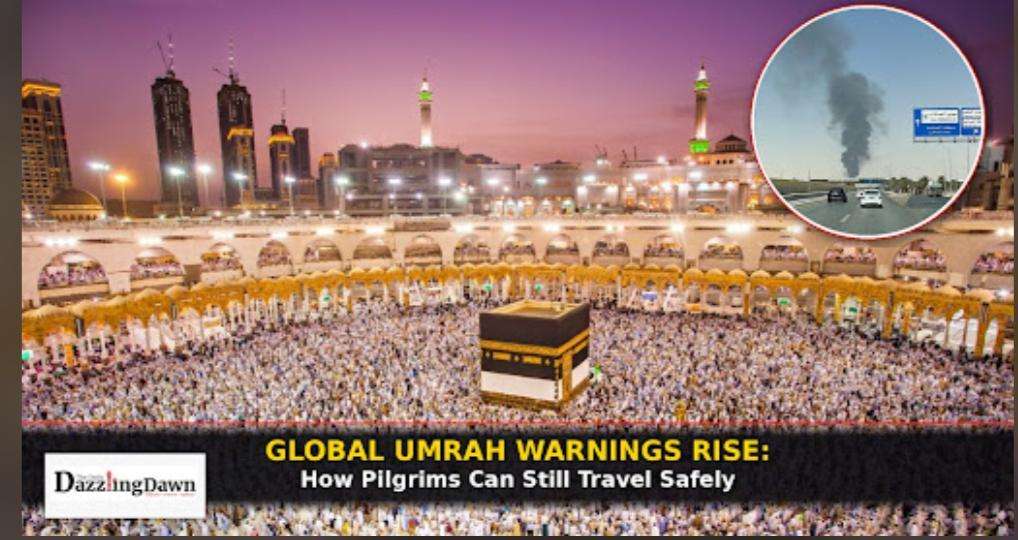
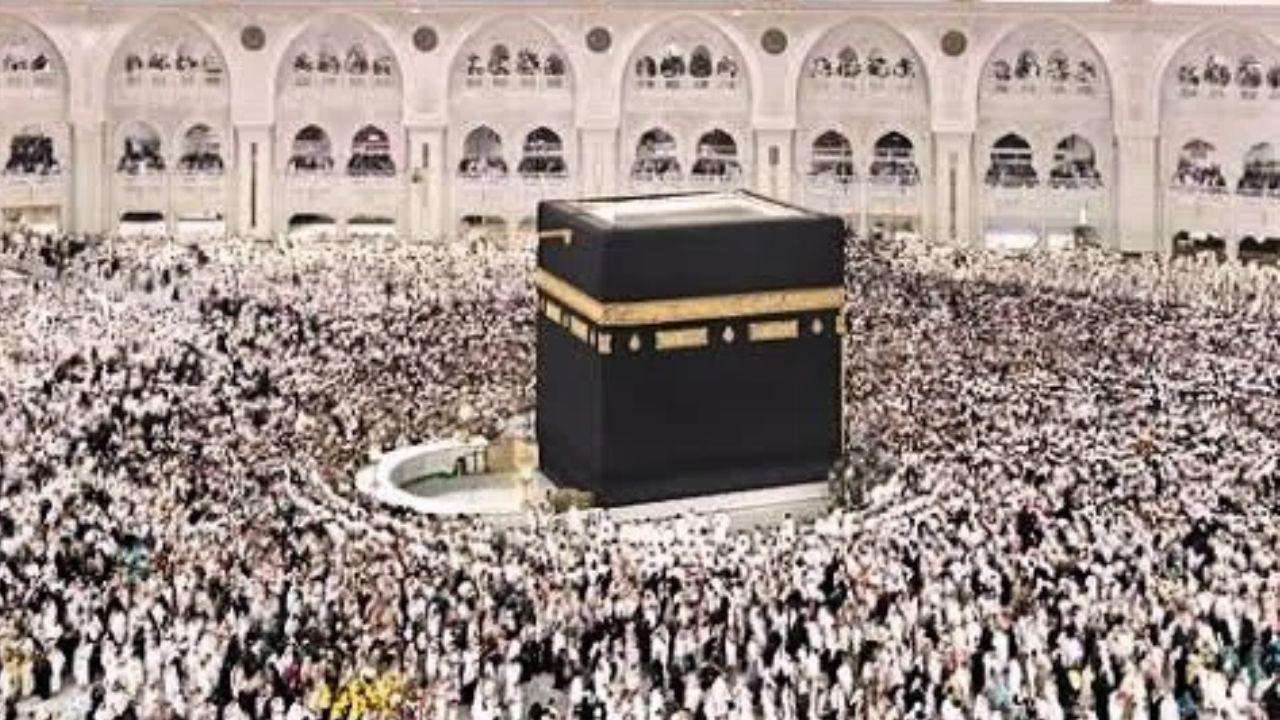
The Saudi Ministry of Hajj and Umrah has officially launched a 365-day multiple-entry Umrah visa allowing international pilgrims to enter the Kingdom repeatedly for a cumulative stay of up to 90 days, while confirming that travellers must purchase an approved service package on the Nusuk platform for every single journey. The strategic regulatory overhaul, rolled out across Riyadh, Makkah, and Madinah under Saudi Vision 2030 and the Pilgrim Experience Program, aims to streamline digital access for global worshippers while maintaining strict operational management over holy site capacities.
Addressing widespread queries surrounding repeat travel entitlements, official regulatory directives confirm that possessing a valid one-year visa does not exempt pilgrims from purchasing individual service arrangements on subsequent trips. Daily Dazzling Dawn learned that for each separate entry into the Kingdom, visa holders are legally mandated to acquire an accredited service package through an authorised provider listed on the official Nusuk portal. The duration of each chosen package cannot exceed the remaining days left on the traveller’s 90-day cumulative quota.
Furthermore, entry into Saudi territory remains strictly conditional upon securing a verified Umrah permit via the Nusuk application prior to boarding. The automated immigration architecture deactivates the visa systematically upon every departure from the Kingdom. Reactivation occurs dynamically only when the traveller completes the required regulatory filings and verifies an active service package for their next planned itinerary.
To prevent overcrowding and protect the integrity of major annual rituals, authorities have established an absolute blackout period during the annual pilgrimage. Daily Dazzling Dawn understands that multiple-entry Umrah visas will automatically cease activation from the first day of Dhu Al-Qi’dah through to the thirteenth day of Dhu Al-Hijjah. Travellers attempting to perform rituals during this window without dedicated Hajj credentials face immediate denial of boarding or deportation under Kingdom border security frameworks.
The move represents an initial phase in a broader series of upcoming border and pilgrimage modifications intended to position Saudi Arabia as a year-round spiritual destination. Industry analysts and diplomatic observers indicate that future policy enhancements are expected to further integrate air transit corridors, expand multi-destination tourism waivers, and introduce biometric automated e-gates across King Abdulaziz International Airport in Jeddah and Prince Mohammad bin Abdulaziz International Airport in Madinah.
By linking digital identity permits directly to licensed hospitality packages, Saudi authorities are balancing open-border economic goals with rigorous oversight, creating a predictable, fraud-resistant environment for millions of international pilgrims.