





.svg)
Iceland’s closely fought referendum on whether to resume accession negotiations with the European Union was still too close to call after the first 153,197 votes counted showed an almost even split between supporters and opponents of renewed talks. According to public broadcaster RÚV, 50.1% had voted against the government’s proposal, while 49.9% backed it, leaving only 435 votes separating the two sides in a country where approximately 270,000 people were eligible to vote.
The result has placed Prime Minister Kristrún Frostadóttir’s centre-left government at the centre of one of Iceland’s most significant political debates in years, reopening a long-running argument over the country’s relationship with the European Union, its economic independence and control of its valuable fishing grounds.
The ballot asked voters a straightforward but politically consequential question: whether Iceland should resume accession negotiations with the European Union. A vote in favour would not mean immediate EU membership. Instead, it would authorise the government to return to negotiations aimed at reaching an accession agreement, which would then require approval in a separate referendum.
A rejection, meanwhile, would not permanently prevent Iceland from reopening negotiations at a later date.
Frostadóttir’s government had previously pledged to hold a referendum on renewed EU talks by 2027. However, the vote was brought forward amid growing international uncertainty, including concerns over security in the North Atlantic and remarks by US President Donald Trump regarding Greenland.
Speaking after casting her ballot in Reykjavík on Saturday, Frostadóttir said the campaign had encouraged Icelanders to confront broader questions about their country’s future.
“This is a great day, we’ve been waiting for this for years to be able to have a vote,” the Prime Minister told journalists, adding that her government would continue its work regardless of the final outcome.
Daily Dazzling Dawn understands that the referendum became a wider examination of Iceland’s international position, even though the campaign itself was dominated primarily by economic concerns and the future of the country’s fishing industry.
Iceland already participates in the European single market through the European Economic Area and belongs to the Schengen area, allowing passport-free travel across much of Europe. Full membership of the European Union, however, would bring Iceland into the EU customs union and could eventually lead to the adoption of the euro.
Those questions have divided Icelandic politics for decades.
The future of Iceland’s fisheries once again emerged as the defining issue of the referendum campaign.
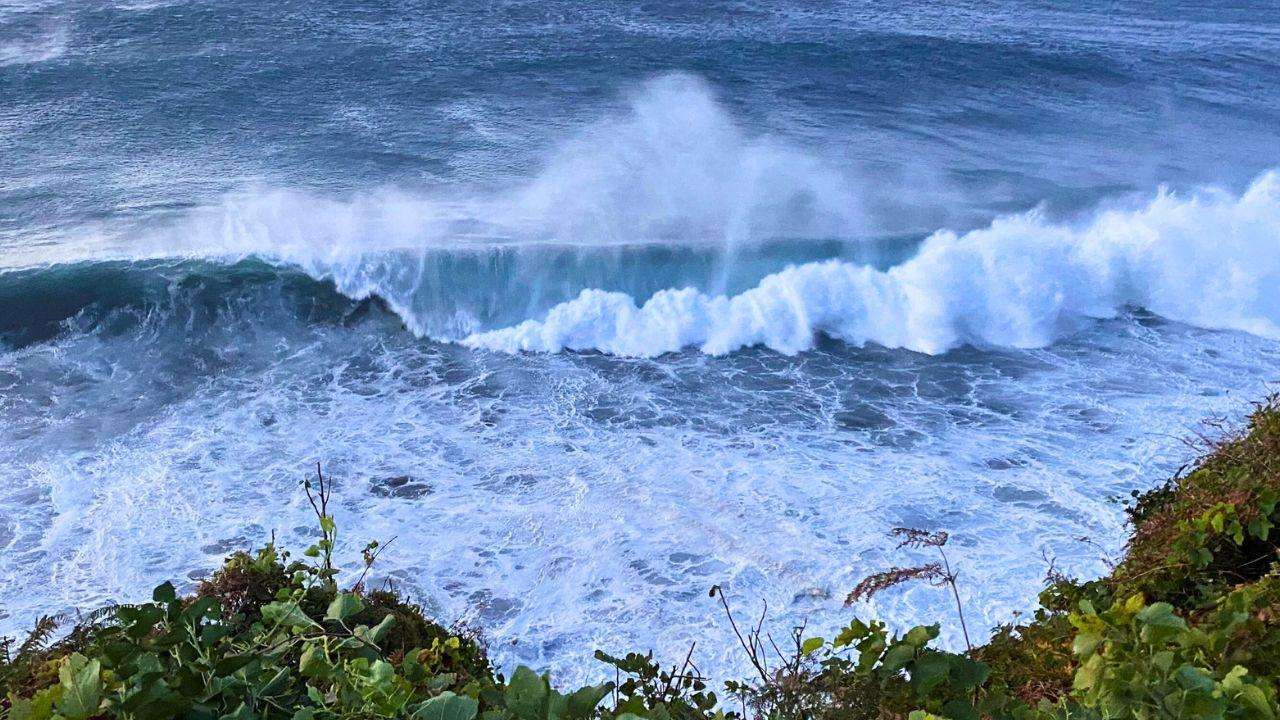
Fish and marine products remain central to the Icelandic economy, accounting for almost 40% of the country’s exports. Many opponents of renewed EU negotiations fear that membership could reduce Iceland’s authority over its fishing grounds under the bloc’s Common Fisheries Policy.
For a nation built partly on control of the rich waters surrounding the island, the issue carries economic, political and cultural importance.
It was also one of the principal difficulties during Iceland’s previous attempt to join the European Union.
Iceland formally applied for EU membership in 2009, following the devastating financial crisis of 2008 and the failure of its banking system. Negotiations progressed significantly, but the political landscape changed after a Eurosceptic government came to power in 2013.
That government put the accession process on hold, and the membership question gradually receded from the centre of Icelandic politics.
The latest referendum has brought the debate back with considerable force.
Supporters of renewed talks argue that Iceland should at least examine the terms that could be negotiated with Brussels before making a final decision on membership. Opponents contend that reopening negotiations could ultimately threaten national control over important sectors, particularly fisheries.
Although fishing and economic sovereignty dominated public discussion, Iceland’s security environment has become increasingly relevant.
Iceland is a founding member of NATO but does not maintain its own standing military. The country relies heavily on its alliance partners for defence, making developments in the North Atlantic particularly significant to its foreign and security policy.
Iceland has supported Ukraine following Russia’s full-scale invasion, while officials have also expressed concern about increased Russian maritime activity near Icelandic waters.
Daily Dazzling Dawn learned that wider geopolitical uncertainty has added a new dimension to the debate over Iceland’s relationship with European institutions and its traditional alliances.
Trump’s stated interest in taking control of Greenland has also prompted fresh discussion across the North Atlantic about sovereignty, security and the strategic importance of the Arctic region.
However, for many Icelandic voters, the immediate concern remained whether closer ties with the European Union could eventually affect domestic control over the country’s economy and natural resources.
The referendum is not a direct vote on whether Iceland will join the European Union.
If the Yes campaign prevails, the government would seek to resume accession negotiations with the EU. Any eventual agreement would still need to return to Icelandic voters in a second referendum before membership could become a reality.
If the No campaign wins, Iceland would remain outside the accession process, although future governments could still decide to reopen negotiations.
With the early count showing only 435 votes separating the two sides, the final result is expected to be closely watched across Iceland and Europe.
Whatever the outcome, the referendum has demonstrated that the question of European Union membership remains unresolved for a country balancing economic opportunity, national sovereignty, fisheries and growing geopolitical uncertainty in the North Atlantic.


.jpg)