






.svg)
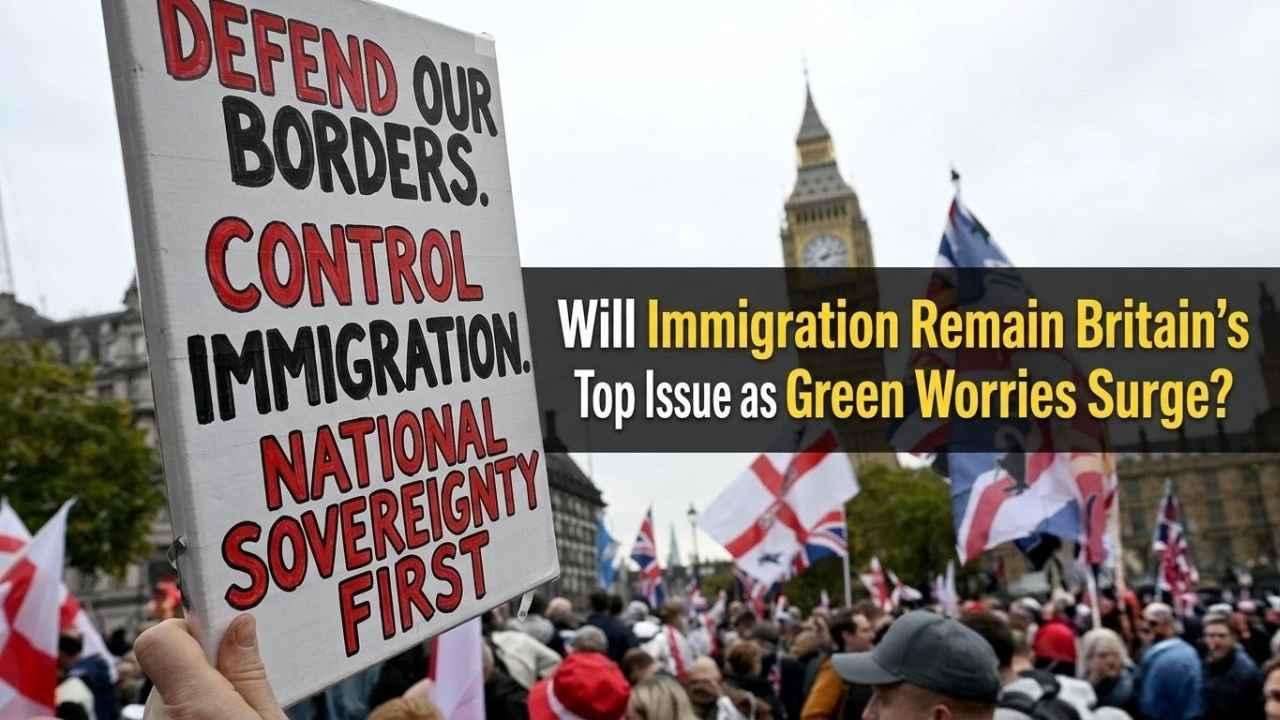
Immigration remains the paramount issue confronting the British electorate, with 42 per cent of citizens naming border policy and population flows as an urgent priority for the country, according to the latest August 2026 Ipsos Issues Index. Conducted between 5 and 11 August among a nationally representative sample of 995 British adults, the long-running monitor reveals that border control continues to dominate public discourse despite a historic 37-day summer heatwave that propelled environmental concerns back into the national top five. The findings arrive as Prime Minister Andy Burnham completes his first full month in office, confronting a deeply entrenched domestic landscape characterised by systemic economic pessimism alongside polarised political anxieties.
While concern regarding immigration held steady compared with previous polling, public attention directed towards climate change and environmental degradation recorded a pronounced surge across Great Britain. Spurred by intense summer heat and wildfires across continental Europe, 13 per cent of Britons cited the environment as an essential national concern, marking an increase of five percentage points since July and reaching its highest recorded level since February 2024. Environmental apprehension displayed distinct partisan divergence, rising to 38 per cent among Green Party backers and 29 per cent among Liberal Democrats, compared to 20 per cent among university graduates.
Even with ecological disruptions featuring heavily across international news broadcasts, the structural salience of immigration remained unmatched across key demographics. Polling data confirmed that 81 per cent of Reform UK supporters and 54 per cent of Conservative voters identified immigration as a leading matter of concern. Similar sentiments predominated among voters aged 55 and older, where the figure reached 52 per cent, as well as across working-class respondents classified in social grades C2DE, where 47 per cent expressed sustained unease regarding national intake.
The general economic climate persists as the second most pressing national priority for the electorate, identified spontaneously by 32 per cent of respondents, reflecting a two percentage point increase over the past month. Inflation and the ongoing pressure on household budgets ranked third overall at 21 per cent, while the National Health Service closely followed in fourth place with 20 per cent of citizens highlighting operational pressures within public hospitals and primary care services.
Public evaluation of the financial horizon provided nuanced reading for Downing Street under the newly installed Burnham administration. The Ipsos Economic Optimism Index recorded a net score of -48, marking its highest level in more than a year and indicating sustained recovery from the historic low of -72 logged in April. Despite this modest improvement, 61 per cent of adults anticipate that broader macroeconomic conditions will deteriorate over the forthcoming twelve months, while only 13 per cent foresee tangible improvement and 22 per cent expect stagnant output.
Speaking on the broader significance of the national findings, Mike Clemence, Research Director at Ipsos, told journalists that despite sustained coverage of persistent heatwaves and water shortages, immigration continued to eclipse all alternative domestic debates. Clemence observed that although environmental anxiety regained a top-five placement with its strongest return in more than two years, public uptake still barely exceeded one in ten citizens. Addressing the performance of the incoming government, Clemence noted that the moderation in economic pessimism provided an initial lift for the Prime Minister, though overall expectations remain deeply submerged below the index's historic average of -19.
Daily Dazzling Dawn understands that central policymakers now face the task of managing concurrent anxieties across both economic stability and national borders. With unprompted voter concerns demonstrating structural persistence over half a century of data tracking, Whitehall faces immediate scrutiny regarding its capacity to stabilise public services while navigating a volatile international climate and sustained migration pressures.










.jpg)