

.svg)
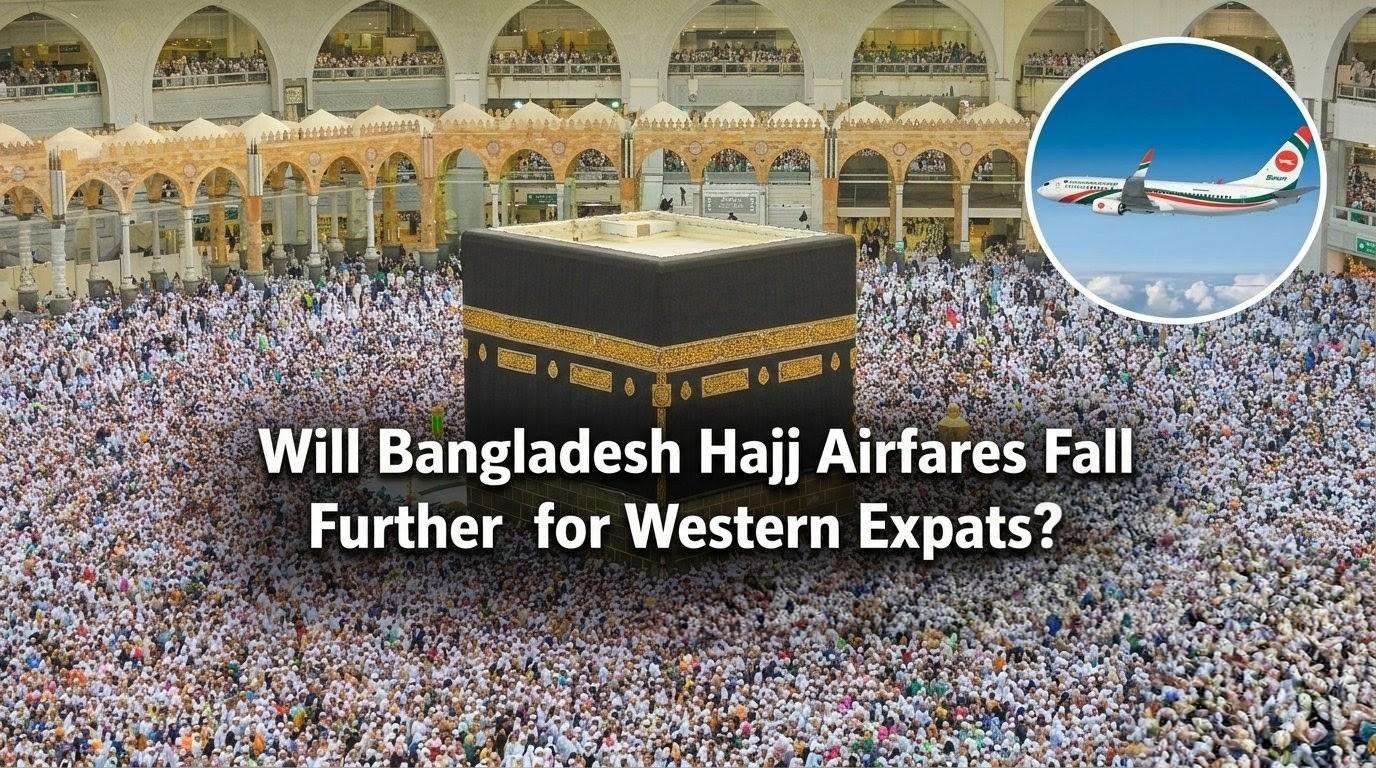
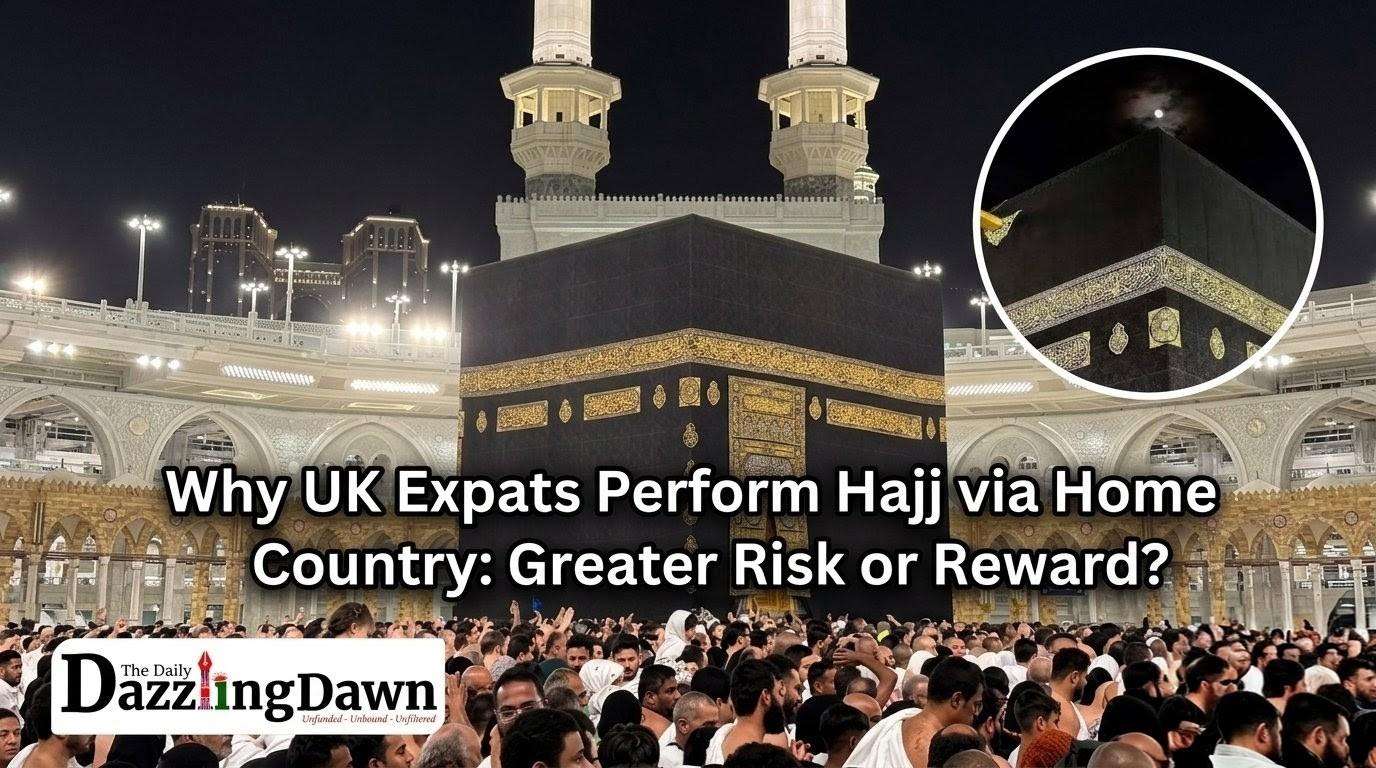
A rising number of British-Bangladeshi dual nationals and UK residents are circumventing official domestic channels to perform Hajj by registering through Bangladeshi pilgrimage operators, driven by persistent allocation hurdles on Saudi Arabia's official Nusuk Hajj platform. While the move offers guaranteed familial departures and lower upfront costs, it introduces severe consular vulnerabilities, complex dual-identity legal dilemmas, and demanding international transit routes that raise urgent questions regarding pilgrim safety abroad.
The trend is not confined to the Bangladeshi community; thousands of British Muslims of Pakistani, Indian, and Turkish heritage routinely undertake similar alternative routes each season. The primary catalyst remains systemic friction within the Saudi Nusuk Hajj system, which frequently separates family members by failing to allocate group approvals simultaneously. For many worshippers, this poses both logistical and religious hurdles. Islamic jurisprudence mandates that female pilgrims travel alongside a Mahram, an obligation that becomes untenable when Nusuk approves single individuals rather than whole households. Compounded by long waiting periods and sudden rejections, many British residents turn to established native operators who can guarantee travel alongside familiar community groups.
In Sylhet, prominent agencies such as Latif Travels—an operator with more than six decades of service—facilitated pilgrimages for thousands of Bangladeshi travellers last season, including hundreds of expatriates from the United Kingdom and the United States. Daily Dazzling Dawn understands that bookings through the agency have nearly doubled for the upcoming pilgrimage season. Speaking to Daily Dazzling Dawn, Latif Travels director Johirul Chowdhury Shiru confirmed that exceptional service combined with significantly lower expenditure continues to drive widespread diaspora demand toward established home-nation operators.
Yet financial arithmetic tells only part of the story. Travelling to Saudi Arabia via Dhaka requires a multi-leg journey: an initial outbound flight from London to Bangladesh, followed by subsequent transit to Jeddah or Medina, with the entire sequence repeated on the return leg. Expatriates incur supplementary expenditures on domestic lodging, regional transit, subsistence, and extended baggage allowances, alongside requiring extensive annual leave from UK employers. Nevertheless, expatriates routinely choose this circuitous route to escape Nusuk's procedural uncertainty.
The most critical hazard involves pilgrim safety and legal jurisdiction under Saudi management. When a British-Bangladeshi dual citizen registers under a Bangladeshi quota and enters the Kingdom on a Bangladeshi Hajj visa, Saudi authorities recognise the pilgrim exclusively under Bangladeshi administrative jurisdiction. British citizenship effectively ceases to function as the primary administrative channel on the ground.
Hajj demands intense physical endurance, exposing vulnerable and elderly pilgrims to risks of sudden illness, severe heat exhaustion, stampedes, and acute medical emergencies. Because entry documentation remains bound to Bangladeshi quota lists, local operators and Bangladeshi diplomatic missions bear primary responsibility for emergency care, hospitalisation, and repatriation. This administrative reality can significantly impede timely access to British consular assistance in Riyadh or Jeddah.
While the United Kingdom recognises dual nationality, Saudi Arabia’s Hajj framework does not accommodate overlapping identities, categorising every pilgrim under a single visa, quota, and designated caravan. Consequently, the visa stamped upon arrival dictates which state carries administrative and emergency authority.
The trend unfolds alongside persistent shortfalls in national quota utilisation back home. Official records show that of Bangladesh’s allocated quota of 127,198 pilgrims in 2025, only 87,100 spaces were taken up, leaving roughly 40,000 slots vacant. A similar disparity occurred in 2024, when only 85,257 pilgrims registered against the identical cap. Mobilising diaspora pilgrims could resolve these vacancies and strengthen bilateral pilgrimage revenues, yet the absence of an authorised mechanism permitting direct flights from the UK under foreign quotas keeps the practice in an administrative grey area.
Both the UK Foreign, Commonwealth & Development Office and the Saudi Ministry of Hajj and Umrah maintain strict operational directives. British guidance stipulates that standard tourist e-visas or Electronic Travel Authorisations (ETAs) remain invalid for Hajj rituals, warning that UK residents should utilise the Nusuk Hajj platform to ensure protected, direct arrangements. Industry observers caution diaspora pilgrims against relying on informal agency assurances. Before purchasing home-quota packages, travellers must secure written confirmation detailing the issuing country of the visa, point of departure authorisation, and explicit liability protocols in the event of medical emergencies abroad.