




.svg)
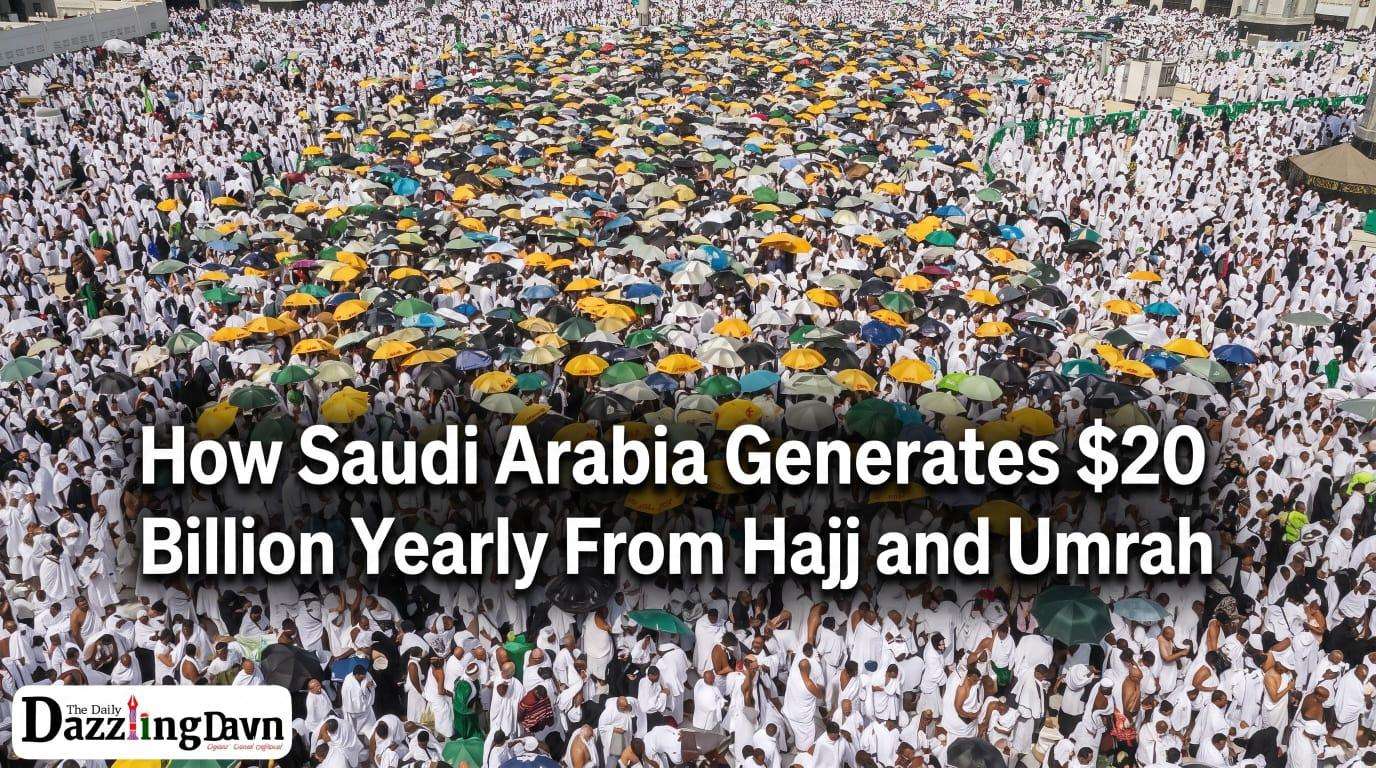
Saudi Arabia currently generates between $12 billion and $20 billion annually from Hajj and Umrah operations, positioning religious tourism as a primary economic pillar alongside Crown Prince Mohammed bin Salman's Vision 2030 diversification strategy. While geopolitical tensions in the Gulf and Red Sea shipping disruptions heighten fiscal risks for crude oil exports, the Kingdom in 2026 is targeting more than 20 million international Umrah visitors to secure steady, non-oil revenue across Makkah, Madinah, and Jeddah. According to General Authority for Statistics (GASTAT) figures reviewed by Daily Dazzling Dawn, Saudi Arabia welcomed 15.22 million Umrah performers in the first quarter of 2025 alone, alongside 1.67 million Hajj pilgrims later that year, sustaining over 936,000 jobs and contributing nearly 20 per cent of the nation's non-oil gross domestic product.
Long before the introduction of the Vision 2030 framework, pilgrimage services represented a vital commercial engine for the Saudi state. In 2012, Saudi economists estimated annual revenues from Hajj and Umrah at more than SAR 62 billion, with Hajj alone accounting for approximately 3 per cent of total national output. By 2019, official pre-pandemic data showed the Kingdom earning roughly $12 billion from 2.5 million Hajj pilgrims and 19 million Umrah visitors. Daily Dazzling Dawn understands that modernised permit structures and expanded hospitality capacities have pushed current annual earnings toward the $20 billion mark.
Unlike crude oil, which relies on fluctuating global commodity markets, the pilgrimage economy operates on recurring human mobility that stimulates multi-sector domestic demand. Direct state and private revenues begin with mandatory electronic visa processing, administrative permits, and municipal service charges managed through the government's official Nusuk digital platform. Every international arrival triggers immediate capital inflows across aviation, accommodation, telecommunications, and financial services. With per capita spending targeted to exceed $1,000 under the Kingdom's "Umrah Plus" initiative—which encourages visitors to extend average stays from five to nine nights to visit historical sites in Jeddah's Al-Balad, Taif, and the Red Sea coast—religious tourism is projected to support 1.6 million domestic jobs by 2030.
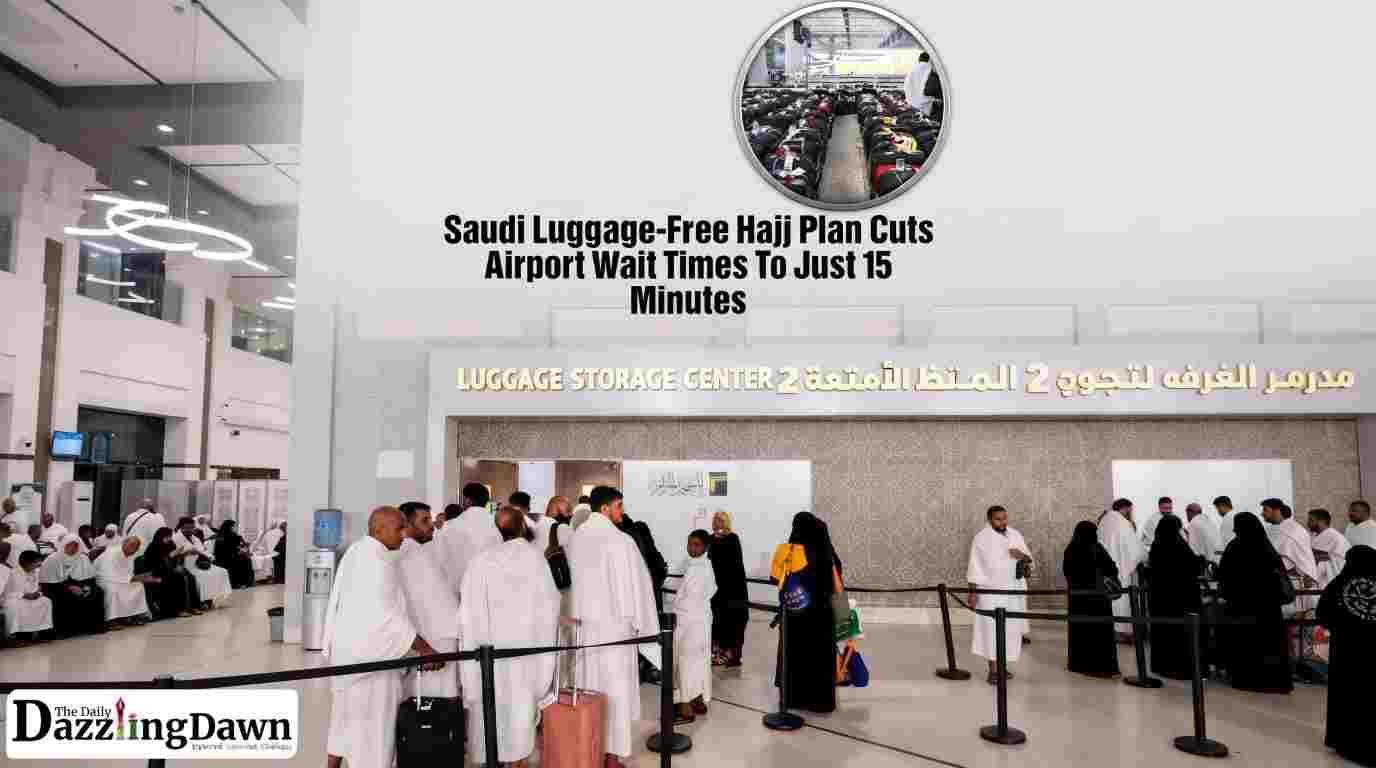
Transportation infrastructure represents one of the most lucrative commercial channels within the pilgrimage supply chain. GASTAT data indicate that 82.2 per cent of the 6.52 million international Umrah performers in the first quarter of 2025 entered the Kingdom by air, whilst 94 per cent of the 1.67 million Hajj pilgrims arrived via aviation hubs. King Abdulaziz International Airport in Jeddah and Prince Mohammad bin Abdulaziz International Airport in Madinah operate at peak commercial capacity throughout the religious calendar, generating substantial landing fees, ground-handling revenues, and ticket sales for national carriers.
On the ground, state-backed rail and private transit networks capture millions of riyals in passenger fares. During the 2025 season, the Haramain High-Speed Railway operated more than 4,700 trips, providing over 2 million paid seats connecting Makkah, Madinah, and Jeddah. Simultaneously, the seasonal Makkah Metro transported more than 2 million riders across the holy sites of Mina, Arafat, and Muzdalifah, supported by a fleet of over 23,000 dedicated buses. This logistical demand has also created a thriving market for regional technology startups and ride-hailing applications, including Careem, Kaiian, and inDrive, which deploy fixed-rate pilgrimage transit zones and dual-language interfaces to capture seasonal consumer spending.
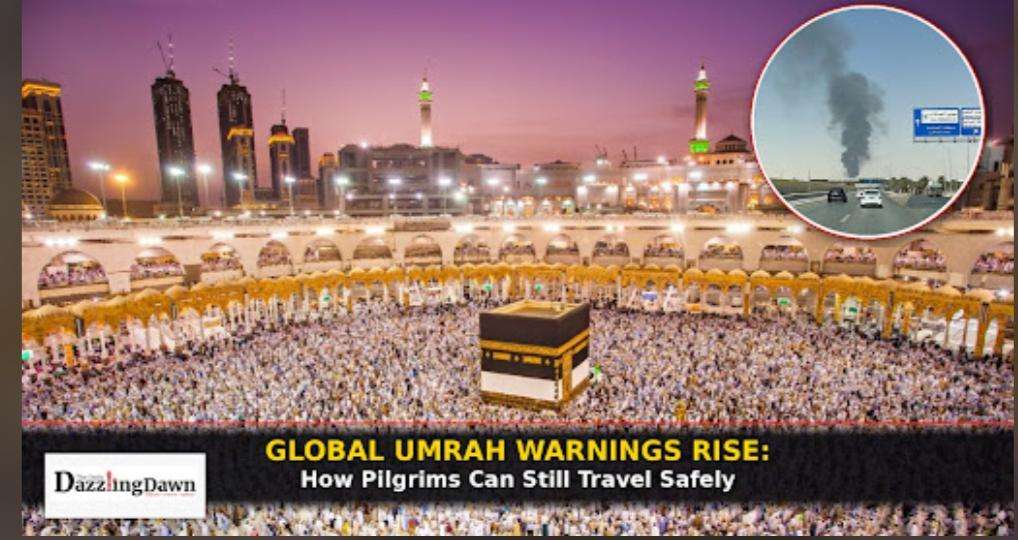
Securing this multi-billion-dollar economic infrastructure requires unprecedented expenditure on physical security, crowd control, and regional defence. As Dr Eko Setiobudi of STIES Mitra Karya Bekasi noted in an economic assessment told to journalists, geopolitical instability across the Persian Gulf and maritime choke points in the Strait of Hormuz and the Red Sea continue to threaten traditional energy supply chains. For Riyadh, protecting the uninterrupted flow of millions of international pilgrims from over 170 countries is both a national security imperative and a fiscal necessity.
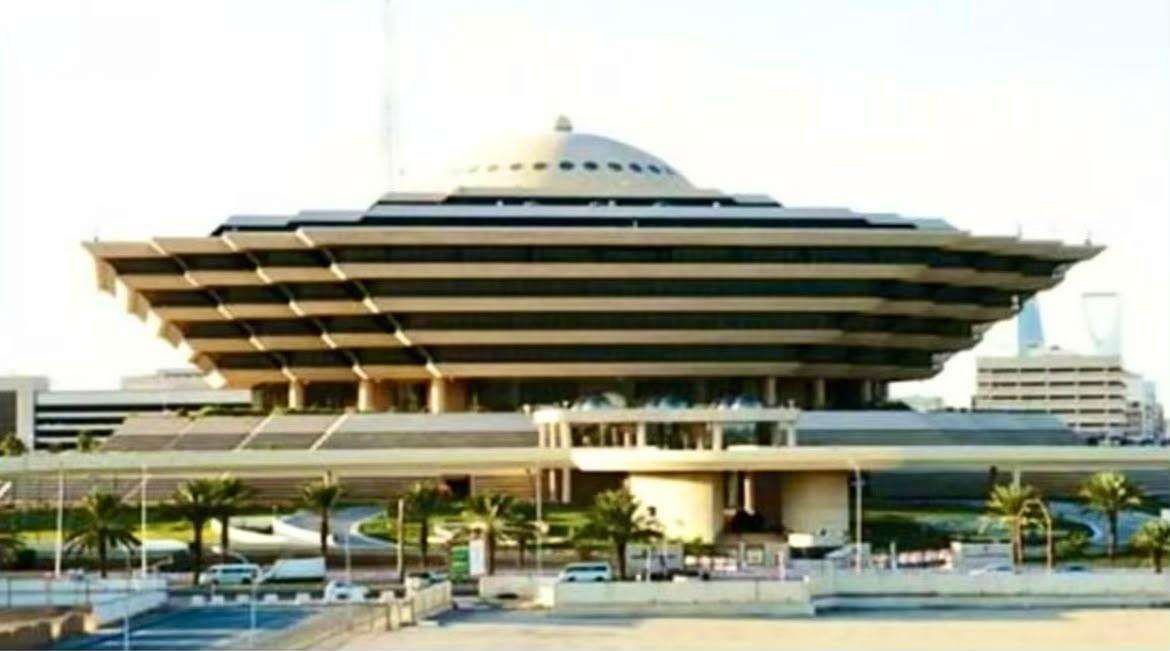
To mitigate internal logistical and security threats during peak congestion, Saudi authorities have embedded advanced surveillance and emergency response architecture directly into the holy sites. Daily Dazzling Dawn learned that recent operations integrated artificial intelligence crowd-density monitoring, aerial reconnaissance drones, electronic smart gates, and thermal road sensors to prevent bottlenecks and manage extreme heat. The state also deploys over 900 ambulances, mobile clinics, and specialised security forces to enforce strict permit compliance, preventing unauthorised entry into Makkah that could strain municipal safety systems. These security operations generate additional administrative revenues whilst safeguarding the Kingdom's reputation as a stable global transit hub amidst broader Middle Eastern volatility.
To ensure that pilgrim expenditure remains inside the domestic economy rather than leaking abroad through foreign imports, Saudi fiscal planners are focusing on two structural priorities in the 2026 national budget. The first involves transforming the Nusuk application from a basic visa portal into a comprehensive financial ecosystem governing travel planning, retail payments, medical insurance, and accommodation bookings. By centralising transactions digitally, authorities can capture precise economic data and expand private-sector participation.
The second priority centres on localising the industrial supply chain that feeds and equips up to 30 million targeted annual Umrah visitors by 2030. By expanding domestic manufacturing in food and beverages, textiles, pharmaceuticals, logistics, and retail goods around the Grand Mosque real estate developments, Riyadh aims to convert seasonal religious consumption into year-round industrial production. Whilst pilgrimage revenues will not wholly replace hydrocarbon exports, the systematic commercialisation of Hajj and Umrah infrastructure provides Saudi Arabia with a resilient, sovereign revenue stream insulated from global oil price shocks.