






.svg)
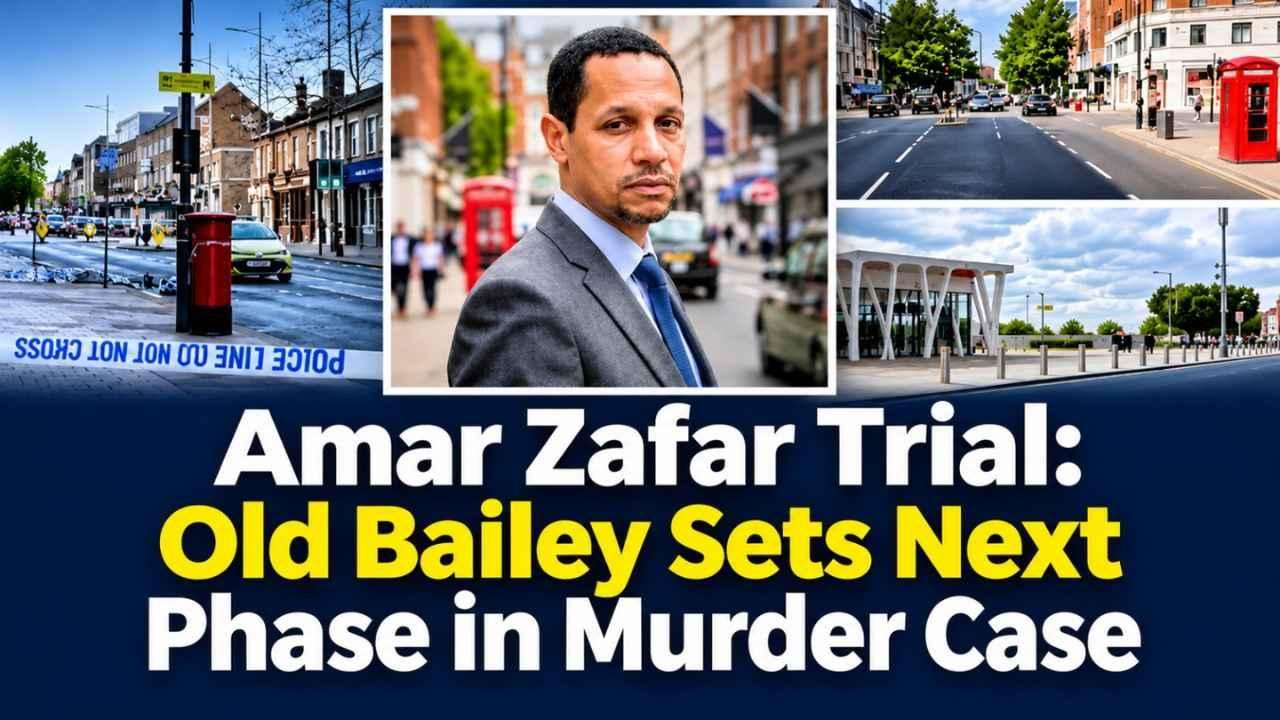
As of November 4, 2026, the Central Criminal Court is advancing the high-profile murder trial of Amar Zafar, aged 35, for the fatal stabbing of 41-year-old Luke Brereton. Following a pivotal administrative hearing on October 7, the Old Bailey is now managing the intricate service of evidence documents ahead of the next Plea and Trial Preparation Hearing (PTPH). Zafar, a resident of Cambridge Grove Road in Kingston, remains in high-security remand as the prosecution and defence prepare for a complex trial projected for late 2026.
During the October 7 sitting at the Old Bailey, the case was formally listed before Court 15 for trial preparation. This hearing marked a critical escalation from the preliminary stages at Wimbledon Magistrates’ Court, underscoring the gravity of the double indictment: murder and possession of a bladed article. The court is currently establishing a stringent timetable for the service of the Prosecution Case Management file. This comprehensive document will contain the core of the Crown’s argument, including finalised pathology reports and the intricate digital mapping of the suspect’s movements. Defence counsel is expected to respond to these disclosures during the upcoming PTPH, which is anticipated in the coming months as the court solidifies the schedule for the late 2026 trial.
A highly unusual development has surfaced outside the courtroom, centering directly on the Daily Dazzling Dawn newsroom. Daily Dazzling Dawn understands that in recent days, unidentified individuals have telephoned our editorial office directly, requesting a specific contact number or a named representative to facilitate financial contributions towards Amar Zafar’s legal defence. These informal pledges of support, which remain entirely unsanctioned by his legal team or the court, highlight a complex and quiet undercurrent of local sentiment. While the Metropolitan Police continue to characterise the February 22 incident as an isolated event, this distinct mobilisation of anonymous backing for the Kingston resident offers a stark contrast to the widespread public outcry and fundraising efforts emerging from the victim's hometown of Mitcham.
Detectives from the Met’s Specialist Crime Command, operating under Operation DEEMSBOND, are maintaining their focus on a critical five-minute window between 12:32 AM and 12:37 AM on the night of the tragedy. The prosecution’s narrative is increasingly anchored to the "Blade Path"—a documented sequence of movements along the A219 corridor that allegedly traces Zafar’s trajectory before and after the fatal confrontation. Forensic analysts are currently unpicking encrypted communication data to determine whether the encounter between Zafar and the Mitcham resident was a chance dispute or the culmination of a pre-existing grievance. The recovery of the weapon, secured during Zafar's arrest later that night, remains the central physical pillar of the evidentiary bundle.
The legal proceedings continue against a backdrop of profound community division. In Mitcham, the memory of Luke Brereton has galvanised residents, with a "Justice for Luke" vigil and a substantial fundraiser demonstrating widespread solidarity with the bereaved family. Conversely, in Kingston and parts of Mitcham, investigators are meticulously vetting the suspect's historical associations. Allegations regarding Zafar’s prior volatility, including unverified reports of a historical firearms incident, are being cross-referenced by the Prosecution Case Management team. While these background inquiries are standard in high-stakes murder trials, they add a secondary layer of psychological context that the prosecution may utilise to establish patterns of behaviour.
As of November 4, Amar Zafar remains in high-security remand at a London prison. The legal focus is now tethered to the physical evidence recovered from the A219 corridor and the final synthesis of witness statements. The path toward a verdict depends entirely on the prosecution’s ability to bridge the gap between street-level volatility and premeditated action. For the family of Luke Brereton, the wait for a formal trial is punctuated by the clinical delivery of post-mortem results and the ongoing forensic sweep of the Broadway scene. As the Old Bailey maintains its tight control over the proceedings, the case remains one of the most closely monitored judicial matters in South West London.

.jpeg)




.jpg)