


.svg)
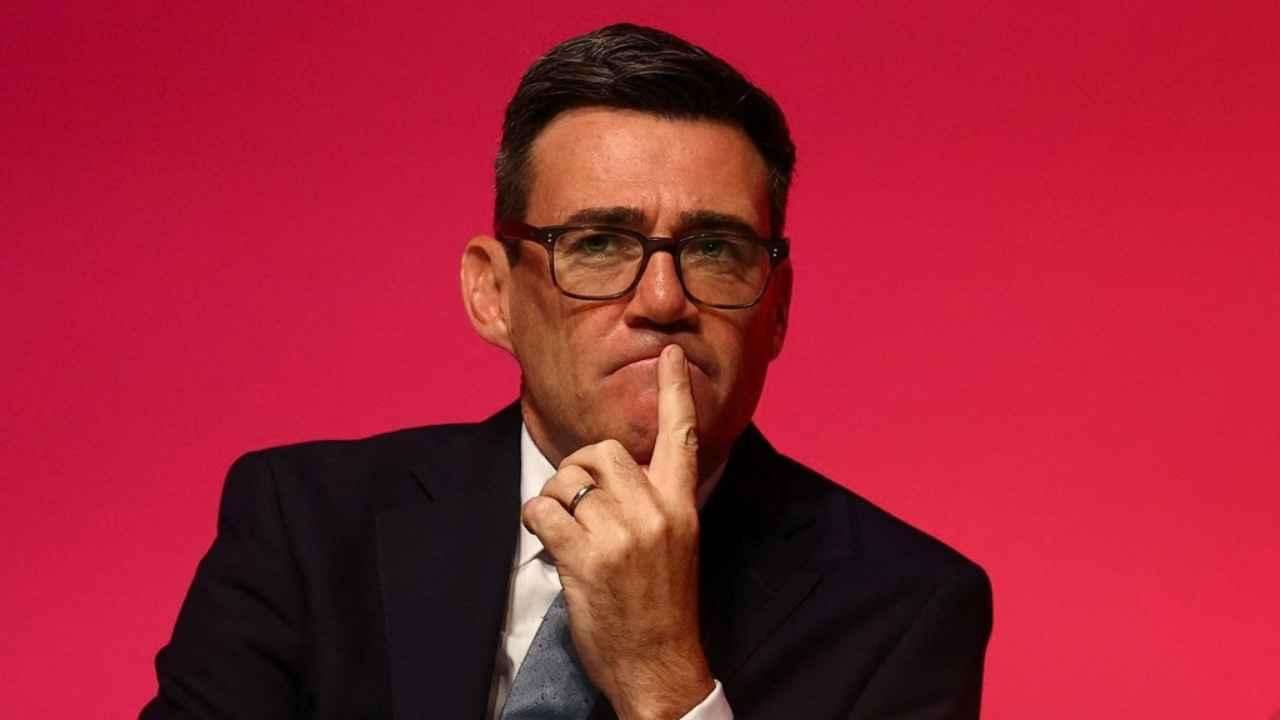
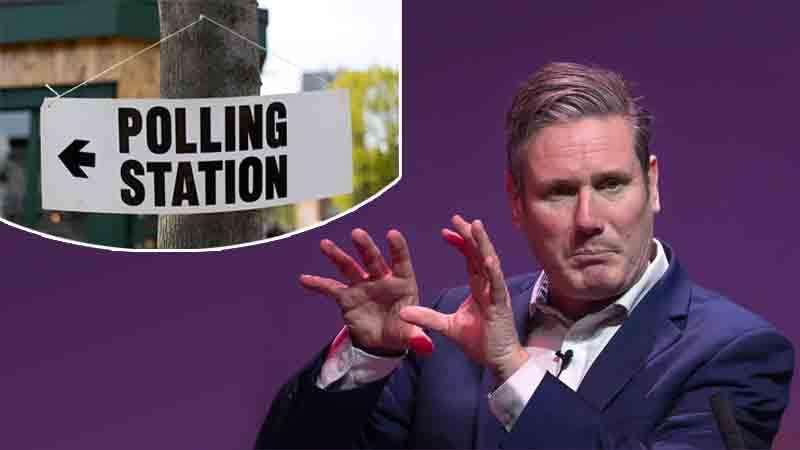
The Starmer administration is entering a period of extreme turbulence as fresh polling data and internal dissent suggest the Prime Minister’s tenure may be entering its final act. While Downing Street has attempted to project stability, a devastating YouGov report released in late December 2025 reveals that Sir Keir Starmer’s net favorability has plummeted to a historic low of -54. This collapse in public trust comes as 72 percent of the electorate now views the Prime Minister unfavourably, creating a vacuum of authority that rivals and insurgent parties are moving rapidly to fill. The May 7, 2026 elections, once viewed as a standard mid-term check, are now being characterized by Westminster insiders as a "Mayday" moment that could trigger a formal leadership contest.
The crisis is most acute in the devolved nations, where Labour’s traditional "Red Wall" is facing a total structural failure. In Wales, the latest Senedd projections represent a political earthquake: Labour has crashed to just 10 percent in voting intention, leaving them in a humiliating tie for third place with the Conservatives. Under the new proportional representation system, Plaid Cymru (33%) and Reform UK (30%) have turned the contest into a two-horse race, with Reform effectively cannibalizing the working-class vote that Starmer has struggled to retain. Analysts suggest that if these numbers hold, Labour could be reduced from the dominant force in Welsh politics to a peripheral faction with as few as 10 seats in a 96-seat chamber.
North of the border, the Scottish National Party has successfully staged a dramatic recovery, with polling indicating they are on track to maintain, and potentially expand, their power at Holyrood. Despite earlier hopes that Scottish Labour leader Anas Sarwar would become First Minister, the party is now bracing for a "battering" from both the SNP and a resurgent Green Party. This shift not only threatens Starmer’s domestic agenda but also ensures that the constitutional question of Scottish independence will return to the forefront of UK politics by the summer of 2026, further destabilizing a Prime Minister already fighting on multiple fronts.
In Westminster, the "quiet" talk of a leadership challenge has broken into open speculation. While Labour Party Chair Anna Turley recently insisted that Starmer would “absolutely” still be Prime Minister by next Christmas, her comments have done little to quell the maneuvering. Senior figures such as Health Secretary Wes Streeting, who currently enjoys the highest profile among potential successors, have been forced to publicly deny involvement in "joint tickets" with Angela Rayner. However, the emergence of a new "Your Party" movement led by Jeremy Corbyn and Zarah Sultana is further draining Labour’s core support, particularly among younger voters and urban professionals who are defecting to the Greens in record numbers.
The government’s controversial decision to allow the postponement of up to 63 council elections until 2027 has been branded a "stitch-up" by Nigel Farage, whose Reform UK party is now polling ahead of Labour in several key metrics. By delaying these contests in areas where they feared a wipeout, Labour has inadvertently heightened the stakes for the remaining battles in London and other metropolitan hubs. As the 2026 electoral calendar approaches, the narrative is no longer about whether Labour will lose seats, but whether the scale of the defeat will provide the "smoking gun" needed for backbenchers to move against a Prime Minister who has become a historic electoral liability.

.jpg)