.jpg)







.svg)
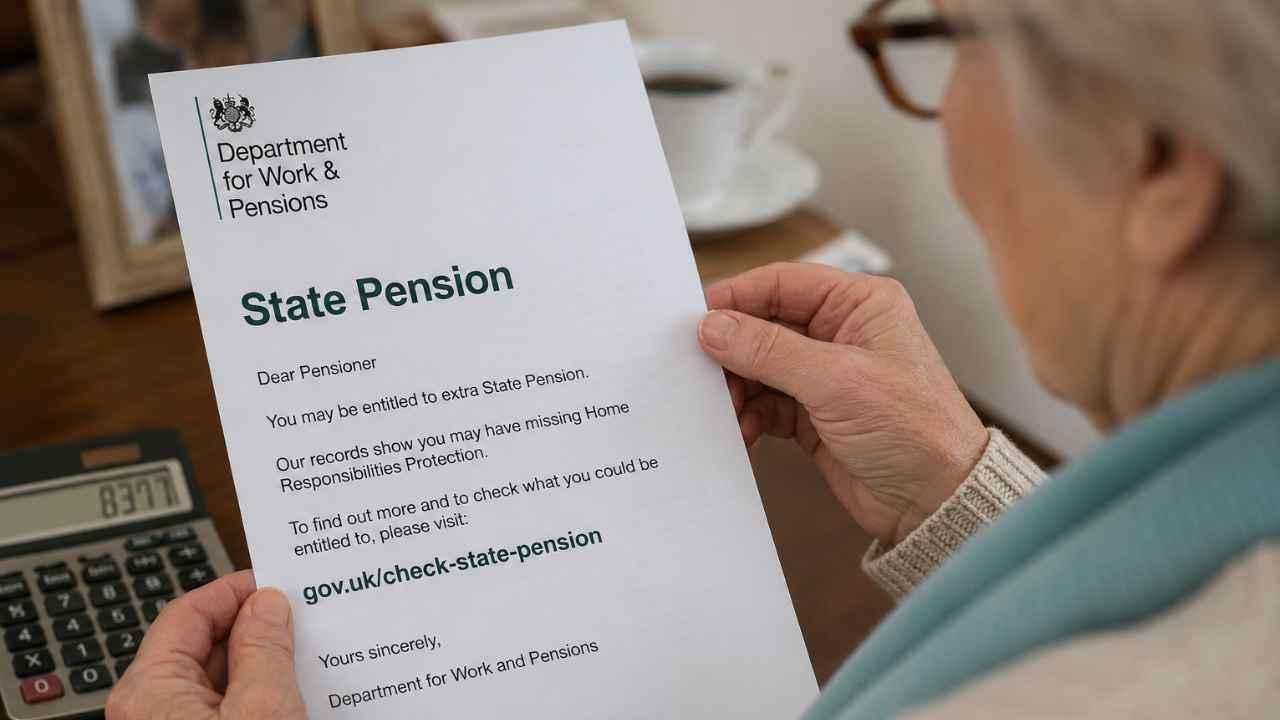
The UK’s tax authority is facing a period of intense scrutiny following the admission that its aggressive digital crackdown on benefit fraud has backfired, disproportionately targeting innocent families. HM Revenue and Customs (HMRC) Chief Executive John-Paul Marks confirmed to the Treasury Select Committee that a staggering 71% of parents who had their Child Benefit suspended were legitimate claimants. This figure represents a significant jump from previous estimates, revealing that 17,048 out of 23,794 affected families were victims of a "system failure" rather than being actual fraudsters.
The controversy centers on a flawed data-matching exercise intended to identify parents who had emigrated while continuing to claim UK benefits. In an attempt to "streamline" the process and save a projected £350 million, HMRC bypassed critical PAYE income checks that had been utilized during initial pilot programs. Instead, the department relied almost exclusively on Home Office travel records. This decision proved catastrophic, as the travel data failed to account for common nuances, such as travelers departing from one airport and returning through another, or individuals who booked flights but were unable to travel due to medical emergencies.
The Human Toll and Administrative Negligence
The fallout from this administrative error has extended far beyond mere paperwork. Thousands of families reported significant financial distress and psychological trauma after receiving "frightening" letters demanding answers to 73 intrusive questions. Parents were forced to provide exhaustive documentation, including bank statements, school reports, and even sensitive medical records, to prove they had not left the country. In one harrowing instance, a mother’s benefits were terminated after her child suffered an epileptic seizure at a departure gate; because she did not board the plane, the system flagged her as having emigrated without a recorded return.
A specific geographic "blind spot" regarding Northern Ireland has drawn the sharpest criticism from lawmakers. Meg Hillier, chair of the Treasury Select Committee, labeled the department's oversight as an "egregious error." The algorithm flagged parents as having emigrated if they flew out of a UK airport but returned via Dublin. Despite the geographic proximity of Dublin to the Northern Ireland border, HMRC's system failed to recognize this common travel route, effectively accusing thousands of local residents of fraud based on a holiday or business trip.
Government Accountability and the Path Forward
In the wake of these revelations, HMRC has been forced to reinstate the PAYE cross-checks it previously abandoned. While the department has issued an official apology, the political ramifications are only beginning to surface. The government now faces a dilemma: how to recoup the trust of the electorate while maintaining a mandate to reduce welfare fraud. With only 5% of the suspended cases currently confirmed as actual "non-compliance," the cost of administering the crackdown may soon outweigh the actual fraud recovered, especially when accounting for the man-hours required to process thousands of appeals and manual corrections.
Observers expect a significant shift in how the Department for Work and Pensions (DWP) and HMRC handle automated decision-making in the future. There is mounting pressure for a "human-in-the-loop" requirement for any benefit suspension, ensuring that a physical caseworker reviews a file before a family’s primary source of income is severed. Furthermore, the Home Office is under pressure to rectify the "no-show" and "incomplete return" data gaps that fueled the crisis, as these errors have now been proven to have real-world consequences for social security.
Hypothetical Analysis: What Happens Next?
The immediate future likely holds a mandatory "pause and review" of all automated fraud detection algorithms across government departments. We could see the introduction of a "Benefit Safety Net" protocol, which would prevent the total suspension of payments while a claim is under investigation, instead opting for a provisional payment system to avoid plunging families into poverty. Politically, the Labour government may use this failure as a catalyst to distance itself from previous "hostile environment" policies, potentially leading to a total overhaul of the Child Benefit oversight system in the upcoming Spring Budget.
The next six months will be critical for HMRC as it attempts to close the remaining 5,600 open inquiries. If the error rate remains high, the department could face a class-action style demand for compensation from parents who suffered financial hardship during the suspension period. As the government pivots, the focus will likely shift from "saving £350 million" to "restoring departmental integrity," a move that may require a significant investment in technology upgrades to replace the current, fragmented data-sharing infrastructure.


.jpg)