

.svg)
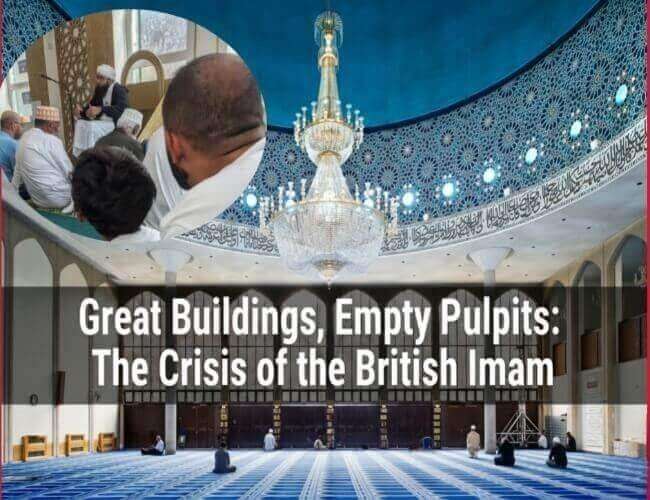
The landscape of British Islam is undergoing its most significant transformation since the arrival of the first generation of migrant communities. A landmark five-year study, spearheaded by Dr Riyaz Timol at Cardiff University’s Centre for the Study of Islam, has uncovered a dramatic generational shift: nearly half of the imams currently serving in the UK—roughly 48%—were born and raised on British soil. This marks a staggering jump from just 8% in 2008, signaling that the "homegrown" imam is no longer a rarity, but the emerging standard, Daily Dazzling Dawn realised.
The Cultural Translation Gap and the Need for British Roots-For decades, British mosques relied heavily on scholars imported from South Asia, particularly Pakistan and Bangladesh. While these elders provided a spiritual foundation, a profound "communication chasm" has developed between foreign-born imams and the third, fourth, and fifth-generation Muslims who speak English as their first language. Modern British Muslims are not just looking for ritual leaders; they are seeking spiritual guides who understand the nuances of the UK education system, mental health struggles, and the complexities of navigating a multi-cultural identity.
The inability of some foreign-born imams to explain the Qur'an and Sunnah in fluent English or to relate to the social pressures of British life has left many young worshippers feeling spiritually orphaned. British-born imams act as vital "cultural translators," bridging the gap between ancient theology and contemporary British reality. They are better equipped to engage in interfaith dialogue and represent their communities in the public square, especially during times of heightened social tension.
Why Top Talent is Shunning the Pulpit-Despite the rise in British-born scholars, a "brain drain" is occurring. Many of the most brilliant, UK-qualified graduates from Islamic seminaries (Dar al-Ulooms) are choosing careers in academia, law, or secular social work rather than becoming imams. The reasons are rooted in systemic neglect:
The Pay Crisis: Research shows many imams earn below the national minimum wage, often lacking formal contracts or pension schemes.
The "Volunteer" Trap: A 2025 Ayaan Institute report revealed that 86% of mosque workforces are volunteers. There is a deep-seated cultural expectation that religious work should be done "for the sake of God" and thus doesn't require a professional salary.
Burnout: Imams are now expected to be "de facto" marriage counselors, mental health experts, and youth workers—tasks for which they are rarely trained or compensated.
Demographic Reality: The Bangladeshi Influence-The ethnic makeup of British mosques remains heavily influenced by the South Asian diaspora. Current data suggests that while Pakistani-origin imams still form the largest group, approximately 20% to 25% of imams in Britain are of Bangladeshi heritage. In London boroughs like Tower Hamlets, where the Muslim population is nearly 40% Bangladeshi, the demand for British-Bangladeshi imams is critical. However, the shift to British-born leadership in these specific communities is slower, as older mosque committees often prioritize traditional candidates from the "home country" over local, younger talent.
Read more: Halal Home or Hidden Riba? The Multi-Billion Pound "Interest" Illusion
Assets vs. People: A Billion-Pound Imbalance-The British mosque sector is sitting on an estimated £1.5 billion in physical assets, yet it is human-resource poor. While millions are spent on minarets and marble floors, the "software"—the people—is being neglected. To solve the crisis of the modern mosque, the focus must shift from construction to professionalization.
Salaries: Mosques must implement a professional pay scale comparable to teachers or vicars to attract top-tier British talent.
Training: There is a dire need for "Continuing Professional Development" (CPD) in safeguarding, counseling, and British law.
Governance: Moving away from "back-home" village-style management to transparent, inclusive boards that include women and youth will ensure mosques remain relevant.
The External Pressure: Safety in a Hostile Climate-Adding to the internal struggle is a surge in external hostility. Data from 2025 shows that anti-Muslim hate crimes rose by 19%, with dozens of mosques targeted by vandalism and arson. This "siege mentality" makes the role of the imam even more stressful, as they must now act as security coordinators and community defenders. Without a new generation of British-born leaders who can confidently navigate the media and legal systems, the UK’s 1,800+ mosques risk becoming isolated fortresses rather than the vibrant community hubs they were meant to be.
Daily Dazzling Dawn Analysis: The Institutional Crisis of Mosque Governance
Beyond the shifting demographics lies a deeper, more corrosive institutional failure: the systemic professional neglect within mosque management structures. Daily Dazzling Dawn’s deeper analysis suggests that while the "bricks and mortar" of British Islam are flourishing, the "human software" is being stifled by an archaic, volunteer-centric governance model. Many mosque committees—often dominated by an aging cohort with little grounding in UK employment law—continue to operate through "village-style" politics rather than professional corporate standards. This results in a toxic environment where imams are frequently subjected to micromanagement, a total lack of job security, and an expectation of 24/7 availability without formal contracts or grievance procedures. For the highly educated, British-born generation of scholars, this unprofessionalism is the ultimate deterrent. Until mosque boards transition from acting as "gatekeepers" to becoming professional "enablers" who respect the labor rights and mental well-being of their clergy, the UK will continue to lose its brightest religious minds to the secular workforce.