







.svg)
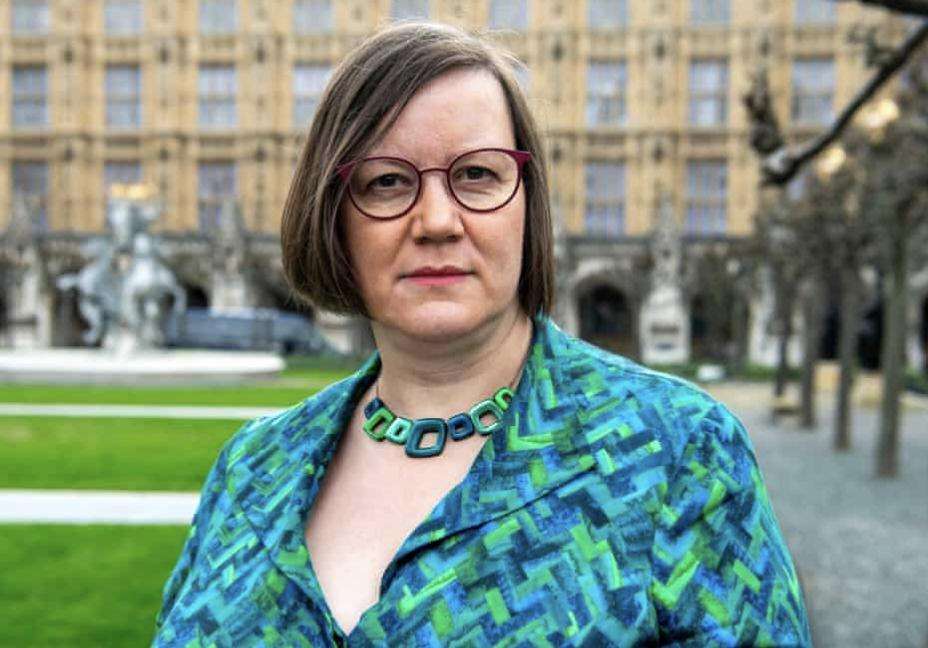
The British trade union movement is currently witnessing a civil war that exposes the deep-seated friction between old-guard machismo and modern institutional reform. At the center of this storm is Maryam Eslamdoust, the General Secretary of the Transport Salaried Staffs' Association (TSSA), who has come forward with explosive allegations against the GMB union. Eslamdoust asserts that she is being subjected to a targeted campaign of intimidation and "hostile takeover" tactics that would never be directed at a male counterpart. This conflict is not merely a dispute over staff morale; it is a battle for the soul of the TSSA as it attempts to move past a history of scandal under its previous male leadership.
The Architect of Reform: Who is Maryam Eslamdoust?
Maryam Eslamdoust is a formidable figure in British labor politics, known for her tenacity and her background as a dedicated socialist and feminist. Of Iranian heritage, Eslamdoust has spent her career advocating for marginalized voices. Before taking the helm at the TSSA in 2023, she served as a high-profile Labour Party councilor and was the first person of Iranian descent to serve as the Mayor of Camden. In her personal life, she is married to Thomas Gardiner, a prominent lawyer and former Labour figure; together, they have been a power couple within the London left for years. Her appointment as the first female leader of the TSSA was seen as a watershed moment for a union that had been rocked by the dismissal of its predecessor, Manuel Cortes, following allegations of gross misconduct.
Hostility Under the Guise of Representation
The current friction stems from the GMB union acting as the representative body for TSSA’s own internal staff. Eslamdoust claims that GMB officials have weaponized this position to undermine her authority. She describes a pattern of behavior that includes senior GMB officials shouting at her, wagging fingers in her face, and threatening her reputation during meetings. Eslamdoust argues that this aggression is a smokescreen for a broader geopolitical move by the GMB—a much larger organization with over 550,000 members—to force a merger and absorb the smaller TSSA. She points out the bitter irony that the GMB, which was labeled "institutionally sexist" by the 2020 Monaghan report, is now attempting to lecture the TSSA on workplace culture.
A Workplace Safety Paradox
The GMB’s defense hinges on a recent staff survey within the TSSA which suggested that 90% of employees find the environment "psychologically unsafe." While these numbers are startling, Eslamdoust contends that the low morale is a direct legacy of the previous administration’s "toxic" culture, which she was specifically hired to dismantle. She argues that the GMB is exploiting this transitional pain to destabilize her leadership. When compared to modern, progressive tech firms or even reformed public sector bodies where mental health support and transparent grievance procedures are standard, both unions appear trapped in a cycle of traditionalist combat. Eslamdoust is currently implementing a lawyer-led review to modernize TSSA’s facilities and worker rights, but she maintains that these efforts are being sabotaged by external interference.
The High Personal Cost of Leadership
The physical and emotional toll on Eslamdoust has been significant. She describes a grueling schedule, often working from 8:00 AM until 11:00 PM, not just to manage the union’s transport interests, but to defend herself against what she characterizes as "constant aggression." The gendered nature of the attacks is a recurring theme in her testimony; she notes that while the TSSA was led by a man, the GMB did not exhibit this level of "impunity" or hostility. As GMB General Secretary Gary Smith faces his own re-election battles, the pressure on Eslamdoust represents a broader test of whether a woman can lead a historic transport union without being bullied into submission by the "big brothers" of the labor movement.

.jpg)