




.svg)
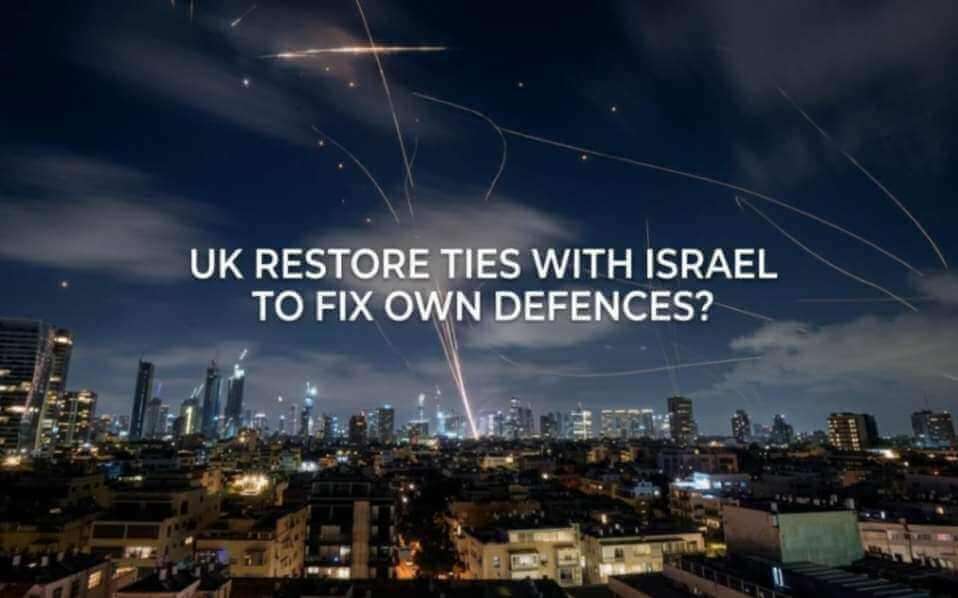
Israeli forces and Hezbollah fighters are engaged in heavy ground battles across multiple strategic areas in southern Lebanon, as Israel continues to expand its military operations, according to local residents and Lebanese security sources.
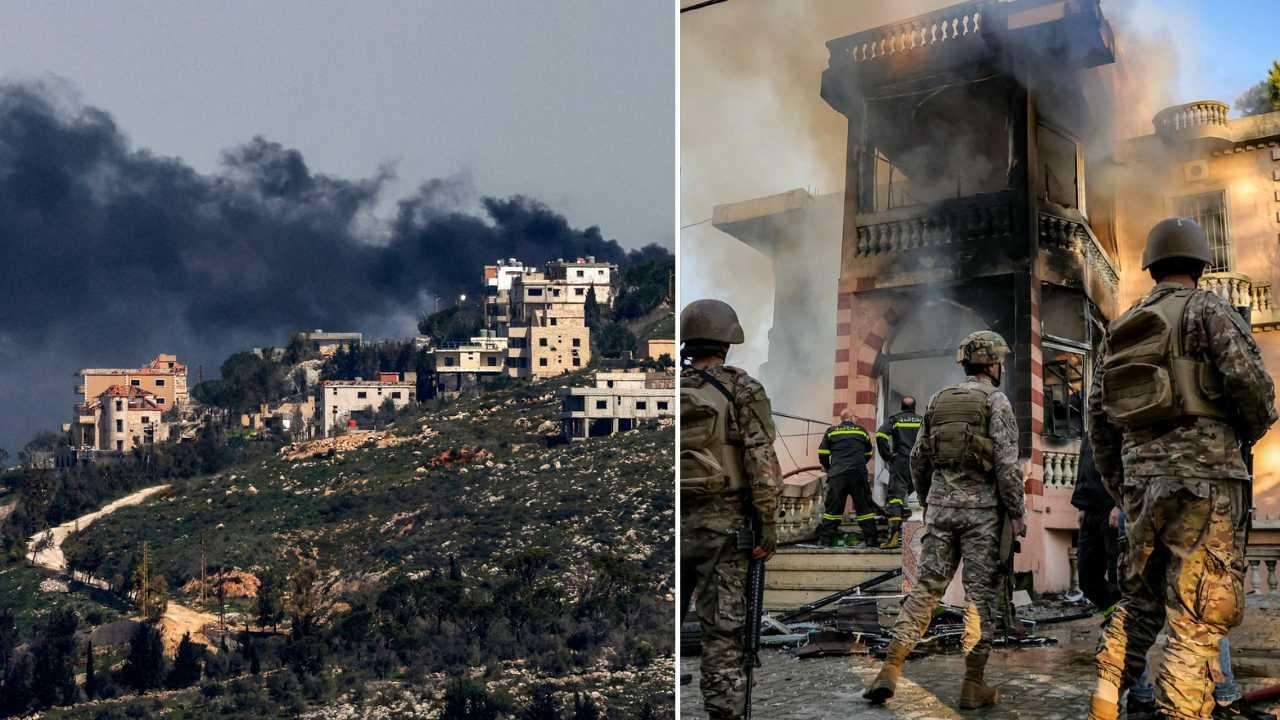
The fighting has been particularly intense around the elevated city of Khiam, a key strategic location overlooking surrounding areas. Israeli forces have launched sustained airstrikes and artillery attacks targeting Hezbollah positions entrenched in and around the city. Clashes have intensified in recent days, with Hezbollah confirming increased fighting along the city’s eastern and northern outskirts.
Beyond Khiam, Israeli troops have attempted advances into several border villages in central and western southern Lebanon. Residents from areas such as Aita al-Chaab report fierce confrontations between Israeli forces and Hezbollah fighters. Lebanese security officials say multiple border towns have become active combat zones, as Israeli units attempt to penetrate the area from different directions, encountering strong resistance.
The escalation follows a significant Israeli troop buildup along the border, including multiple brigades supported by tanks, signaling preparations for a broader ground offensive. While Israel has described the campaign as a “limited operation,” discussions are reportedly underway about expanding its scope.
The current conflict began after Hezbollah launched rockets into Israel on March 2, prompting a swift Israeli military response aimed at dismantling the group. Hezbollah has framed its actions as defensive, citing ongoing Israeli airstrikes in Lebanon since a ceasefire in late 2024. However, the decision to enter the conflict has drawn criticism within Lebanon, where public support is divided.
Military analysts describe the war as a clash between Israel’s advanced airpower and Hezbollah’s entrenched guerrilla tactics. Control of key terrain—especially Khiam—is seen as critical. Experts note that capturing the city could disrupt Hezbollah’s supply routes and weaken its operational coordination across southern Lebanon.
Israeli forces have also targeted infrastructure, including bridges and major roads near the Litani River, in an effort to isolate Hezbollah positions. Reports indicate that medical facilities and emergency services have also been hit, raising humanitarian concerns.
Despite sustained Israeli strikes and pressure from the Lebanese army to disarm, Hezbollah maintains a strong presence south of the Litani River. Fighters continue to operate using anti-tank weapons, drones, and artillery. Local officials say many villages still host armed fighters, with support for Hezbollah remaining significant in parts of the south.
Meanwhile, Israeli forces are attempting to establish “safe zones” along the border, where civilians can remain under strict conditions aimed at preventing Hezbollah infiltration. Some residents report raids and detentions during Israeli operations in these areas.
According to former Israeli military officials, the immediate objective is to create a buffer zone in southern Lebanon to push Hezbollah forces further from the border and reduce threats to northern Israeli communities. This strategy may involve occupying territory south of the Litani River while maintaining surveillance further north.
However, experts warn that maintaining such a buffer zone could require a prolonged military presence, potentially reigniting broader support for Hezbollah within Lebanon.
As the conflict intensifies, the situation on the ground remains volatile, with both sides preparing for a potentially extended confrontation.