






.svg)
The Channel Islands and the Isle of Man are entering a new era of border security as the Crown Dependencies prepare to sync with the United Kingdom’s digital travel infrastructure.
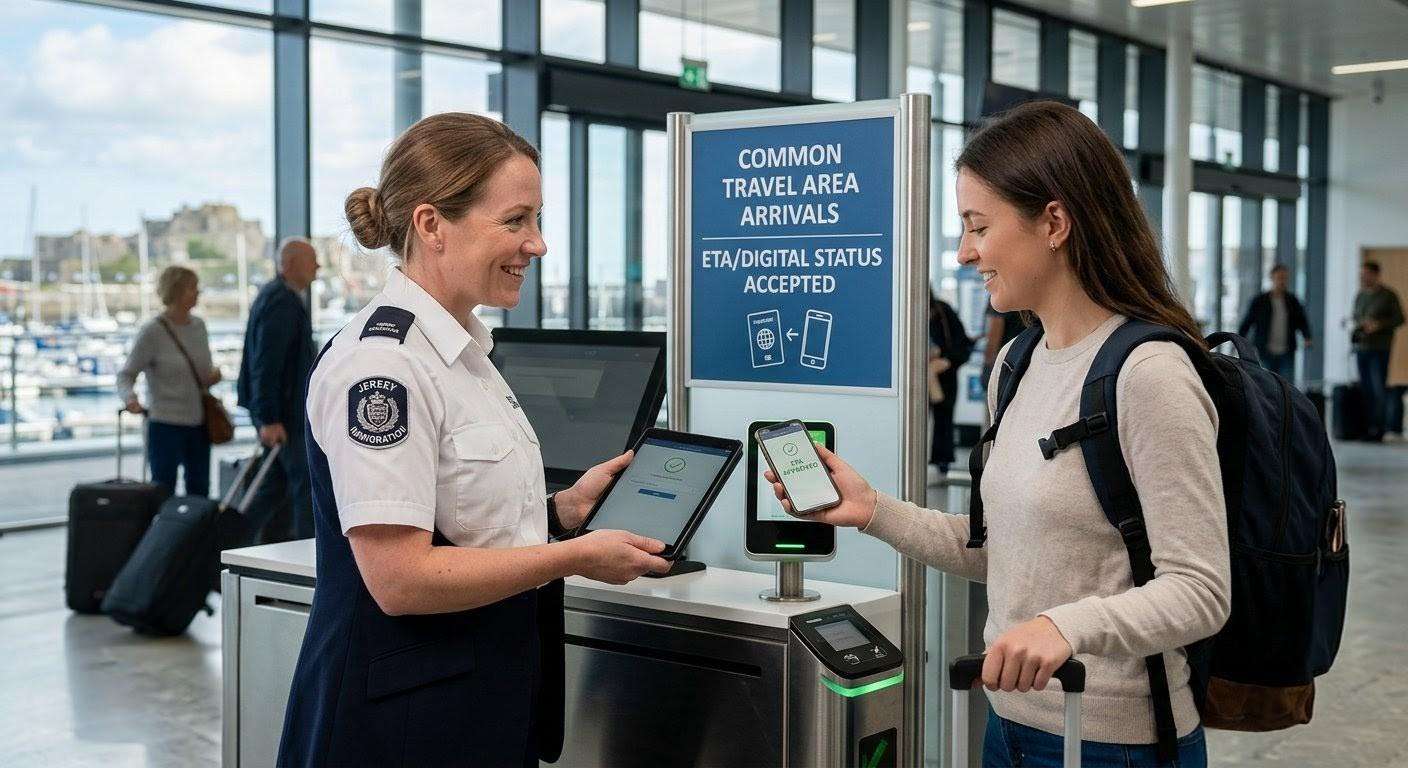
Starting 23 April 2026, a significant shift in entry requirements will take effect for international visitors heading to Jersey, Guernsey, and the Isle of Man. Under the new mandate, travelers from outside the Common Travel Area (CTA) who previously enjoyed visa-free entry must now secure an Electronic Travel Authorisation (ETA) before their journey begins. This digital permit, which costs £20 and is valid for two years, represents a transition toward a "frictionless" yet high-security border. While the system is operated by the UK Home Office, its implementation across the islands is designed to create a unified security shield across the British Isles.
Beyond the Digital Gate: What is Not Yet Widely Reported
While the headline focus has remained on the April 23 start date, the deeper strategic roadmap involves the upcoming "Digital Status" transition. Local authorities have indicated to journalists that the current reliance on physical vignettes and wet-ink stamps in passports is being phased out in favor of a 100% digital immigration status. This means that by the end of 2026, the islands aim to have a real-time data link with carriers, allowing for "permission to travel" checks to be automated at the point of booking, effectively moving the border away from the local ports and into the digital cloud.
Furthermore, a critical development for the 2026 tourism season is the confirmed extension of the French Identity Card Scheme. Despite the move toward digital ETAs, French nationals will remain eligible to visit the islands for day trips using only their national ID cards until at least the end of the 2026 summer season. This exemption is a vital economic lifeline for local hospitality, though it remains restricted to maritime day-trippers only and does not apply to those arriving by air or staying overnight.
Industry Concerns and Future Projections
The shift has not been without its critics. Concerns regarding the economic impact persist, with industry specialists noting that the added cost and administrative layer could deter spontaneous visitors. Travel journalist Simon Calder told journalists that the ETA scheme could potentially cost the Channel Islands "millions" in lost tourism revenue if the application process is perceived as a barrier.
The next phase of this rollout will involve a rigorous "Carrier Engagement" period. Airlines and ferry operators are currently being integrated into the UK’s Carrier Support Hub, a 24-hour service that will verify a passenger’s ETA status before they are allowed to board. For travelers, the window to act is small: applications for the 23 April requirement are expected to open as early as 9 April 2026. This marks the end of "unscreened" travel for non-visa nationals and ensures that every visitor—including infants and children—is accounted for within the digital CTA framework.
What happens next will be the true test of the system: the islands’ ability to balance high-tech security with the welcoming atmosphere that defines their tourism brand. As the border moves to a "contactless" future, the traditional passport stamp may soon become a relic of the past.