
.jpg)




.svg)
Public confidence in the value of a university degree has declined sharply in the United Kingdom, driven by rising student debt, concerns over graduate employment prospects, and growing fears about the impact of artificial intelligence on the job market.
According to the latest British Social Attitudes (BSA) survey, the percentage of people who believe a university degree is not worth the time and financial investment has more than doubled over the past two decades, increasing from 14% in 2005 to 34% in 2025.
The survey also revealed a significant decline in the number of people who believe university graduates will enjoy substantially better financial outcomes than non-graduates. That figure has fallen from 50% to 36% during the same period.
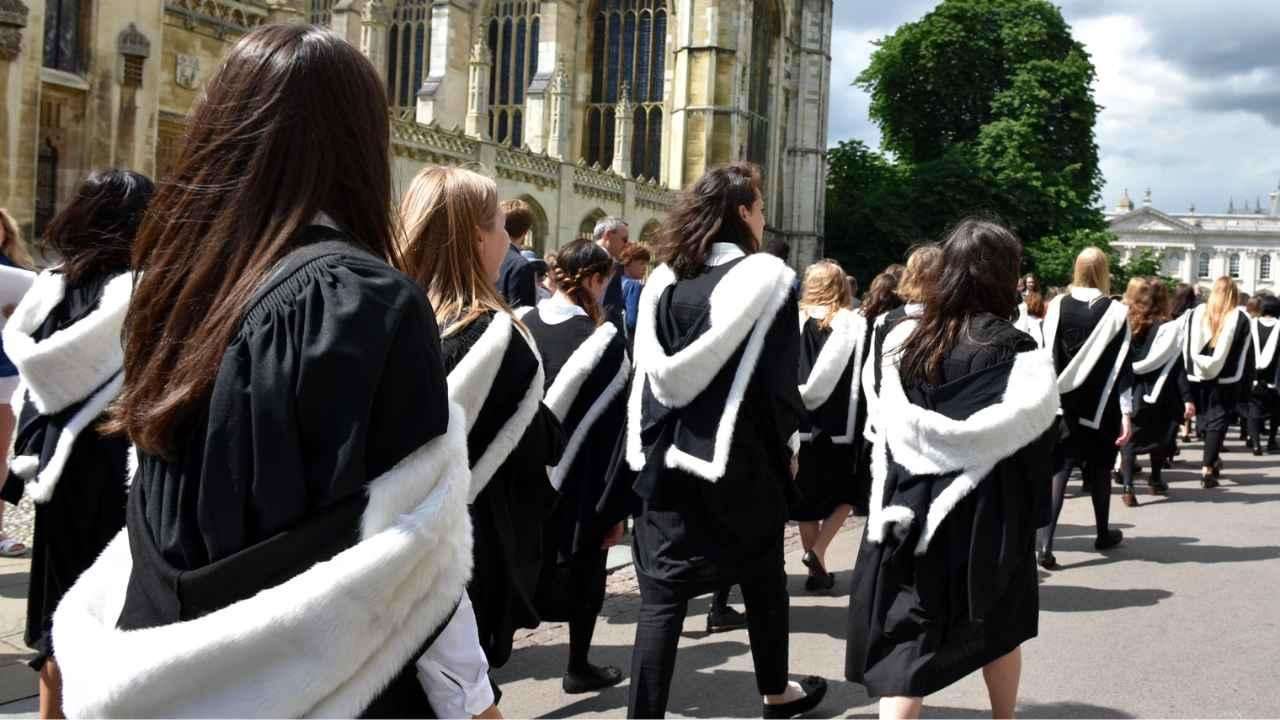
Higher education in the UK has expanded dramatically over recent decades. In 1983, only around 6% of school leavers attended university. Today, approximately 36% pursue higher education, with more than two million domestic students currently enrolled.
However, the rapid expansion has coincided with rising costs. Since tuition fees were introduced in 1998 at £1,000 per year, the maximum annual fee for English students has increased to £9,535, excluding accommodation and living expenses.
Many graduates are also facing growing financial pressures due to student loans. Repayment thresholds have been repeatedly frozen instead of increasing with inflation, while concerns continue over interest rates charged on student debt. The government has confirmed repayment thresholds will remain frozen for an additional three years from 2027.
Vivienne Stern, Chief Executive of Universities UK, acknowledged the challenges facing graduates but argued that higher education continues to provide substantial benefits.
"There’s no doubt the labour market is challenging," Stern said. "However, evidence consistently shows graduates are more likely to be employed, earn higher salaries, and enjoy better health outcomes. Universities also play a crucial role in supporting economic growth and supplying skilled workers."
Nick Hillman, Director of the Higher Education Policy Institute, agreed that economic conditions have affected public perceptions. He noted that while a university education still provides advantages for most graduates, slower economic growth has reduced the financial rewards many people expected.
Student representatives have also highlighted growing concerns about affordability. Alex Stanley, Vice-President for Higher Education at the National Union of Students, said his university experience was valuable but criticised the current funding system.
Stanley explained that he worked three jobs while studying to cover living costs and has accumulated more than £50,000 in student debt. He argued that many students are struggling financially despite taking on significant loans.
"The funding system is broken, and that is undermining trust in higher education," he said. "Students should be able to focus on learning and personal development without facing overwhelming financial pressure."
Researchers behind the BSA report warned that declining public confidence could create further challenges for universities, many of which are already facing financial difficulties.
Alex Scholes, co-author of the report, said debates surrounding student debt, repayment systems, and the future impact of AI on employment opportunities have influenced public attitudes toward higher education.
He cautioned that if confidence in university education continues to fall, the financial stability of the sector could deteriorate further, potentially affecting its role in promoting social mobility and economic growth.
The findings highlight a growing debate over whether the traditional promise of higher education still holds the same value for younger generations facing rising costs and an increasingly uncertain job market.