






.svg)
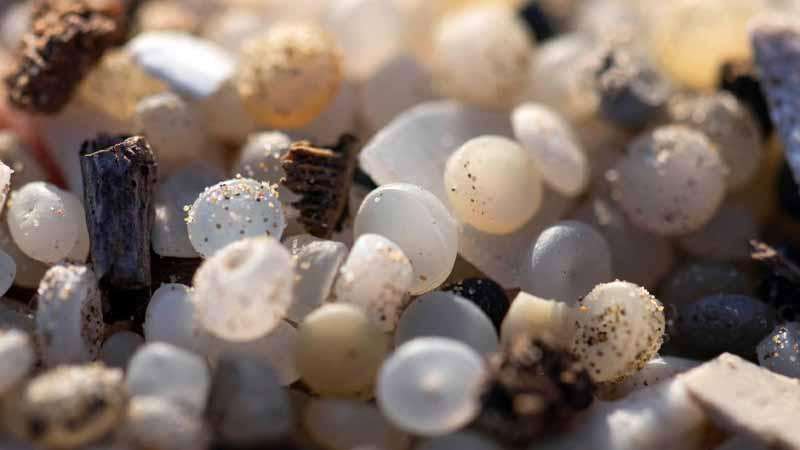
Plastic nurdles have been detected in 84% of key natural habitats surveyed across the UK. Nurdles are small plastic pellets used as the raw material for manufacturing everyday plastic goods. They were found at 168 out of 195 Sites of Special Scientific Interest (SSSIs)—locations designated for their unique wildlife and granted special protections to prevent environmental harm.
However, the environmental charity Fidra has been conducting nurdle searches at these sites since 2013, and their findings show the pellets present in the vast majority of surveyed areas.
Nurdles were also discovered in six national parks: Loch Lomond & the Trossachs, North York Moors, the New Forest, Pembrokeshire Coast, Eryri (Snowdonia), and the South Downs.
These pellets are manufactured in various facilities around the UK, such as in Grangemouth, Scotland. They are then shipped by road and sea to be melted and moulded into plastic products. Losses occur through mishandling and accidental spillage during transportation and processing. Estimates suggest that up to 53 billion nurdles escape into the UK environment annually.
The most heavily contaminated sites include the River Itchen in Southampton—especially the Chessel Bay nature reserve—and the Firth of Forth in Scotland.
Nurdles pose a serious ecological risk as they are composed of plastics that can carry toxic substances. Their small size makes them easy for animals to ingest, leading to poisoning. Over time, they degrade into microplastics, which enter the food chain and can harm both wildlife and humans.
Megan Kirton, senior project officer at Fidra, stated: “It is shocking to see nature reserve and protected areas around the UK impacted by plastic pellet pollution. These precious sanctuaries are being contaminated by preventable industrial pollution.’’
Fidra is urging governments globally to unify regulations on nurdles and enforce stricter measures to prevent spillage during production and transport. The organization is also calling on the International Maritime Organization to establish strong compulsory rules to ensure nurdles are safely shipped and not released into marine environments.



.jpeg)

