


.jpg)


.svg)
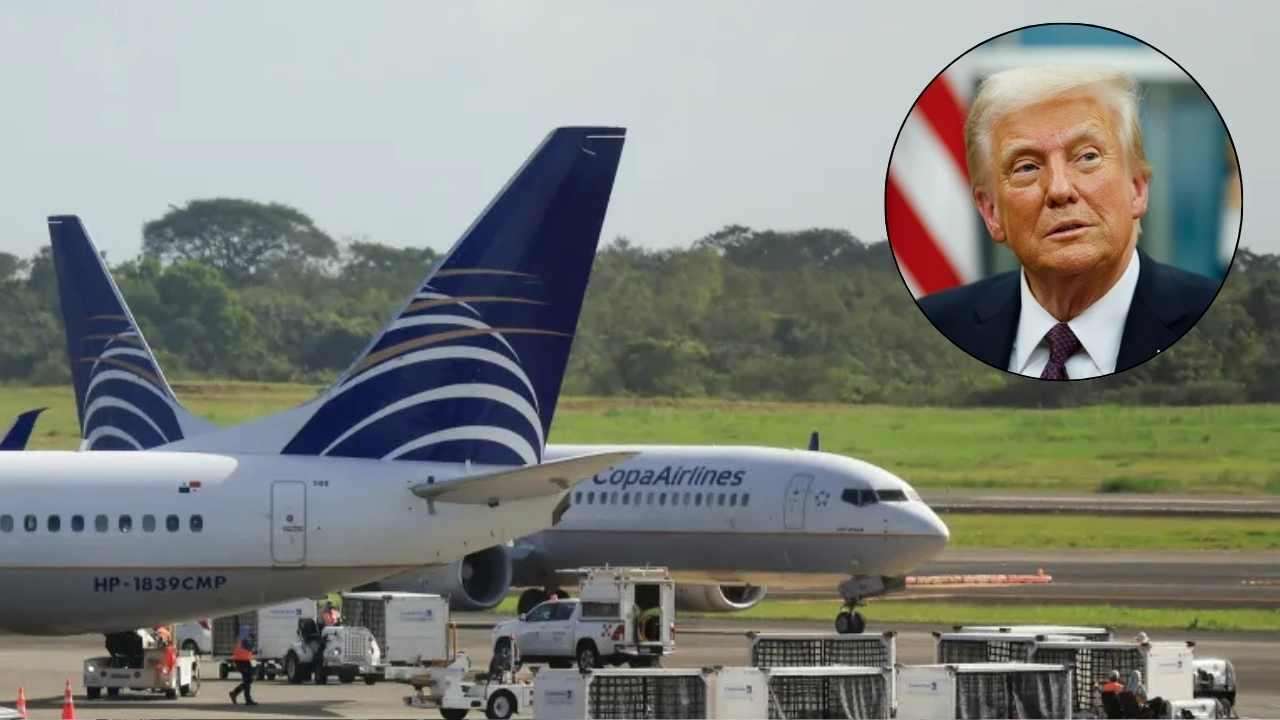
The last international airlines flying to Venezuela have suspended their routes, following U.S. President Donald Trump’s declaration that the country’s airspace is closed.
Panama’s Copa Airlines and its Colombian low-cost subsidiary Wingo announced on Wednesday evening that flights to Caracas would be halted on December 4 and 5. Similarly, Colombian state airline Satena and Bolivia’s Boliviana de Aviación cancelled flights scheduled for Thursday.
Copa and Wingo explained that intermittent problems with a navigation signal during flights to Caracas prompted the precautionary suspension, emphasizing that safety was never compromised. A spokesperson confirmed that the signal issue affected aircraft from both carriers.
Meanwhile, Satena suspended flights to Valencia, Venezuela’s third-largest city, and Boliviana cancelled its Caracas route, though neither airline has issued public statements.
With these suspensions, no international carriers are currently flying to Venezuela, although several national airlines continue to operate international routes.
The cancellations follow a 90-day warning from the U.S. Federal Aviation Administration (FAA) issued on November 21, highlighting risks for commercial flights in Venezuelan airspace due to “worsening security conditions and increased military activity,” coinciding with a U.S. military buildup in the Southern Caribbean.
On Saturday, Trump unilaterally declared Venezuelan airspace “completely closed.” Copa, Wingo, Satena, and Boliviana had been the only international airlines still operating flights to Venezuela after previous warnings.
The suspension of flights has dealt a further blow to Venezuelans abroad trying to return home for the holidays, as well as visitors now struggling to leave the country.
“Many people have expressed concerns about the flight cancellations,” said Juan Carlos Viloria Doria, vice president of Venezuelans in Barranquilla, a Colombian migrant network. “At this time of year, people want to be with their families for Christmas. It’s unfortunate that political instability has left Venezuelans facing so much uncertainty.”
Travel disruptions are particularly challenging for those inside Venezuela, who may now have to consider risky overland journeys. Viloria advised Venezuelans to plan trips carefully, coordinate with family and migrant networks, and consult official government information.
Colombia hosts the world’s largest Venezuelan migrant community, with roughly 2.8 million people, many of whom are closely watching escalating tensions between Washington and Caracas.