


.svg)
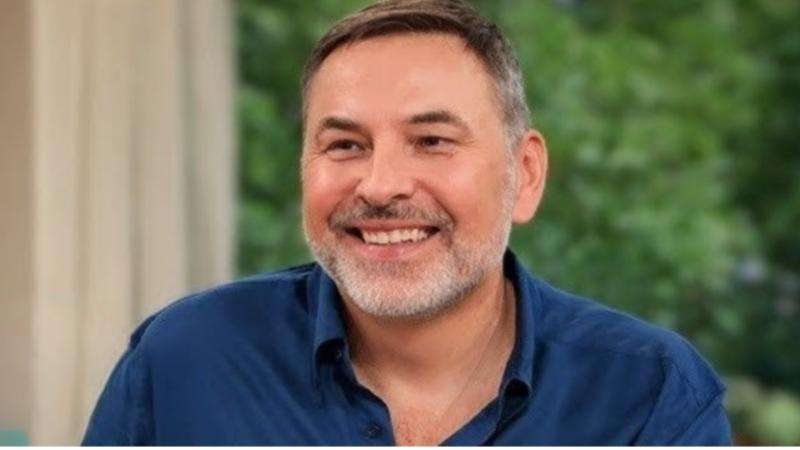
The Walliams Paradox: Why the BBC is Defying the Cancel Culture Tide-The holiday broadcast schedule is usually a sanctuary of predictability, yet this year it has become a lightning rod for institutional tension. At the center of this storm is David Walliams, the comedy mogul and children’s literary giant whose career is currently undergoing a radical bifurcation. While his longtime publisher, HarperCollins, has taken the scorched-earth approach by severing all future ties following an internal investigation into alleged "inappropriate behavior" toward female staff, the BBC has opted for a strikingly different path. The national broadcaster’s decision to proceed with its scheduled Walliams programming—including a Boxing Day appearance on Would I Lie To You? and airings of Mr. Stink and The Boy in the Dress—raises profound questions about the threshold for corporate "blacklisting" in the modern era.
To understand the Dazzling Dawn fact-check of this situation, one must look beneath the surface of the immediate headlines. The controversy is not merely about a single incident but a cumulative "toxicity" that has trailed Walliams for years. Historically, Walliams has navigated several reputational crises, most notably the 2022 leak of derogatory remarks made about Britain’s Got Talent contestants, which led to his departure from the show. However, the current rift with HarperCollins represents a shift from public gaffes to internal corporate liability. The departure of a female employee with a five-figure payout suggests a legal and financial acknowledgment of workplace friction that a simple apology cannot fix.
A deeper analysis reveals that the BBC’s refusal to pull Walliams’ content is likely rooted in a complex mix of contractual obligations and a "wait-and-see" editorial policy. Unlike HarperCollins, which deals with future intellectual property, the BBC is sitting on finished, high-value assets. Pulling these shows would not only create gaps in the Christmas lineup but could also trigger a secondary debate regarding the "erasure" of work before a legal verdict is reached. This is echoed by members of Parliament who, while questioning the BBC’s wisdom, have noted the principle of "innocent until proven guilty." Nevertheless, the BBC’s position remains precarious, especially given its apology earlier this year for a deleted scene in which Walliams reportedly gave Nazi salutes during a recording—a detail that adds a layer of cultural insensitivity to the existing allegations of misconduct.
While the verified facts center on the HarperCollins split and the five-figure settlement, the industry is currently swirling with unverified rumors that have yet to be fact-checked. Rumors suggest that additional former employees from various production sets may be preparing to come forward with similar accounts of workplace discomfort. There are also unconfirmed reports circulating in literary circles that several high-profile illustrators who previously collaborated with Walliams are privately distancing themselves from future projects. Furthermore, whispers from the Brisbane set of the film Fing suggest that Sky’s silence may be due to intense behind-the-scenes legal negotiations regarding Walliams’ role as an executive producer, though no official statement has confirmed a halt in production.
For now, Walliams remains in a state of professional limbo. He has denied all allegations of inappropriate behavior through his legal team, claiming he was never informed of the HarperCollins investigation or given a chance to respond. As he remains on a high-end retreat in the Maldives, the contrast between his tranquil social media presence and the crumbling of his professional empire in London is stark. The coming weeks will determine if the BBC’s "safe than sorry" approach—or lack thereof—will be seen as a principled stand for due process or a catastrophic misjudgment of the public mood.