





.svg)
The silence from Whitehall is becoming deafening as the physical toll of a peaceful humanitarian protest reaches a terrifying breaking point within the British prison system. In what has become the most significant hunger strike on UK soil since the 1981 IRA protests, several young British citizens are now teetering on the edge of organ failure, using the only tool they have left—their own bodies—to plead for justice and an end to complicity in global violence.
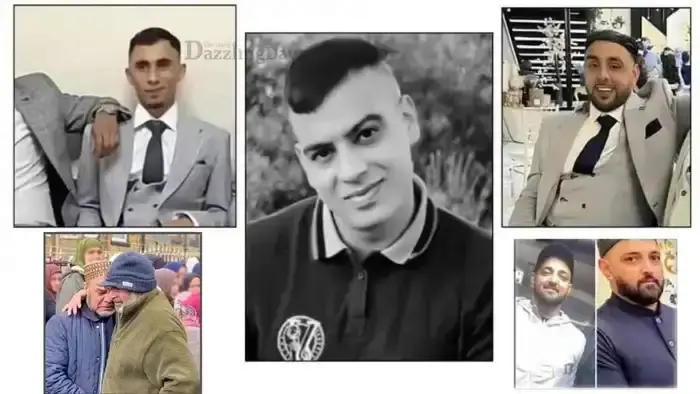
The latest reports from the front lines of this crisis are harrowing. Kamran Ahmed, a 28-year-old British-Pakistani man known for his deep commitment to community service, has been rushed to the hospital in critical condition. After 42 days without food, Ahmed began experiencing tremors he described as feeling like being repeatedly tasered, accompanied by slurred speech and acute chest pains. This marks his second emergency hospitalisation, yet his resolve to stand for the people of Palestine remains unbroken.
He is not alone in this sacrifice. Just 48 hours prior, 30-year-old Amu Gib was hospitalised after passing the 50-day mark without nourishment. Gib, an activist of mixed heritage who has long championed the rights of the oppressed, has seen his health deteriorate to the point of requiring a wheelchair, suffering from debilitating double vision and cognitive "brain fog." Alongside them, Qesser Zuhrah, a woman of South Asian descent, remains under constant medical supervision as her vital signs fluctuate dangerously.
To date, there have been eight separate hospitalisations among the group, which includes Teuta Hoxha, a 29-year-old of Albanian heritage, Heba Muraisi, and Lewie Chiaramello. These individuals, part of the "Filton 24" and "Brize Norton 4," are not hardened criminals but protesters who were remanded in custody for direct action against Elbit Systems. Many, like Teuta Hoxha, have been held for over a year without a trial. For Teuta, who is set to spend her 30th birthday behind bars this Monday, the strike is a "duty to fight freedom from oppression." Her younger sister, Rahma, describes her not as a prisoner, but as a mother figure who still calls home every day to help with homework, even as she loses the strength to stand for prayer.
The humanitarian tragedy is compounded by a legal system that appears to be moving at a glacial pace. Some of these strikers are not scheduled to see a courtroom until 2027, effectively serving years of a sentence before they have even been convicted of a crime. Their demands are rooted in basic human rights: immediate bail, fair and timely trials, and a meeting with government representatives to discuss the UK's role in hosting weapons factories.
Despite the gravity of the situation, the government’s response has been one of cold proceduralism. Lord Timpson and the Ministry of Justice have cited the "separation of powers" as a reason to decline any meetings or intervention. However, legal representatives from Imran Khan and Partners argue that this is a matter of life and death that transcends standard policy. They warn that if the Home Office and the Ministry of Justice continue to ignore the strikers' pleas, the UK will soon witness the first deaths of political hunger strikers in over forty years.
This is a peaceful protest in its most raw and painful form. These individuals are sacrificing their health to highlight a moral crisis, yet they are being met with what their supporters call "deliberate negligence." As the 66-day threshold—the point at which Bobby Sands lost his life in 1981—looms closer for some, the window for a compassionate, humanitarian resolution is rapidly closing. The question remains: will the government act to save these young British lives, or will they allow a peaceful plea for humanity to end in an avoidable tragedy?