






.svg)
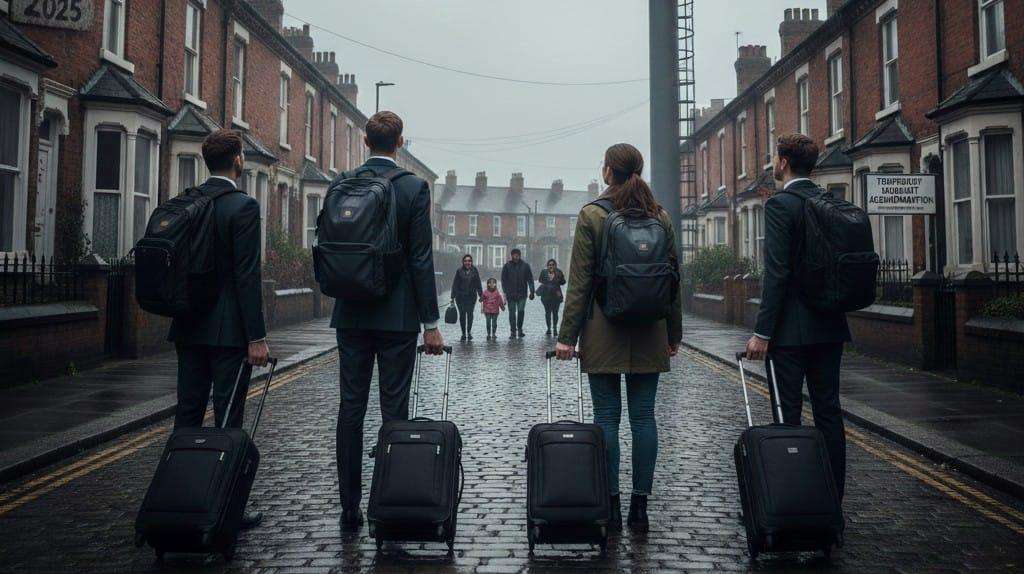
The dream of homeownership for young Britons is increasingly being replaced by a one-way ticket out of the country. As the cost of university education skyrockets and the promise of a stable career fades, a new "youth exodus" is taking hold. Recent research by the Adam Smith Institute reveals a staggering reality: over half of Britons aged 18 to 30 have considered emigrating. For many, the catalyst is not just the lack of jobs, but a housing market that feels rigged against them. While thousands of young adults remain trapped in their childhood bedrooms well into their 30s, the sight of local properties being repurposed for asylum seekers has sparked a fierce debate over national priorities.
In towns like Middlesbrough, the irony is visible on every street corner. Boarded-up houses in the town centre stand as decaying monuments to urban neglect, yet these are increasingly being snapped up by private contractors. Instead of being offered as affordable "fixer-uppers" for local first-time buyers, these properties are being utilized to house asylum seekers on behalf of the state. This shift has left many young families feeling like second-class citizens in their own communities. Critics argue that instead of concreting over the countryside, the government should be revitalizing these urban shells by offering them to young people for a nominal fee—a £1 scheme similar to successful initiatives seen a decade ago or the €1 villa programs currently revitalizing rural Italy and Spain.
The frustration is compounded by a sense of vanishing responsibility. Previous generations were able to establish roots by their early 20s, gaining a stake in society through the "weekend projects" and hard work of maintaining a first home. Today, that foundation is crumbling. As the Labour government scrambles to move migrants out of expensive hotels and into cheaper accommodation, the optics are increasingly damaging. In Welsh seaside towns and northern hubs alike, refurbished flats that could serve as the first step on the property ladder for a young couple are instead being assigned to those awaiting legal decisions. Without a radical shift in how Britain treats its young strivers, the country risks losing its most innovative and hardworking demographic to sunnier, more welcoming shores.
Dazzling Dawn Fact Check: The Reality of Migrant Housing and Benefits
To cut through the "rage-bait" and political rhetoric, it is essential to look at the official figures and legislative changes implemented throughout 2025. While the transition from hotels to private rentals is visible, the legal framework governing these placements is stricter than social media narratives often suggest.
1. Housing Eligibility and the "British Citizens First" Rule
In November 2025, Home Secretary Shabana Mahmood announced a landmark overhaul of social housing eligibility. Under these new rules, migrants are only eligible for social housing and welfare benefits once they become British citizens. This represents a significant shift; previously, those with settled status could apply. Now, the average wait for a council house for a new arrival is estimated at 10 to 20 years. For those who arrived via illegal routes, such as small boats, the wait to even apply for residency has been extended to 30 years.
2. The Hotel-to-Rental Shift vs. Social Housing
The government is currently moving asylum seekers out of hotels—which cost taxpayers approximately £145 per night—and into private rentals or repurposed military sites like the Cameron Barracks in Inverness, costing roughly £34 per night. These are temporary placements, not tenancies. Migrants do not own these homes, cannot choose their location, and have no right to remain once their case is decided. Contrary to claims of "jumping the queue," asylum seekers remain legally barred from the domestic social housing market.
3. Economic Impact and Deportation Trends
The funding for this temporary accommodation is largely being diverted from the UK’s international Aid Budget, specifically to prevent it from impacting domestic housing funds. Furthermore, Home Office data for the year ending September 2025 shows that enforced returns and deportations have risen by 22% compared to the previous year. Over 48,000 people have been returned since the current administration took office, signaling a hardening stance on immigration enforcement even as the domestic housing crisis for young Britons remains unresolved.

.jpg)



_2.jpg)