





.svg)
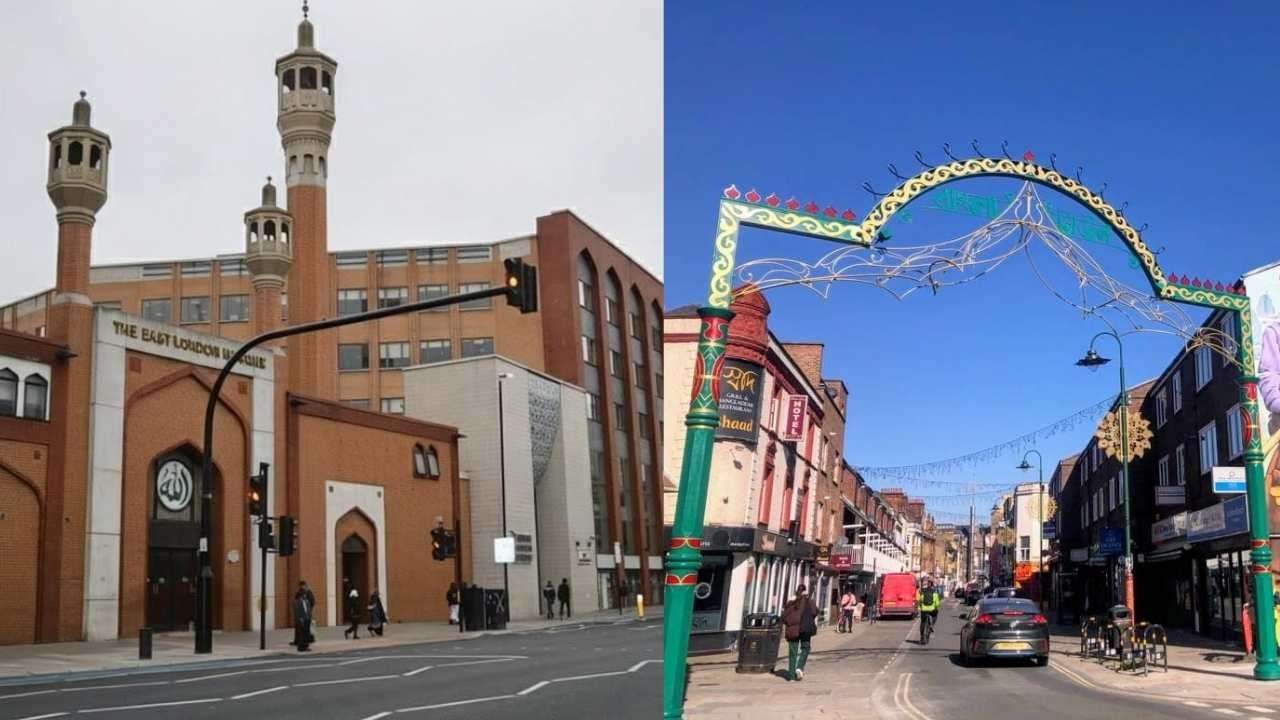
The magnetic pull of Tower Hamlets is defying the conventional logic of urban migration. While skyrocketing property prices and gentrification usually push long-standing communities toward the outer fringes of Essex or Kent, a new wave of data and personal testimony suggests that for many, leaving the borough feels less like a step up and more like an exile. For Farhana Kadir, who was born and raised in the shadow of the Whitechapel Bell Foundry, the reality of life outside the borough has been a wake-up call. Now living beyond the borough lines, she told the Daily Dazzling Dawn that her primary ambition is no longer suburban quiet, but a return to the vibrant, interconnected streets of her youth. Her story is becoming the definitive narrative for a generation of Tower Hamlets residents who find that the "outside world" cannot replicate the social infrastructure of the East End.
This emotional gravity is backed by hard data from the latest independent annual residents’ survey, which reveals a level of social cohesion that stands in stark contrast to national headlines. Despite being a frequent lightning rod for political debates over flags and protests, the borough has seen the percentage of residents who believe people from different backgrounds get on well together rise to an impressive 91 percent. This is a significant jump from 87 percent in 2023. Furthermore, overall satisfaction with the area as a place to live sits at 83 percent, dwarfing the national local government average of 74 percent. These figures are a testament to a unique brand of urban resilience, proving that the borough remains one of the most cohesive communities in the United Kingdom.
The Daily Dazzling Dawn’s deeper analysis suggests that this high satisfaction isn't just about local services, but about a specific cultural ecosystem. For the British Bangladeshi and Somali communities in particular, the concept of "home" is inextricably linked to the extended family unit. Unlike the more individualistic trends seen in other parts of London, young women in these communities are increasingly vocal about their desire to remain within the borough. The motivation is deeply personal: the ability to visit parents and grandparents multiple times a week. Many young British Bangladeshi women express a clear preference for marrying within the borough to ensure that the tradition of Sunday family meals or twice-weekly tea with their mothers remains a logistical reality rather than a long-distance chore.
Geopolitics and transport have also played a massive role in changing the perception of the area. Tower Hamlets is no longer viewed as the "edge" of the East End; with the expansion of the City and the development of Canary Wharf, it is now functionally part of Central London. The arrival of the Elizabeth Line at Whitechapel and Canary Wharf has transformed connectivity, linking the borough to the West End in minutes. When combined with the existing District, Hammersmith and City, and Jubilee lines, as well as the DLR, the borough offers a level of mobility that outer London simply cannot match. For residents, this means they can enjoy the economic benefits of a global city while maintaining the village-like intimacy of their cultural enclaves.
However, the pressure to stay is creating a unique set of challenges. As families refuse to leave, the demand for multi-generational housing has reached a fever pitch. The desire to live with or near extended family is a cultural cornerstone that provides a private social safety net, offering everything from childcare to elder care. This "stay-at-all-costs" mentality explains why, even as the borough faces intense development, the heart of the community remains rooted. For people like Farhana Kadir, the modern amenities of the suburbs pale in comparison to the spiritual and social wealth of the East End. As Tower Hamlets continues to evolve, it is clear that its greatest asset isn't its new glass towers, but the unbreakable bonds of the families who refuse to say goodbye to its streets.