


.svg)
Bulgaria is moving closer to adopting the euro in January, even as internal political instability and concerns over Russia-linked disinformation fuel public mistrust of the new currency.
The Balkan nation, home to about 6.5 million people, is set to become the eurozone’s 21st member on 1 January. Leaders in Brussels and Sofia believe euro adoption will strengthen the economy of the EU’s poorest country and reinforce its pro-Western alignment.
Millions of UK Holidaymakers Face Delays as Pressure Mounts to Pause EU Entry and Exit System
European Commission President Ursula von der Leyen has said the euro will bring Bulgaria increased trade, higher investment and better-quality jobs, leading to improved real incomes. During a recent visit to Sofia, EU economy commissioner Valdis Dombrovskis described the move as especially important amid Russia’s war in Ukraine, escalating geopolitical tensions and global economic uncertainty, stressing that European unity is more vital than ever.
He noted that most European countries, including Bulgaria, are too small to influence global affairs alone and benefit from deeper integration within the EU’s political and economic framework.
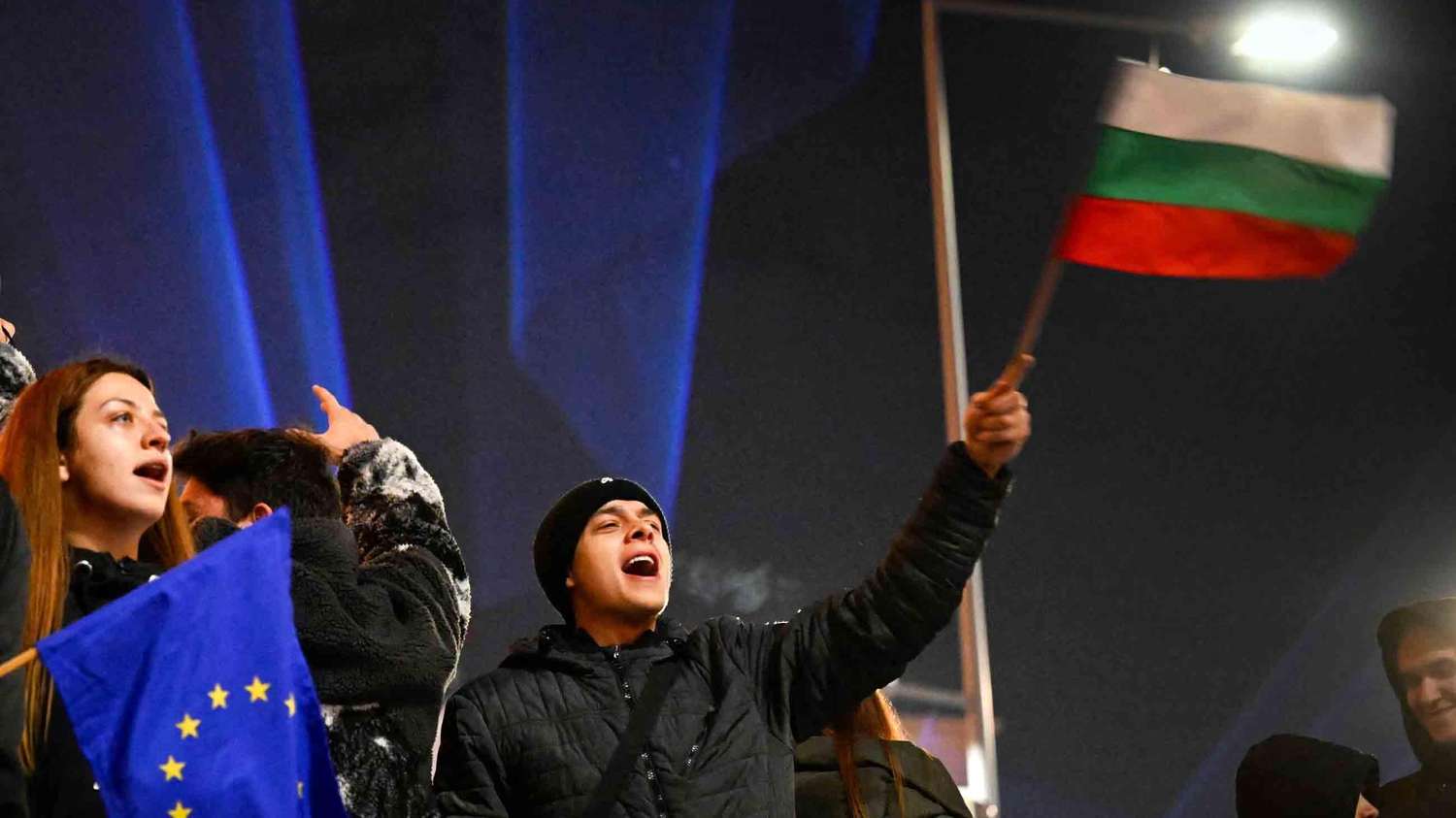
Despite these assurances, public opinion remains deeply divided. A recent finance ministry survey showed 51% of Bulgarians support euro adoption, while 45% oppose it. Tensions boiled over in June when parliament approved the move, leading to physical clashes as MPs from the far-right, pro-Russian Revival party blocked the parliamentary podium.
Petar Ganev, a senior researcher at Sofia’s Institute of Market Economics, said the euro debate reflects wider political fractures. Years of instability, corruption scandals and seven parliamentary elections in four years have eroded trust in institutions and intensified polarisation. The most recent government, led by former prime minister Rosen Zhelyazkov, resigned after less than a year following mass anti-corruption protests.
Although political turmoil is unlikely to derail the euro transition, many citizens fear rising prices. With average monthly earnings around £1,100, even small price increases could hit households hard. Rural communities and pensioners are seen as the most vulnerable, despite EU assurances that there is no evidence euro adoption leads to inflation spikes.
In Vidin, pensioners Nencho and Maya Neshev expressed anxiety over the uncertainty surrounding the changeover, questioning whether they should save levs, stock up on goods, or delay switching currencies. Others fear the loss of national identity. Elena Vasileva, a 26-year-old engineer from Hisarya, said replacing the lev—introduced in 1881—felt like erasing part of Bulgaria’s heritage.
Opposition figures have amplified fears. Victor Papazov, an economist advising the anti-EU Revival party, warned that euro adoption could trigger a crisis similar to Greece’s, arguing there were no real benefits. Revival leader Kostadin Kostadinov has also drawn criticism for falsely claiming Bulgarians would lose their savings after switching currencies.
Investigations have revealed that Russian-linked social media networks have spread disinformation aimed at weakening public support for the euro. Dombrovskis said it was well known that Russia is conducting a hybrid campaign against Europe through disinformation, political interference and other destabilising actions.
Despite ongoing protests and widespread concerns, many Bulgarians remain optimistic about adopting the euro. Maria Valentinova, a 35-year-old pharmacist from Sofia, said she believes the new currency will benefit the country’s economy over the long term. She added that she was pleased her six-year-old son would grow up in a nation that is part of the eurozone.
Bulgaria will allow payments in both the lev and the euro until 31 January, after which only euro payments will be accepted. Valentinova admitted the transition period felt “somewhat stressful” and raised practical concerns, but she remained confident, saying the change would ultimately prove positive.
Petar Ganev also expressed confidence in the process, suggesting the switch would be relatively seamless and that citizens would adapt to the euro within a few weeks. He noted that whether Bulgaria becomes a strong or weak example within the eurozone would ultimately depend on the choices and actions of its own people.