



.svg)
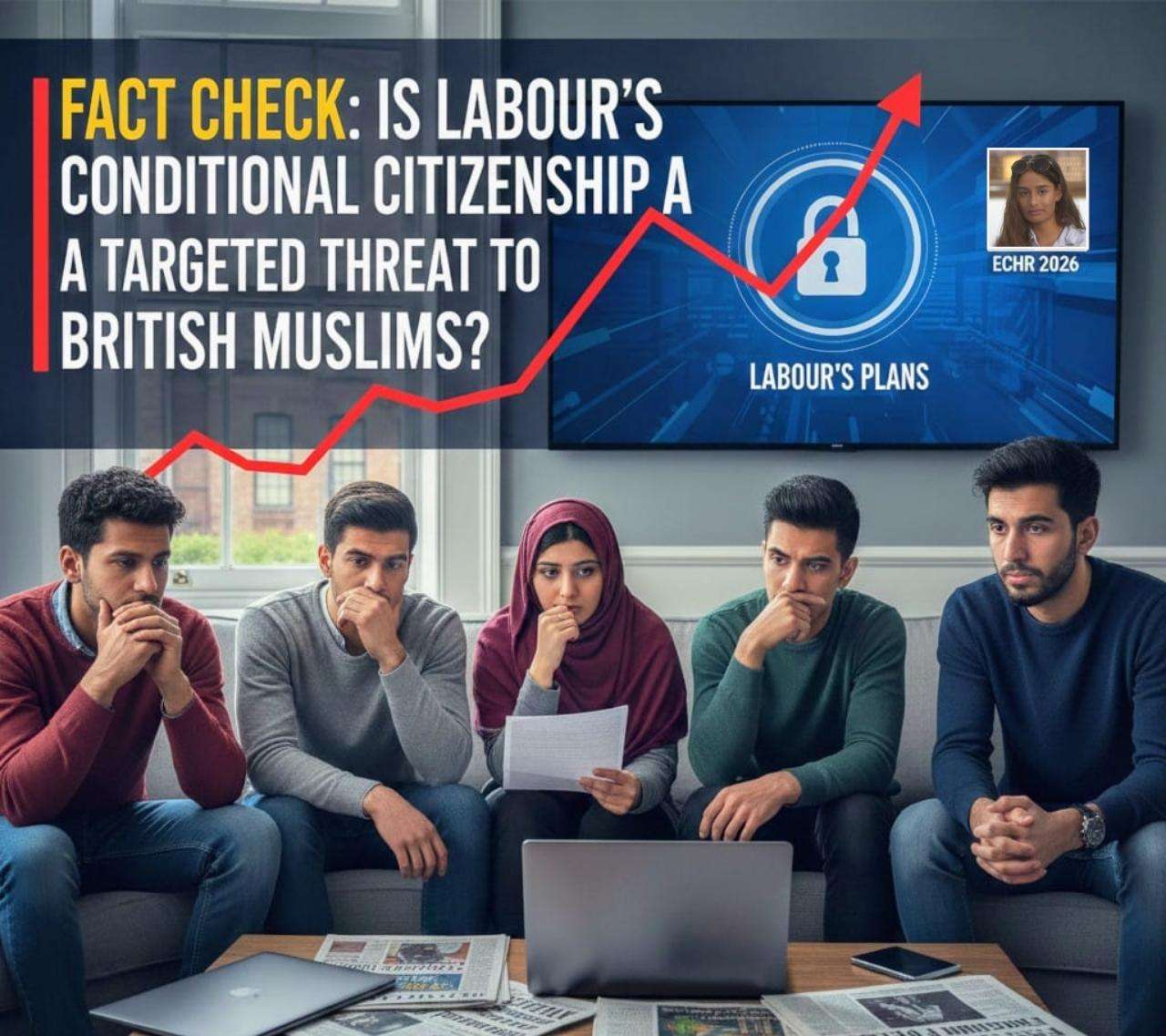
Recent debate around Labour’s immigration and citizenship policies has sparked urgent questions about whether ethnic minority communities – particularly British Muslims – face targeted threats to their status in the UK. With reports highlighting up to 9 million people at risk of losing citizenship due to dual nationality eligibility, and fresh far-right violence targeting Muslim areas following the Southport attack in late 2025, concerns over conditional belonging have moved from academic research to mainstream public discourse. Daily Dazzling Dawn fact check examines whether these fears are grounded in reality, how Labour’s plans are being implemented, and what a potential Reform UK government could mean for citizenship rights.
Is The Threat Specifically Targeted At Muslims? Evidence From Data & Policy
Analysis of citizenship stripping powers introduced since 2002 confirms that British Muslims are disproportionately affected, with Institute of Race Relations research showing almost all cases involve people of South Asian or Middle Eastern heritage. Before 2003, no citizenship had been removed for 30 years, but since then at least 217 removals have been authorised – 104 of these in 2017 alone following the collapse of ISIS in Syria. The legal framework underpinning these powers, particularly Section 40(2) of the British Nationality Act 1981 as amended post-9/11, uses vague criteria like acting “conducive to the public good” that allow for broad discretion. While the government claims powers are only used for national security or serious crime, many individuals have been stripped of citizenship without criminal convictions. The case of Shamima Begum, whose citizenship was revoked in 2019 and whose case is now under review by the European Court of Human Rights as of January 2026, has become a focal point for these concerns, with many in the British Bangladeshi Muslim community viewing it as a warning that their status could be revoked at any time.
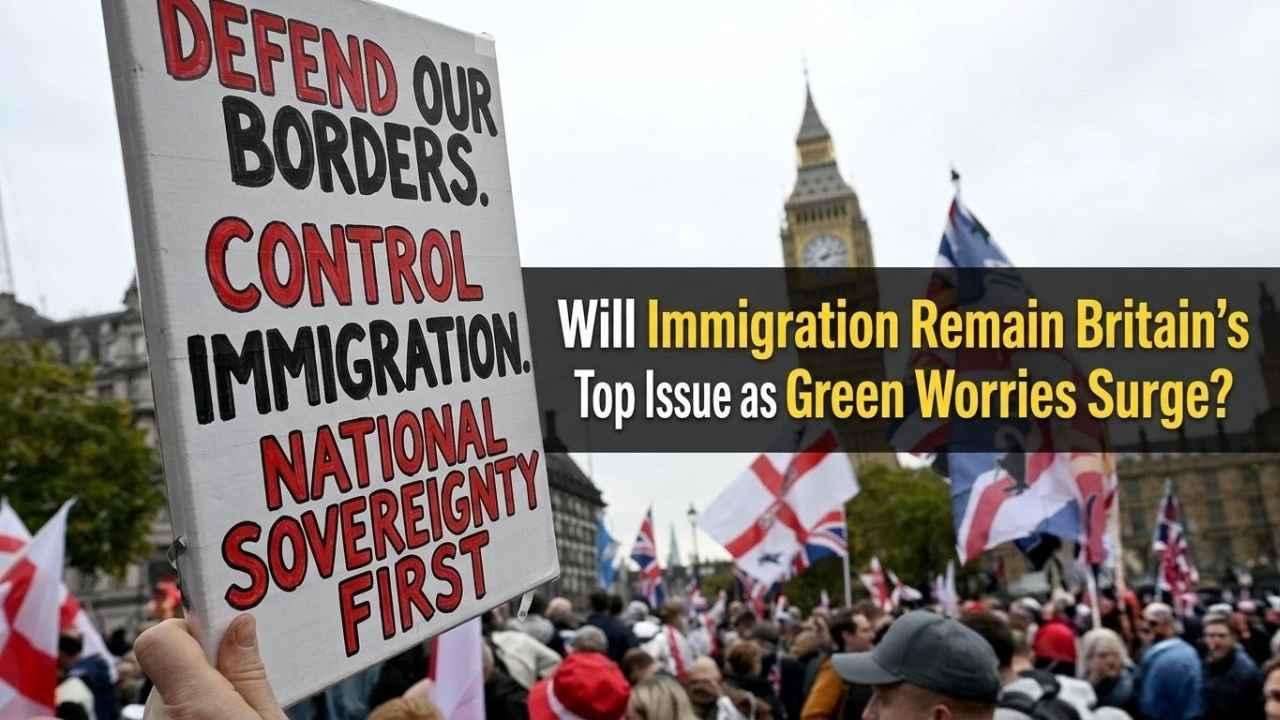
This targeting is further amplified by the far-right’s exploitation of immigration discourse, as seen in the Southport unrest where false claims linking a local attacker to Islam led to mosques being targeted across Merseyside, London and Hartlepool. Over 50 police officers were injured in clashes, and more than 100 people were arrested, with Muslim leaders reporting a surge in security requests from over 100 mosques nationwide. The Muslim Council of Britain has stated that such violence reinforces the message that ethnic minority citizens are “not truly British”, aligning with the two-tier citizenship regime identified in the Reprieve and Runnymede Trust’s ‘Stripped’ report.
Labour’s Plans: Is Conditional Citizenship A Reality In Practice?
Labour’s immigration reforms, unveiled in May 2025 and expanded in January 2026, have moved beyond campaign proposals to active policy implementation. The new contributions-based model replaces automatic five-year settlement with a 10-year pathway to citizenship, though high-skilled workers like nurses, doctors and engineers can be fast-tracked. Home Secretary Shabana Mahmood has also introduced Denmark-style measures including withholding valuables from asylum seekers and raising English language requirements to B2 level (equivalent to A-Level standard) for all skilled visa routes from 8 January 2026. For asylum seekers, the government has confirmed a 30-year wait for citizenship eligibility, a policy that campaigners argue disproportionately affects Muslim-majority refugee communities.
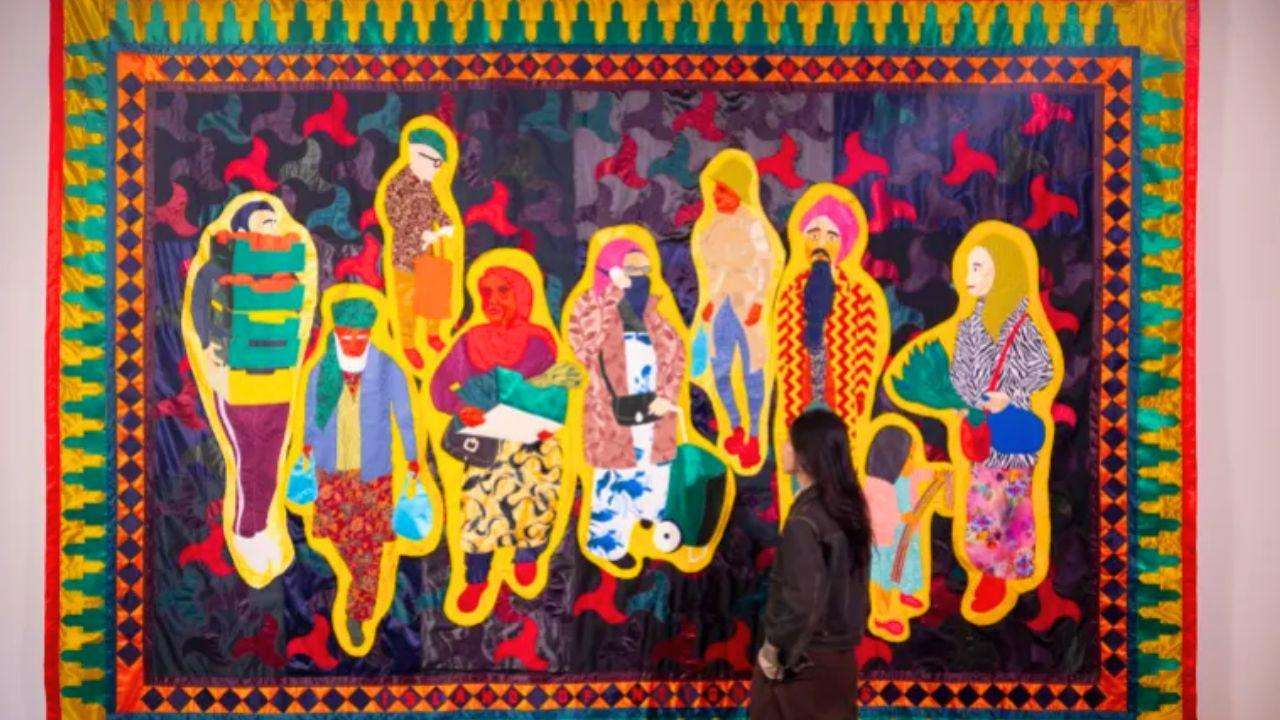
Academic research conducted by Dr Fatima Rajina and Dr Victoria Redclift across Luton, London and Birmingham predates these latest reforms but captures growing anxiety on the ground. While older generations of British Bangladeshis often view the UK as their permanent home, younger respondents – many born and raised in Britain – are actively preparing “Plan B” arrangements by reinvesting in family assets in Bangladesh. These concerns have been reinforced by Labour’s focus on “earning” citizenship rather than recognising it as a right, with Prime Minister Keir Starmer stating that living in the UK is a “privilege that must be earned”.
What If Reform UK Comes To Power? Policy Positions & Potential Impact
While Reform UK has not published a full citizenship policy, the party’s public statements on immigration signal a hardening of positions on conditional belonging. Leader Nigel Farage has repeatedly called for stricter controls on dual nationality holders and has criticised Labour’s reforms as “too soft” on immigration. The party has advocated for a return to birthright citizenship only for those with at least one British parent, a policy that would reduce access to citizenship for many children of migrant families – including large numbers of British Muslims. Reform UK has also expressed support for expanding citizenship stripping powers to include individuals deemed to “undermine British values”, a proposal that campaigners warn could be used to target minority communities further.
Additionally, the party has pledged to withdraw from the European Convention on Human Rights, which would remove oversight mechanisms like the current ECHR review into Shamima Begum’s case. This could allow for even greater discretion in citizenship decisions, with fewer legal safeguards for those at risk of losing their status.
Conclusion: Fears Are Grounded – But Resistance Is Growing
The evidence confirms that conditional citizenship poses a real and disproportionate threat to British Muslims, with policy, data and far-right activity all reinforcing the idea of a two-tier system. Labour’s reforms have institutionalised many of these conditions, while a potential Reform UK government could expand them further. However, resistance is also growing: communities are organising to protect their rights, and cross-faith solidarity actions – like residents guarding Liverpool’s Abdullah Quilliam Mosque during the Southport unrest – demonstrate widespread public opposition to divisive policies. As the ECHR prepares to rule on the Begum case later this year, the future of citizenship rights in the UK will be shaped not just by political decisions, but by whether society is willing to challenge the idea that belonging can be revoked based on heritage or faith.
(Portions of this report draw inspiration from the writings of Fatima Rajina.)