






.svg)
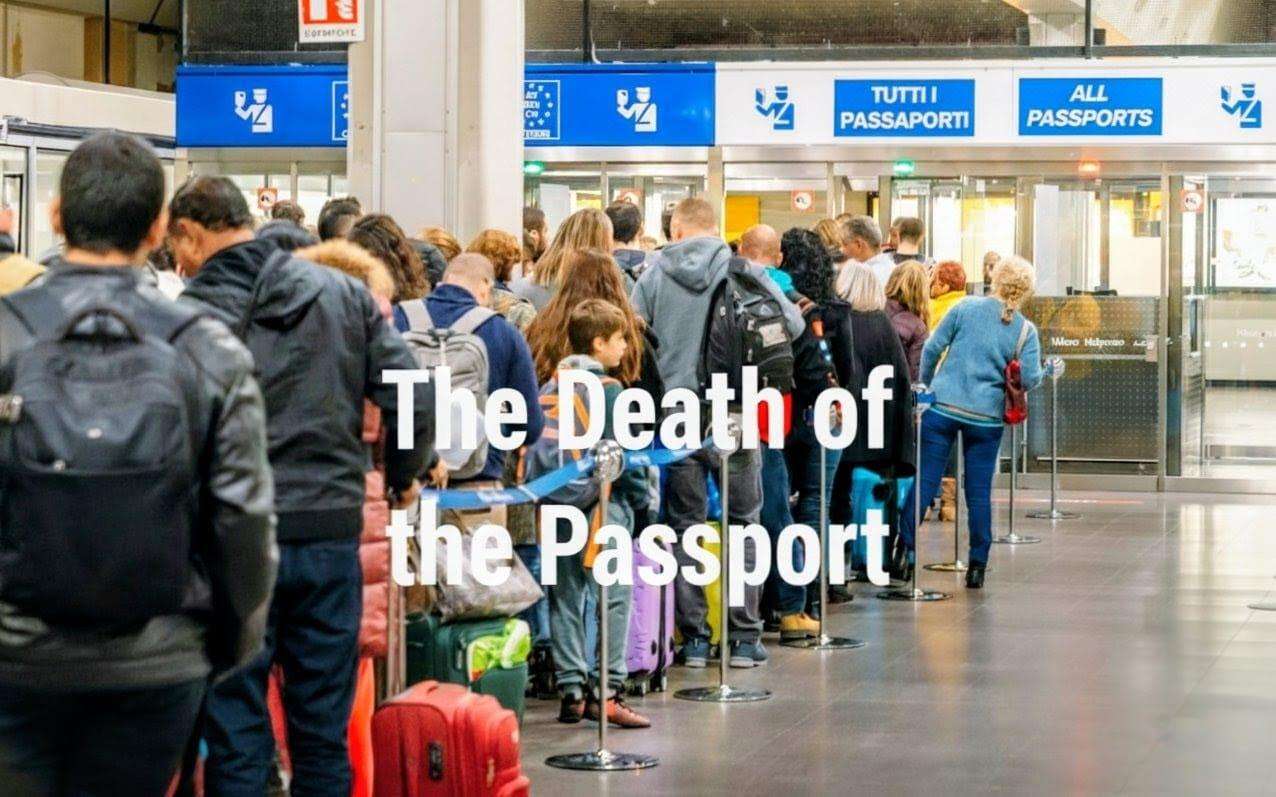
The era of seamless international travel has met a digital dead end. In 2026, the traditional passport stamp is becoming a relic of the past, replaced by an aggressive network of electronic authorizations and biometric databases. For the unsuspecting traveler, these "invisible" walls are proving more difficult to navigate than any physical gate. Since the beginning of the year, governments have moved from trial phases to zero-tolerance enforcement. Today, missing a single digital registration doesn't just result in a reprimand—it triggers an immediate "no-fly" order from the airline, leaving passengers stranded at the gate with no recourse for refunds.
The UK’s Total Digital Lockdown
The United Kingdom has officially completed its transition to a fully digitized border. As of February 25, 2026, the Electronic Travel Authorisation (ETA) is a strict legal requirement for all non-visa nationals, including visitors from the US, Canada, and the European Union. Carriers are now fined heavily for boarding anyone without a digital link to their passport. While the £16 permit is valid for two years, thousands of travelers have already been caught out by a critical technicality: the ETA is tethered to a specific passport number. If you renew your passport, your ETA expires instantly, regardless of the date printed on the authorization.
Europe’s Biometric Revolution
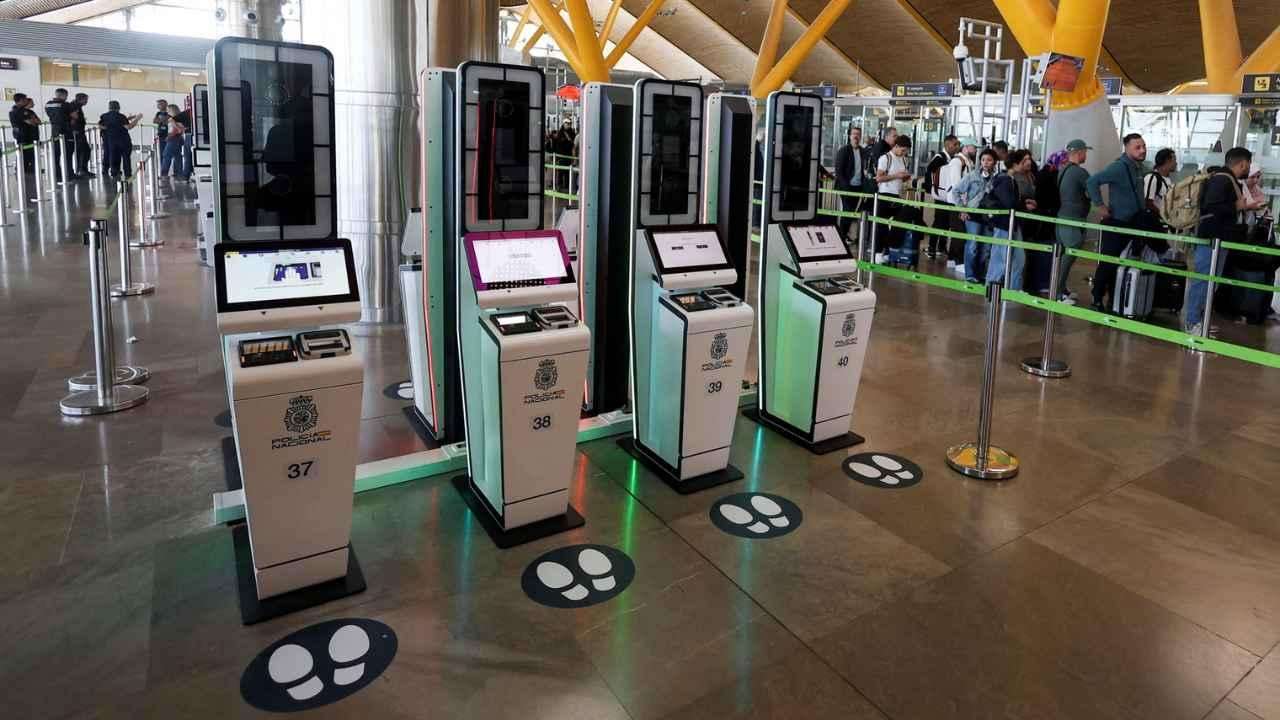
Travel to the Schengen Area has seen its most radical shift in decades. The Entry/Exit System (EES) is now the standard across 29 European countries, replacing manual ink stamps with mandatory facial recognition and fingerprinting at every entry point. While designed to streamline security, the rollout has caused significant congestion at major hubs like the Port of Dover and Paris Charles de Gaulle. Adding to this complexity is the looming launch of the ETIAS (European Travel Information and Authorisation System) in late 2026, which will introduce a €7 security fee and a pre-screening process for all visa-exempt visitors.
The Invisible Trap of Airside Transit
A growing number of holidaymakers are finding their trips ruined during layovers. Many nations have tightened "airside" transit rules, meaning you may need a digital permit even if you never intend to leave the airport terminal. In the UK and Australia, if a connection requires a change of terminal or a baggage re-check, an ETA is mandatory. Travelers booking "self-transfer" tickets through discount sites are at the highest risk, as these bookings often technically count as a formal entry into the country during the connection.
Zero Margin for Administrative Error
The digital age has removed all human discretion from the border process. Modern systems use automated "suitability" algorithms that scan global databases in real-time. A simple typo in a passport number or the failure to disclose a minor, decades-old legal incident can lead to an automated, irreversible rejection. Unlike traditional visa applications, there is rarely a pathway for an immediate appeal. A rejection usually necessitates a full consular visa application, a process that can take months and cost hundreds of dollars, effectively terminating any immediate travel plans.
The Dual Nationality Crisis
A specific and rising crisis has emerged for dual citizens. British-Australian or British-American travelers attempting to enter the UK on their non-British passport without a valid ETA are being systematically blocked by airline check-in systems. The Home Office has issued a final directive: dual nationals must travel on their British passport or possess a formal "Certificate of Entitlement." The old strategy of "explaining it to the officer at the border" is no longer possible, as the digital gatekeepers at the airport check-in desk will flag the missing authorization before the passenger can even clear security.



.jpg)