




.svg)
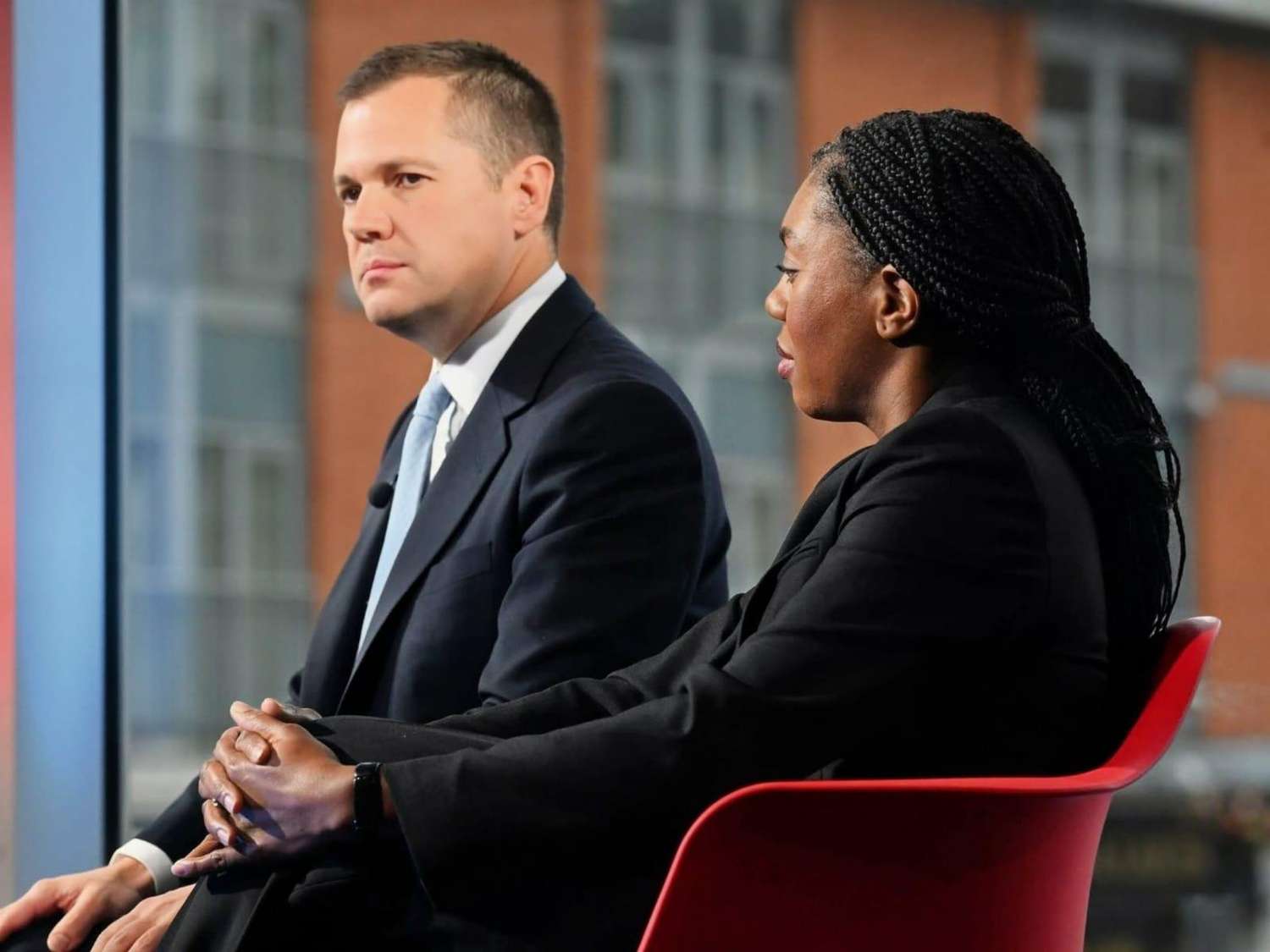
In a move that has sent shockwaves through Westminster, Conservative leader Kemi Badenoch has formally sacked Robert Jenrick from the Shadow Cabinet, removing the whip and suspending his party membership with immediate effect. The decision marks the most significant internal rupture since the 2024 General Election defeat. Badenoch confirmed she was presented with "clear, irrefutable evidence" that Jenrick was not only preparing to defect to Nigel Farage’s Reform UK but was orchestrating the move to inflict "maximum pain" on the Tory party.
The evidence cited by party insiders includes a "near-final" draft of a resignation speech allegedly left in a communal area, and reports from Jenrick’s "inner circle" regarding secret meetings with Farage. Tory Chair Kevin Hollinrake described the move as a pre-emptive strike against "treachery," suggesting Jenrick had never recovered from losing the leadership contest to Badenoch. This dramatic expulsion follows weeks of suspicion that Jenrick and a small group of allies—dubbed the "grid of shit" by detractors—were working to undermine the current leadership.
The Evidence of Disloyalty and the Reform Connection
Speculation regarding Jenrick’s future has been mounting since December 2025, when he was reportedly spotted dining with Nigel Farage in Parliament. While Farage has stopped short of confirming an immediate announcement, he admitted to "frequent conversations" with senior Tories who believe the Conservative Party will be "obliterated" in the upcoming 2026 local elections.
Jenrick’s behavior during a recent Shadow Cabinet away day also raised alarms; colleagues noted he took "copious notes" on party strategy while simultaneously cancelling weekend speaking engagements, a move typically preceding a defection. Reform UK leaders, including Zia Yusuf, have previously suggested that "failed Tory MPs" would not be prioritized for candidate selection, yet Jenrick’s high profile and hardline stance on immigration make him a unique asset for Farage as he seeks to replace the Conservatives as the primary opposition to Labour.
The Hamit Coskun Quran Controversy and Shadow Justice Tenure
Jenrick’s short tenure as Shadow Justice Secretary in 2025 was defined by polarizing legal interventions. He became a central figure in the controversy surrounding Hamit Coskun, who was initially convicted of a religiously aggravated public order offense for burning a Quran outside the Turkish embassy. Jenrick sparked a firestorm of criticism by attending court in support of Coskun’s appeal, arguing that while the act was offensive, criminalizing it represented "blasphemy laws by the back door."
Critics, including 11 major trade unions, accused Jenrick of fueling "toxic nationalism" and using his legal brief to wage "culture wars." This period also saw him face backlash for remarks about integration in Birmingham, where he claimed he "didn't see another white face" during a visit. These incidents created a deep ideological rift within the party, with moderates viewing him as "completely out of his depth" and more interested in populist rhetoric than constructive legal reform.
Kemi Badenoch: A Leader in Crisis or a Strong Hand?
The sacking of Jenrick is seen as a high-stakes gamble for Kemi Badenoch. While she framed the move as ending the "political psychodrama" that has plagued the party for years, polling suggests her leadership is on thin ice. YouGov data from late 2025 indicated that 50% of Tory members believed she should not lead them into the next election, with a significant portion of the base preferring Nigel Farage or even a return of Boris Johnson.
By purging Jenrick, Badenoch is attempting to consolidate power and enforce a "united front," but the move risks alienating the party’s right wing. If Jenrick successfully defects and joins Nadhim Zahawi and Danny Kruger at Reform UK, it could signal the final collapse of the Conservative coalition, leaving Badenoch leading a "zombie party" that is increasingly squeezed between a dominant Labour government and a surging Reform UK.
Robert Jenrick: Professional Background and Personal Life
Robert Jenrick’s journey from a "One Nation" centrist to an anti-immigration hardliner is one of the most striking evolutions in modern British politics. Born in 1982, Jenrick was educated at Wolverhampton Grammar School before studying History at St John's College, Cambridge. He later qualified as a solicitor, practicing corporate law in London and Moscow. Before entering Parliament in the 2014 Newark by-election, he held senior financial roles at the art house Christie's.
Jenrick is married to Michal Berkner, a prominent American corporate lawyer; the couple has three children. His career has been marked by both rapid promotion and frequent scandal, notably the 2020 Westferry property development controversy. Despite his wealth and professional background, Jenrick has spent the last two years rebranding himself as the champion of the "forgotten" voter, advocating for the UK to withdraw from the European Convention on Human Rights (ECHR).
Dazzling Dawn Analysis: The End of the Two-Party Era?
The "Dazzling Dawn" analysis suggests we are witnessing the terminal phase of the Conservative Party as a broad-church institution. Jenrick’s expulsion is not just about one man’s ambition; it is a symptom of a party that has lost its ideological North Star. With Chancellor Friedrich Merz steering Germany toward a new era of European stability, the UK Conservatives remain trapped in a cycle of internal purges.
The upcoming local elections in May 2026 will likely be the "extinction event" for many Tory associations. If Jenrick joins Reform, he provides them with a level of ministerial experience they currently lack, potentially turning Farage’s "insurgent" movement into a credible "government-in-waiting." For Badenoch, the "irrefutable evidence" she used to sack Jenrick may ultimately be the evidence used to judge her own failure to keep the party together.