




.svg)
The fate of 26-year-old Shamima Begum hangs in a precarious balance today as the Syrian landscape shifts and a final legal battleground opens in Europe.
The Siege of Al-Roj and the Threat of Chaos
As of January 2026, the al-Roj detention camp where Shamima Begum has spent years is no longer the "stable" prison it once was. Following a rapid offensive by government forces led by Ahmed al-Sharaa, the US-backed Kurdish forces (SDF) have begun to lose their grip on the region. Reports from Monday indicate violent clashes outside three major detention facilities, with dozens of militants already fleeing into the desert. For Begum, this chaos presents a double-edged sword: the potential for a forced "release" into a war zone where she has no protection, or falling into the hands of a new Syrian regime whose stance on foreign IS associates remains dangerously unpredictable. Regional experts warn that if these camps collapse in a disorderly fashion, the British women and children held there will be in grave danger from both extremist remnants and the crossfire of a new civil war.
A Mother’s Grief and a Family’s Desperate Plea
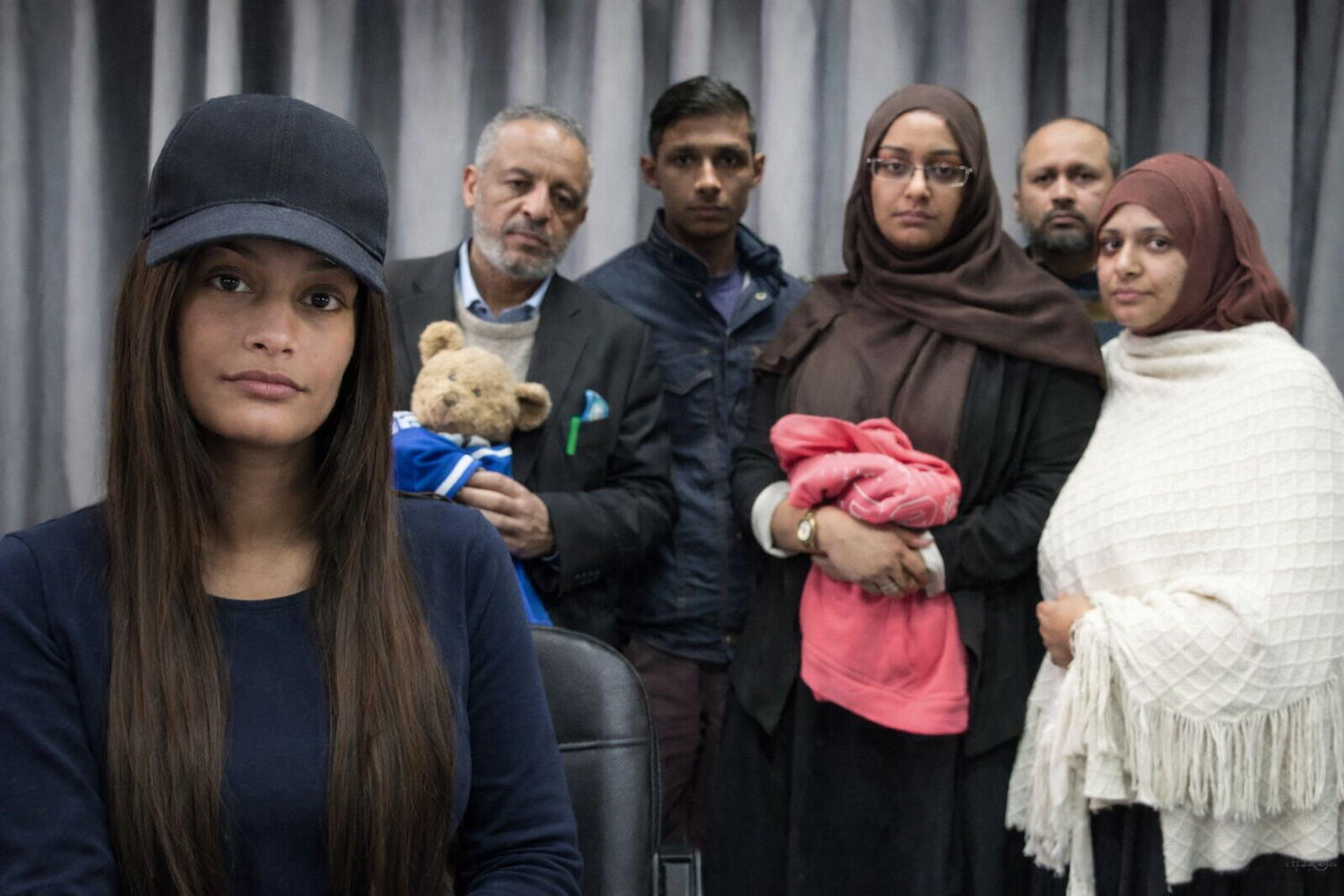
In the heart of Bethnal Green, the silence in the Begum family home is heavy with years of mourning. Her family members, who have already endured the loss of Shamima’s three infant children in the camps, have issued a renewed and emotional plea to the UK Government. They are not asking for a pardon, but for a trial. The family’s legal representatives have emphasized that the family is "heartbroken" and "exhausted" by the state of limbo. They urge the Home Office to recognize that she was a 15-year-old schoolgirl when she was groomed and trafficked. Her sisters and mother have consistently argued that she should be allowed to return to London to face the "full rigors of British justice" rather than being left to die in a collapsing desert prison. Their plea is one of accountability and mercy, asking the UK to take responsibility for its own citizens, however flawed their past.
The Sylheti Roots and the Rejection by Bangladesh
The legal cornerstone of the UK’s decision to strip Begum’s citizenship was the claim that she held dual nationality through her parents' Sylheti roots. However, the government of Bangladesh has remained steadfast and cold in its rejection. Dhaka has repeatedly clarified that Begum is not—and has never been—a citizen of Bangladesh. Officials in Dhaka have stated clearly that she has no relation to the country, has never visited her ancestral home, and would not be permitted to enter. This leaves Begum in a state of effective statelessness, a condition that her lawyers argue is a violation of international law. The technicality that she "could" have applied for citizenship before the age of 21 has now lapsed, leaving her with no legal home on either continent.
The ECHR Schedule: A Critical Legal Breakthrough
In a major update for January 2026, the European Court of Human Rights (ECHR) has officially fast-tracked the case Begum v. the United Kingdom. On January 6, 2026, the court's Registrar issued a formal notification to the UK Government, demanding a response to four critical questions regarding her trafficking status. While a specific public hearing date for oral arguments is typically set after the Government’s formal submission—expected by Spring 2026—the court has already placed the case on its active list. This follows the 2024 exhaustion of UK domestic appeals, meaning the Strasbourg court is now her final hope. If the court rules that the UK failed in its "positive obligation" to investigate her as a trafficking victim under Article 4, the Government may be legally compelled to facilitate her return.
What Lies Ahead for the Tower Hamlets Girl
The window for a controlled repatriation is closing fast. As Syrian government forces take control of cities like Raqqa, the "ticking time bomb" of the detention camps is closer to detonation than ever. Former British security officials, including Sir Peter Fahy, have warned that leaving British nationals in these camps is a long-term security risk. While the UK Government maintains that Begum poses a national security threat, the shifting sands of Syrian power may soon leave them with no choice but to act. Whether she returns in a police van to a high-security prison or vanishes into the chaos of a collapsing regime remains the ultimate, haunting question for 2026.