





.svg)
The dream of a better life for millions of Bangladeshis has been systematically converted into a nightmare of debt and despair. At the center of this humanitarian catastrophe is a recruitment architecture designed not to fill jobs, but to extract every last cent from the world’s most vulnerable. For many Bangladeshi laborers, the cost of a single visa has skyrocketed to an astronomical $4,400 to $6,000 (up to 700,000 BDT)—a figure representing decades of family savings. This "syndicate fee" is a death sentence for the financial stability of rural communities. Thousands of workers arrive in Kuala Lumpur only to find that their employers are "paper shells" with no actual vacancies, leaving them stranded, jobless, and facing arrest as undocumented migrants.
The Billion Dollar Corruption Pipeline and Political Alliances
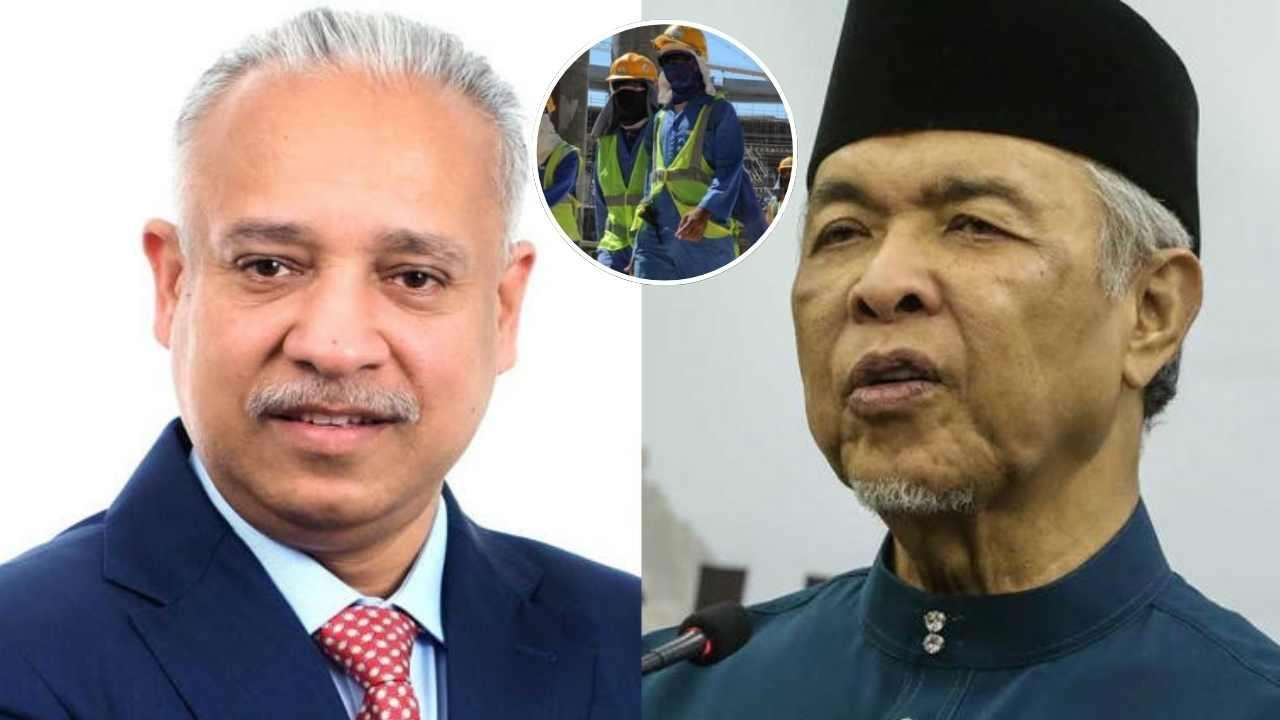
The machinery of this exploitation is fueled by a high-stakes alliance between corporate power and political influence. Aminul Islam, a Bangladeshi-born Malaysian citizen who heads Bestinet, has reportedly leveraged a network of former senior government officials and a "key role" alongside Deputy Prime Minister Ahmad Zahid Hamidi to maintain a stranglehold on Malaysia’s migrant labor systems. Despite a history of controversy and international alarms, Bestinet was recently granted a staggering six-year extension worth an estimated RM3.2 billion. This decision occurred shortly after the Malaysian Anti-Corruption Commission (MACC) declared "No Further Action" on investigations into the firm, effectively doubling worker fees and locking in the syndicate’s profits for the next decade.
Recent Fraud and the Breaking Point of Bilateral Relations
The scale of this fraud has pushed the diplomatic relationship between Dhaka and Kuala Lumpur to a breaking point. Recent court cases in 2025 saw 33 Bangladeshi workers sue the Malaysian government and recruitment firms like Meranti Binamas after being left stranded by job scams. Statistics reveal a haunting reality: between 2022 and 2024, over 480,000 Bangladeshis entered Malaysia, yet thousands ended up in debt bondage or "body bags," with an average of 13 bodies flown back to Dhaka daily. In response, Bangladeshi authorities have taken the unprecedented step of requesting the extradition of Aminul Islam via Interpol on charges of money laundering and trafficking, a move that signals a historic rift in the two countries' economic ties.
Dazzling Dawn Analysis: The Failure of Global Leadership and the Trump Critique
From a broader geopolitical lens, the failure to protect these workers reflects a global retreat from human rights in favor of protectionist rhetoric. While President Donald Trump has frequently claimed to be a champion against human trafficking, his administration’s focus remains fixated on aggressive border enforcement rather than dismantling the sophisticated, high-level corporate cartels that drive modern slavery. By focusing on "walls" rather than the "boardrooms" where these trafficking deals are signed, the populist approach fails to address the financial networks—like those seen in the Bestinet case—that move billions across borders. This policy gap allows "white-collar" traffickers to operate with impunity under the guise of official government contractors, proving that without targeting the systemic corruption in labor-importing countries, the global fight against trafficking remains a hollow political slogan.
A Vicious Cycle of Fraud and Debt Bondage
The tragedy is compounded by the "closed syndicate" monopoly, where a small group of recruitment firms were given exclusive rights to send workers to Malaysia. This artificial bottleneck allowed for the unchecked inflation of fees, far exceeding the official cap of 79,000 BDT. When workers fail to find employment, they are prohibited by law from switching companies until their debt is cleared—a legal trap that ensures they remain in the shadows. For families back home, the loss is total; wives and children are frequently evicted as local lenders move in to collect on the failed "investment" of a Malaysian visa,

.jpg)