




.svg)
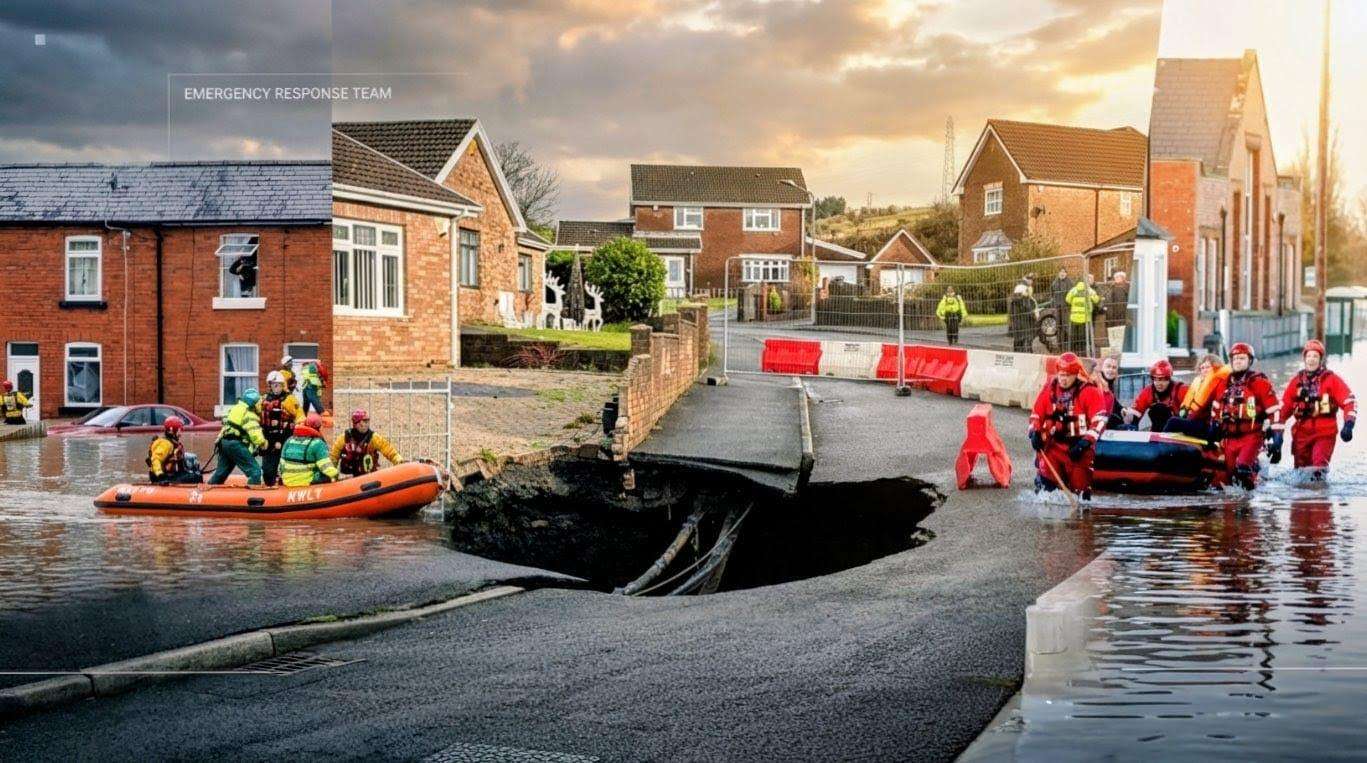
While Westminster has historically treated flooding as a seasonal nuisance, the economic reality of 2026 has shifted from manageable risk to systemic failure. Leading climatologists at Newcastle University have confirmed a terrifying trend: the intensity of rainfall currently battering the South West was not projected to arrive until the mid-2040s. We are effectively living through a "climate time-jump," where 3 million Olympic-sized swimming pools of extra water are falling on British soil annually. This isn't just an environmental crisis; it is an unmitigated drain on the UK’s GDP. The saturation of the Somerset Levels and the repeated battering of Cornwall by Storms Ingrid, Goretti, and Chandra have created a "perma-flood" state that halts local commerce, severs supply chains, and destroys productivity before the economy has a chance to breathe between disasters.
The Infrastructure Funding Gap and Devalued Assets
The true cost of the current flooding crisis is buried in the Environment Agency’s balance sheets. A staggering £34 million budget shortfall has forced the abandonment of 500 critical flood defense projects, leaving over 6 million properties—a number set to rise to 8 million by 2050—exposed to total asset devaluation. In regions like Moorland and Taunton, homes that were once stable investments are becoming "uninsurable liabilities." When a community is cut off for days, the loss isn't just in property damage; it’s in the collapse of small businesses, the surge in emergency service costs, and the long-term mental health toll that reduces workforce participation. Britain is currently funding its defenses as if the threat is a distant future problem, yet the economic hemorrhage is happening in real-time.
Managed Retreat or Total Abandonment
We are reaching a tipping point where "resilience" is no longer a viable buzzword. The Somerset Rivers Authority has begun to signal the unthinkable: the potential abandonment of entire settlements within the next two decades. From an economic standpoint, the cost of "flicking the switch" on high-volume pumps and maintaining Victorian-era drainage systems is starting to outweigh the perceived value of the land they protect. As flash floods begin to strike "low-risk" areas with outdated drainage, the volatility of the UK property market is set to spike. If the government continues its reactive, short-term funding cycles, the UK faces a future where geography dictates poverty, and the cost of treading water becomes the single largest barrier to national economic growth.