

.svg)
The bullet that killed Saif al-Islam Gaddafi in Zintan didn't just silence a man; it shattered a decade of secrets and a clandestine bid for power that reached the highest levels of global diplomacy.
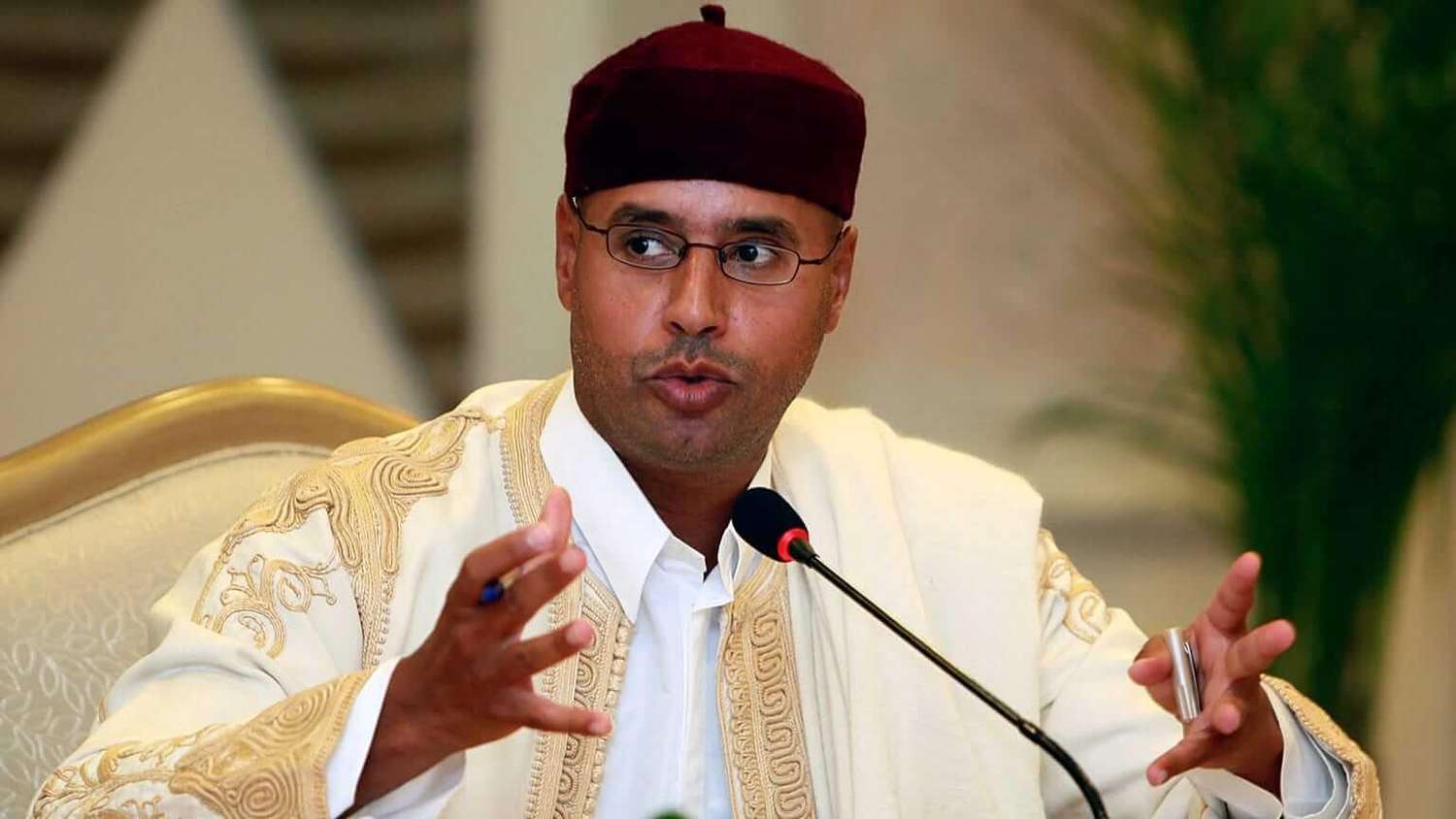
THE ENIGMA IN THE DESERT: FROM LONDON LECTURE HALLS TO A ZINTAN SAFE HOUSE- The confirmed killing of Saif al-Islam Gaddafi, 53, in the western Libyan city of Zintan is not merely the end of a fugitive’s story. It is the explosive finale to a secret second act that Western intelligence agencies and Libyan warlords had been writing for years. While public memory froze him as the suited, English-speaking heir apparent warning of "rivers of blood" in 2011, the man killed this week was a vastly different, more potent political phantom.
Contrary to the image of an isolated prisoner, Gaddafi had evolved into Libya’s most consequential backchannel negotiator. According to sources within the Tripoli-based Government of National Unity (GNU) and Western diplomatic cables reviewed for this report, Gaddafi had, since 2022, been engaged in direct, clandestine talks with CIA intermediaries and representatives of Field Marshal Khalifa Haftar’s Libyan National Army (LNA). The objective: a grand bargain to end the civil war. His proposal, deemed "audacious yet plausible" by one European envoy, was to leverage his residual tribal loyalty in the south and west to support a Haftar-led military unification, in exchange for a ceremonial vice-presidency and a blanket pardon from the International Criminal Court (ICC).
THE SECRET LIFE: A FAMILY IN THE SHADOWS AND A FORTUNE IN LIMBO-Beyond politics, Gaddafi masterfully curated a hidden personal life. While publicly portrayed as a lonely figure, he had quietly married in 2019 to a daughter of a senior Zintani militia commander, a union designed to cement his protection. They had two children, a son and a daughter, who were living under guarded secrecy in Algeria—a fact confirmed by Algerian security sources. This alliance with the Zintan Military Council, which held him for six years, transformed from a captor-hostage dynamic into a symbiotic partnership, with the council becoming the armed wing of his political resurrection.
His famed wealth, once estimated in the tens of billions, remains a global mystery. While the bulk is frozen in European banks, intelligence suggests a network of liquid assets—gold, cash, and cryptocurrency—was moved through Sudanese and Chadian networks after 2017, financing his security and political outreach. The location of these remaining funds died with him, setting off a silent scramble among militias and intelligence services.
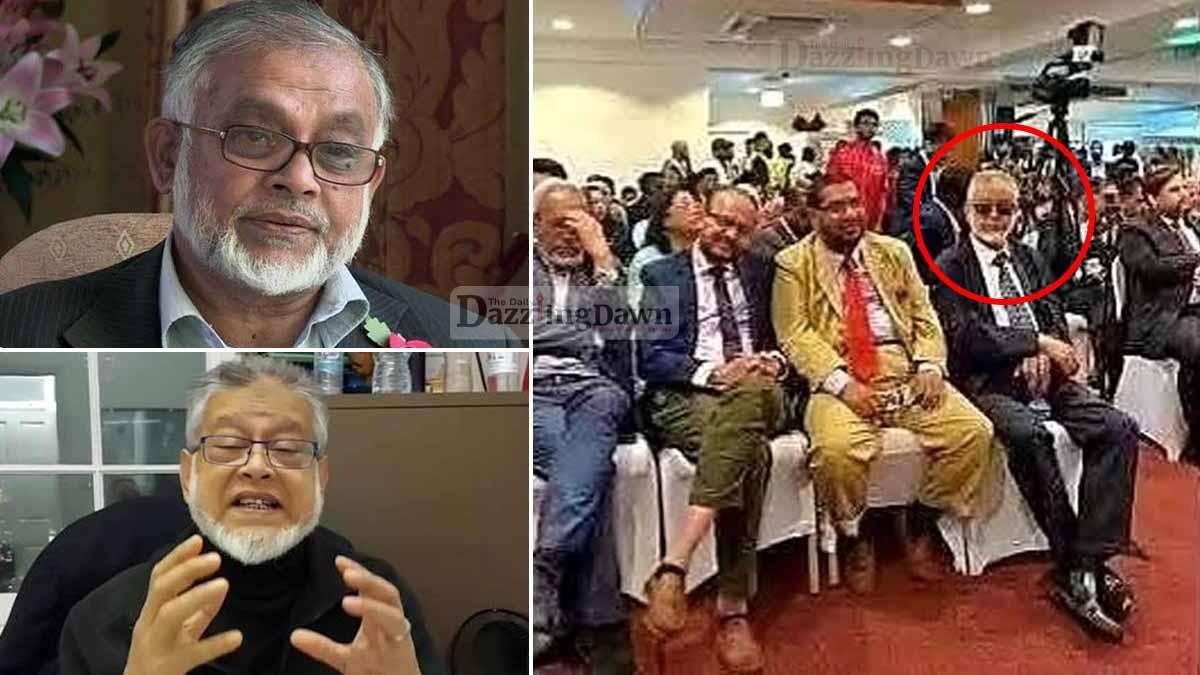
Mistaken Identity: Man at London Event Misidentified as War Criminal Chowdhury Mueen-Uddin
THE UNRAVEELING: WHY HE WAS KILLED NOW? His assassination, therefore, was not a random act of militia violence but a targeted geopolitical strike. The prevailing theory among analysts in Tunis and Cairo points to a fractured deal. Elements within Haftar’s camp, particularly hardliners in Benghazi, grew wary of sharing power with a charismatic Gaddafi whose name still carried symbolic weight. Simultaneously, rivals in Tripoli, including Prime Minister Abdul Hamid Dbeibah, viewed the Gaddafi-Haftar negotiations as an existential threat that would marginalize them entirely.
The timing is critical. His death comes just weeks after a leaked email from 2011, published in February 2026, revealed discussions between Jeffrey Epstein’s associates and Gaddafi's inner circle about accessing Libya’s frozen state assets. This leak refocused international attention on the Gaddafi fortune, potentially threatening the discreet financial channels he relied on. Furthermore, the ICC, under new pressure, had recently reactivated its demand for his surrender, making his neutral sanctuary in Zintan increasingly untenable.
THE FALLOUT: LIBYA IGNITED ANEW-The call for an "urgent and transparent investigation" by Khaled al-Mishri, former head of the High State Council, is a diplomatic formality. On the ground, Zintan is now a flashpoint. The powerful Zintani militias, whose prestige was tied to protecting their high-value ward, have vowed brutal retaliation, accusing "foreign-backed agents" in rival cities of Misrata and Benghazi.
Saif al-Islam Gaddafi’s death closes the book on the direct Gaddafi dynasty but opens a far more dangerous volume. It removes the one figure who could potentially unite disparate tribes and regions under an old banner, however tarnished. Libya now faces a future where the major warlords—Haftar, Dbeibah, and the Zintani brigades—have lost a potential kingmaker and are left with only the language of the gun. The "40 years of chaos" he once prophesied in 2011 now seems less a warning and more a roadmap, accelerated by the single shot that ended his long, hidden struggle for redemption.