

.jpg)
.jpg)



.svg)
The landscape of British welfare has fundamentally shifted with the full implementation of the Public Authorities (Fraud, Error and Recovery) Act, which is now active in 2026. This is no longer just a proposal; it is the law of the land, marking the most aggressive expansion of state recovery powers in a generation.
The Legal Reality of License Seizure
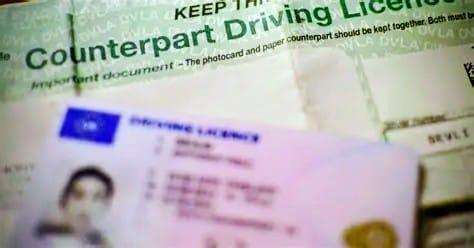
The government has officially weaponized personal mobility to combat welfare debt. Under the new legal framework, the Department for Work and Pensions (DWP) can now apply to the courts to disqualify individuals from driving for up to two years. This "backstop" measure specifically targets those who owe over £1,000 in benefit overpayments—primarily across Universal Credit, ESA, and Pension Credit—and have "wilfully refused" to engage with repayment plans. While the court still technically holds the final pen, the Act streamlines the application process, making it a standard administrative tool rather than a rare legal exception.
The 2026 Code of Practice and Bank Triggers
A newly published Code of Practice now governs how the DWP interacts with the financial sector through "Eligibility Verification Notices." Under these rules, banks are not required to provide full transaction histories but must respond to automated "flags" set by the DWP. The primary triggers include account balances exceeding the £16,000 threshold for Universal Credit and indicators of extended overseas stays. The Code mandates that a human officer must review every automated flag before any formal investigation begins, an attempt by the government to mitigate concerns over "algorithm-led" benefit cuts. Furthermore, the DWP now possesses the power to issue Direct Deduction Orders, allowing them to recover funds directly from a fraudster's bank account without waiting for a court-mandated repayment schedule.
The Deep Analysis of the 2026 Crackdown
Statistical projections for this initiative are staggering, with the government aiming to save £1.5 billion by 2030 and a total of £14.6 billion over the next decade. However, the "Daily Dazzling Dawn" perspective highlights a critical tension: the removal of a driving license often removes the primary means for a claimant to secure work, potentially trapping them in the very welfare system the DWP is trying to shrink. While Labour ministers describe these powers as "proportionate safeguards," human rights groups continue to warn that the removal of judicial oversight for bank deductions creates a "presumption of guilt" that could disproportionately affect the nearly 22 million people within the UK benefits system.
What Happens Next in the Enforcement Timeline
Throughout 2026, the DWP is rolling out its "test and learn" phase for these data-sharing powers. Claimants can expect automated notifications if bank data flags a potential discrepancy. The first wave of license disqualification applications is expected to hit the courts by mid-year, focusing on high-value fraud cases and "ghost" claimants. This digital-first strategy means the DWP is transitioning from a reactive department to a proactive, data-driven enforcement agency that monitors financial behavior in real-time.