





.svg)
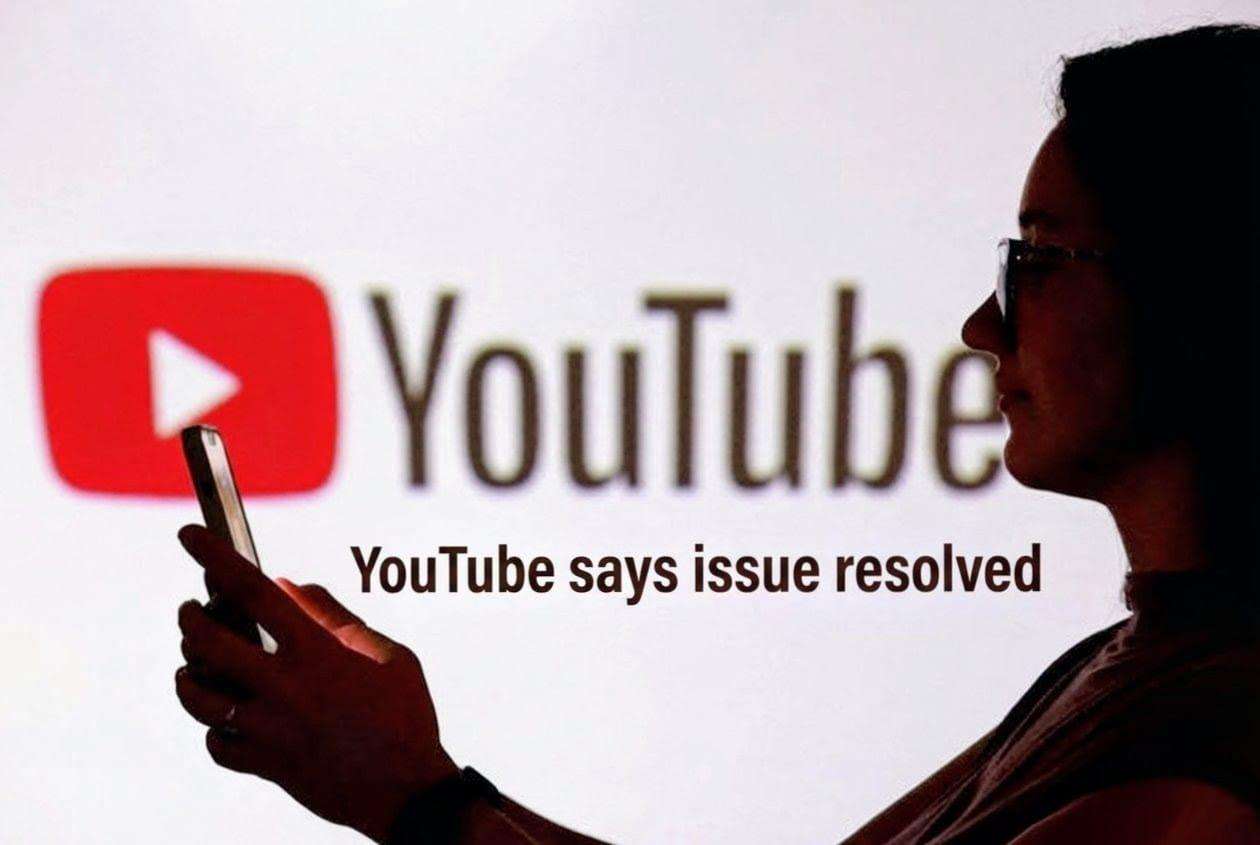
YouTube has officially declared its services operational following a massive disruption that crippled the digital giant's core interface for hundreds of thousands of users.
The Hidden Fracture in the Recommendation Algorithm
While the immediate headlines focused on the inability to log in, the root cause of Tuesday’s digital blackout traced back to a catastrophic synchronization error within YouTube’s recommendation system. Unlike previous outages caused by physical server damage or DNS errors, this specific failure effectively "blinded" the platform, preventing the homepage from fetching personalized data packets. This led to a surreal experience for users who could view direct links to videos but found the main corridors of the site—YouTube Music, Kids, and TV—completely unresponsive.
Engineering Response and the Push for Resilience
Engineers worked under high pressure for two hours to patch the logic error that paralyzed the app for 350,000 simultaneous users. The fix required a manual override of the automated suggestion service, which YouTube later confirmed was the primary bottleneck. Internal sources suggest the platform is now undergoing a massive stress test of its "Safe Mode" protocols to ensure that if the recommendation engine fails again, the site can default to a static interface rather than crashing entirely.
Future-Proofing the Global Video Ecosystem
The 2026 outage has reignited the debate over whether the world’s largest video platform is truly ready for the increasing complexity of AI-integrated streaming. Moving forward, YouTube is expected to accelerate its infrastructure migration to more decentralized node clusters to prevent a single point of failure in the recommendation logic from taking down the entire suite of apps. For creators and advertisers, the focus now shifts to "uptime insurance" as the platform attempts to regain the trust of a global audience that found itself momentarily disconnected.