



.svg)
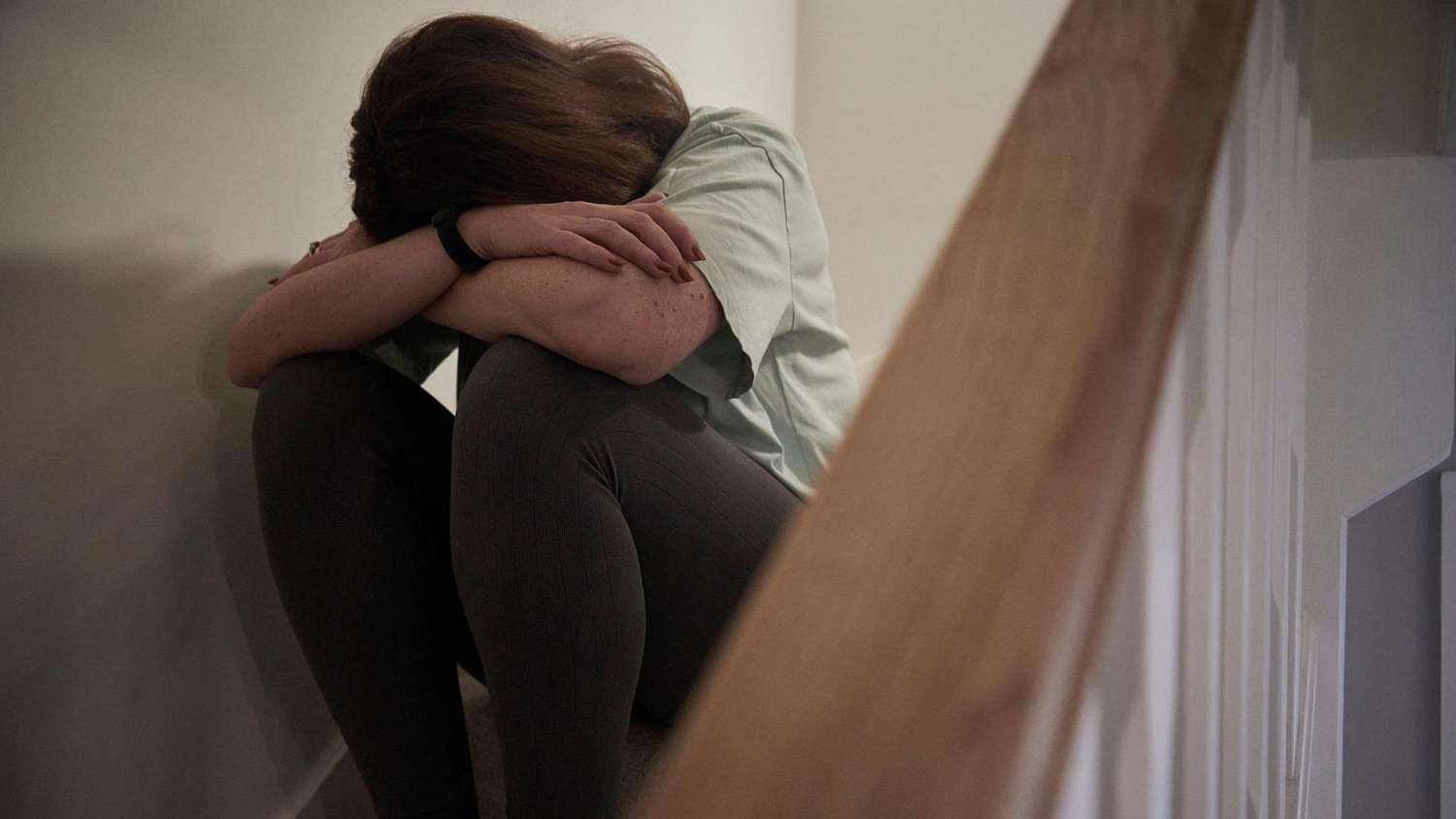
Politicians, campaigners and experts are calling for suicides linked to domestic abuse to be investigated as possible homicides, arguing that many deaths may not be properly examined.
The debate follows new reporting suggesting that suicides connected to domestic abuse could be significantly underreported. While official data from the National Police Chiefs’ Council recorded 98 such deaths last year, estimates suggest the real figure could be far higher — potentially up to 1,500 cases annually. For the second consecutive year, the official total exceeded the number of intimate partner homicides.
Campaigner Karen Ingala Smith said society must do more to recognise the impact of violence against women and ensure better routes to safety for victims.
Dame Nicole Jacobs, the Domestic Abuse Commissioner for England and Wales, said it is unacceptable that families are sometimes left fighting for justice because police fail to ask the right questions in unexpected deaths. She called for all suicides where domestic abuse is suspected to be fully investigated, alongside improved training across the criminal justice system to better understand coercive control and its impact on mental health.
Former Victims’ Commissioner Vera Baird said such cases should be examined from the outset as potential homicides, including the possibility of manslaughter if abuse contributed to the death. She also stressed that some cases initially labelled as suicides may later turn out to be murders, urging police to adopt a thorough investigative approach.
Safeguarding minister Jess Phillips said every life lost to domestic abuse is a tragedy and highlighted the government’s violence against women and girls strategy, launched in December, which includes funding to improve data collection on abuse-related deaths.
Charity Women’s Aid described the findings as deeply concerning, saying many bereaved families are denied justice because deaths are not directly attributed to perpetrators. Sarah Davidge from the organisation said official figures do not fully reflect the reality of domestic abuse and called for better training across agencies.
Support for change appears to cross party lines. Marie Goldman, the Liberal Democrat spokesperson for women and equalities, said reforms are needed to ensure suspected cases are investigated properly and that abusers are held accountable.
Conservative shadow minister Mims Davies said government departments must work together urgently to tackle what she described as an escalating crisis. She also called for improved police access to the Police National Database to help officers review records linked to domestic abuse perpetrators.
Campaigners argue that stronger investigations, better training, and improved data collection are essential steps to ensure justice for victims and their families.