







.svg)
In a digital landscape often fractured by division, 33-year-old content creator Faye Kingston is pioneering a path of profound reconciliation between her British-Muslim identity and her journey as a transgender woman. This Ramadan marks a historic turning point for Kingston, who has chosen to step out from the shadows of private practice to openly share her spiritual discipline with a global audience. While her transition and faith have long been lived realities within her personal and family life, her decision to harmonize these identities publicly has sparked a vital international conversation about the universality of devotion.
Divine Compassion Over Human Judgment
The cornerstone of Kingston’s message is the Islamic principle of Ihsan (excellence in faith) and the belief that the bond between a creator and the created is sovereign. Addressing the surge of online vitriol, she emphasizes that her fast is an act of "reflection and spiritual growth" that no external commentary can invalidate. By leaning into the grace of her faith, she has transformed an experience of dehumanization into a platform for radical empathy, refusing to let digital gatekeepers define the boundaries of her relationship with God.
The Quranic Mandate Against Abuse
While critics often weaponize religious rhetoric, the Quran and the Sunnah (prophetic traditions) provide a stern warning against the very abuse Kingston faces. Islamic scripture explicitly condemns taunting and the use of "harsh tongues."
Surah Al-Hujurat (49:11): "O you who have believed, let not a people ridicule [another] people; perhaps they may be better than them."
Surah Al-Baqarah (2:263): "Kind words and forgiveness are better than charity followed by injury."
Furthermore, scholars who advocate for the inclusion of gender-variant individuals often point to the Prophet’s (PBUH) protection of the mukhannathun (a historical term for gender-nonconforming people) in Medina, forbidding any harm to come to them. This historical precedent supports Kingston’s assertion that kindness and humility are the true barometers of a faithful community.
A Legacy of Visibility
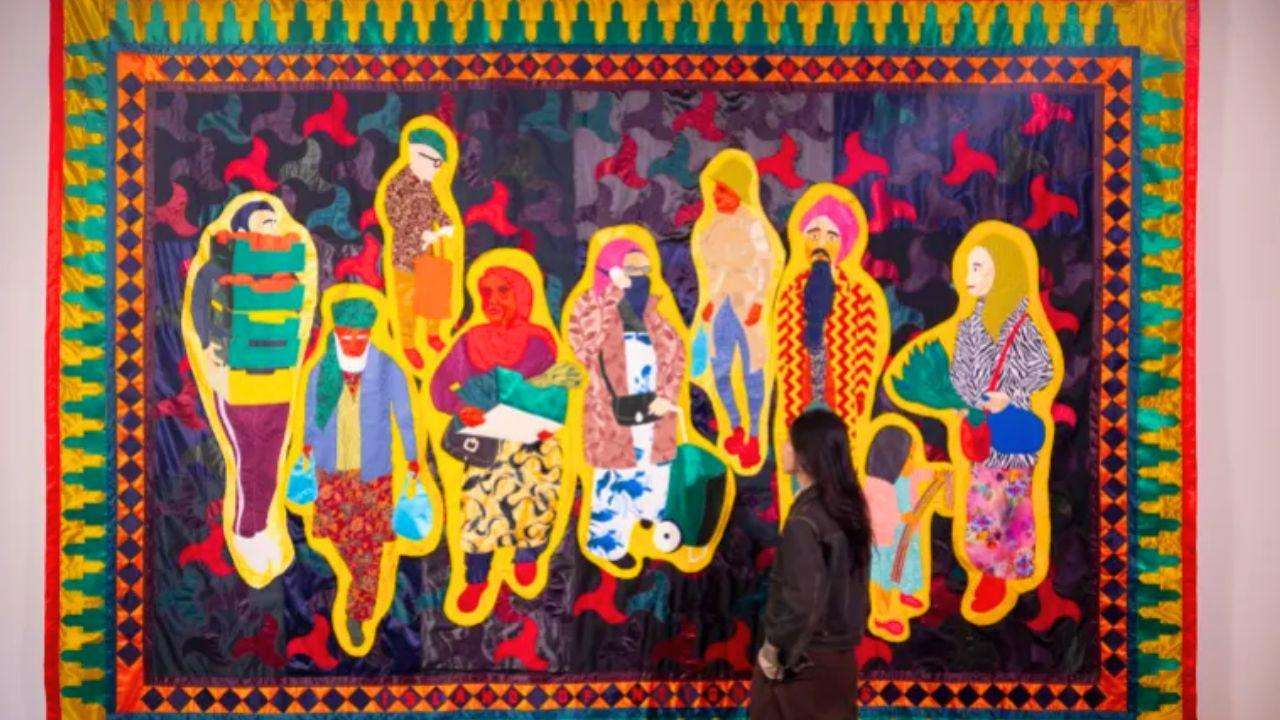
Kingston’s courage is rooted in a desire to ensure that no one else feels isolated in their lived experience. By integrating her faith into her content, she is not merely "performing" a religious rite; she is advocating for the right of all individuals to exist with dignity. Her journey serves as a living testament that ethnic identity, gender identity, and religious devotion are not competing forces, but threads of a singular, complex human tapestry.



_3.jpg)