




.svg)
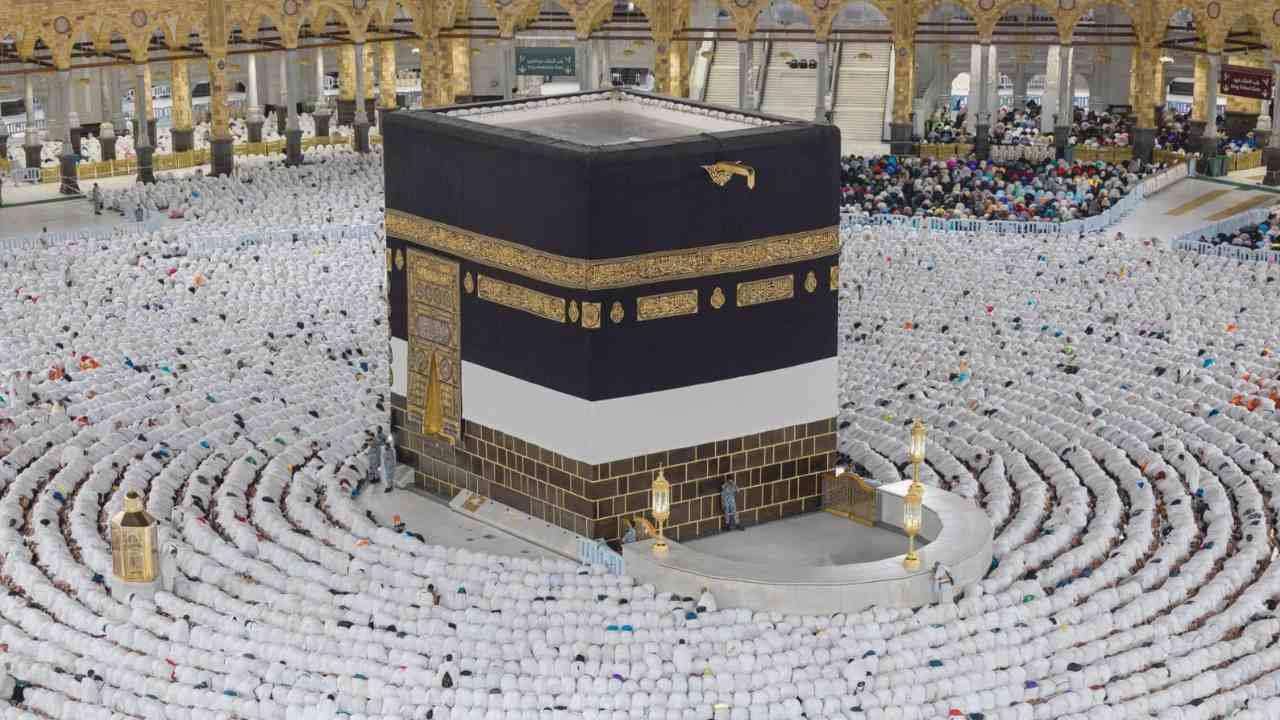
The 2026 Hajj season has transformed into a high-tech enforcement zone as Riyadh deploys biometric barriers and unprecedented legal sanctions to secure the holy sites.
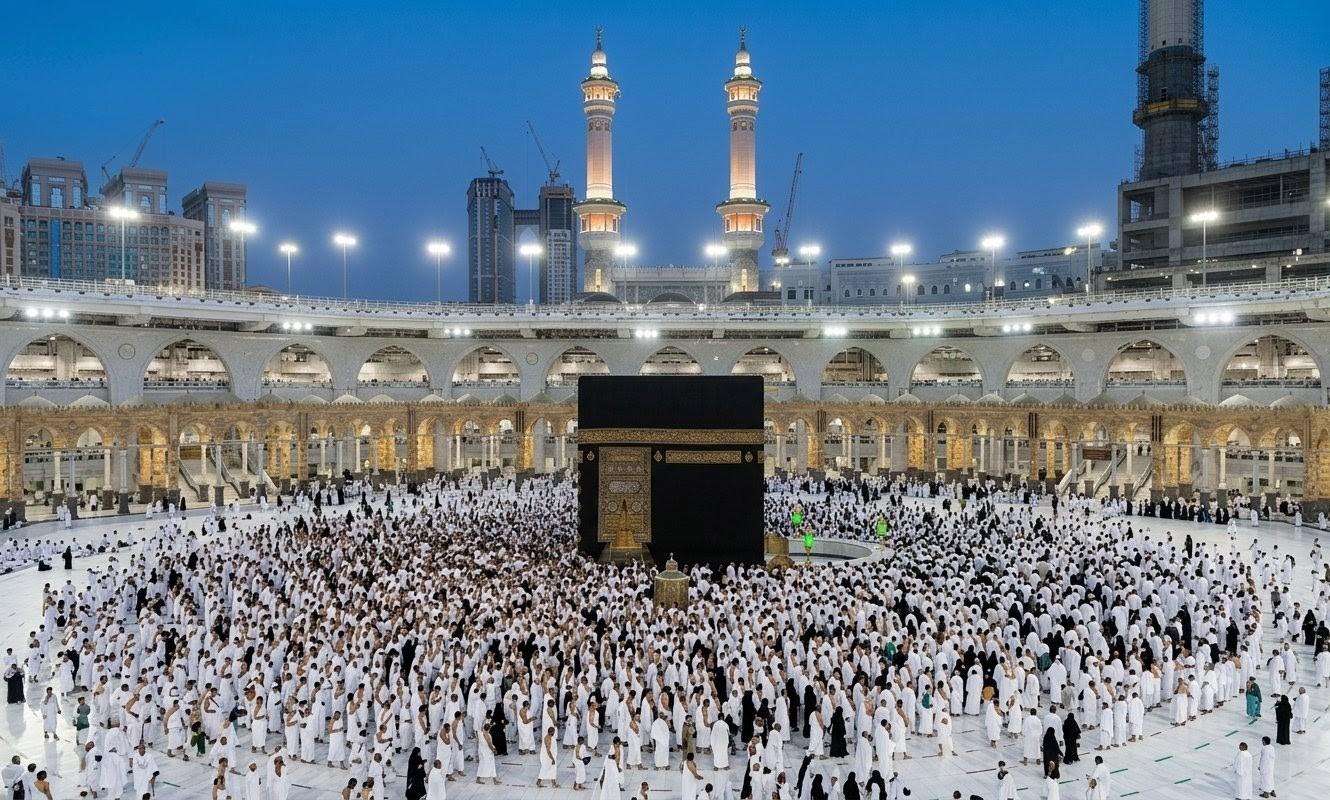
As the first international delegations from India, Pakistan, and Bangladesh touch down in the Kingdom, they are entering a landscape where spiritual devotion is met with a sophisticated digital architecture designed to eliminate unauthorized participation. Saudi Arabia has officially shifted from a policy of guidance to one of absolute enforcement, establishing a "zero-tolerance" zone around Makkah that relies on real-time biometric tracking and severe financial deterrents.
The Financial and Legal Perimeter
The Saudi Ministry of Interior has confirmed to journalists that the era of "visa leakage"—where individuals utilize visit visas to perform Hajj rituals—is over. Effective immediately, any individual apprehended within the holy sites or the precincts of Makkah without a verified Hajj permit faces an immediate fine of SAR 20,000 (approximately ₹4.4 lakh or PKR 15 lakh). Beyond the fiscal penalty, the consequences are terminal for future travel: offenders face summary deportation and a definitive 10-year ban from entering Saudi Arabia. For those facilitating illegal entry, including transport providers and unauthorized housing agents, the stakes are even higher, with fines reaching SAR 100,000 and potential imprisonment.
Digital Credentials and Biometric Locks
The central pillar of this year's operation is the Nusuk platform, which has been upgraded to serve as a mandatory digital identity hub. For the 175,025 pilgrims from India, 179,210 from Pakistan, and 127,198 from Bangladesh, the newly issued Hajj Card is now the only valid currency of movement. As told to journalists, these cards are linked to biometric data collected at home-country airports, allowing security forces at "Sahn" checkpoints to instantly verify a pilgrim’s authorization. This system effectively locks the city of Makkah to anyone not carrying the official digital "Tasreeh."
The Next Phase: Infrastructure and Health
What is happening next marks a significant shift in the pilgrim experience. To manage the massive South Asian influx, Saudi authorities have introduced "Pre-Departure Clearance" under the Makkah Route Initiative, allowing pilgrims to clear Saudi customs while still in Delhi, Islamabad, or Dhaka. Once on the ground, the Indian mission has pioneered the use of "hotel-style" high-rise clusters in Makkah, replacing traditional multi-occupancy buildings with modernized facilities. These zones are now being integrated with localized Hajj Clinics to combat the projected heat levels and ensure rapid medical response.
Strict Suspension of Secondary Visas
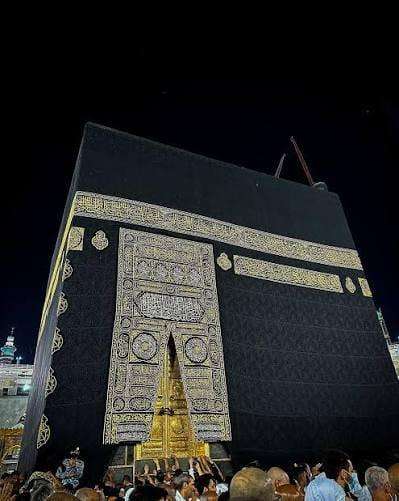
To maintain this digital cordon, Saudi Arabia has suspended all Umrah permits via the Nusuk app until June 2026. This ensures that the infrastructure of the holy sites is reserved exclusively for those within the official quota. As told to journalists, even local residents and GCC nationals are barred from Makkah unless they hold specific Hajj authorizations. The message from the Ministry of Hajj and Umrah is unequivocal: the permit is no longer a formality; it is the fundamental requirement for entry into the sacred journey.



.jpg)