






.svg)
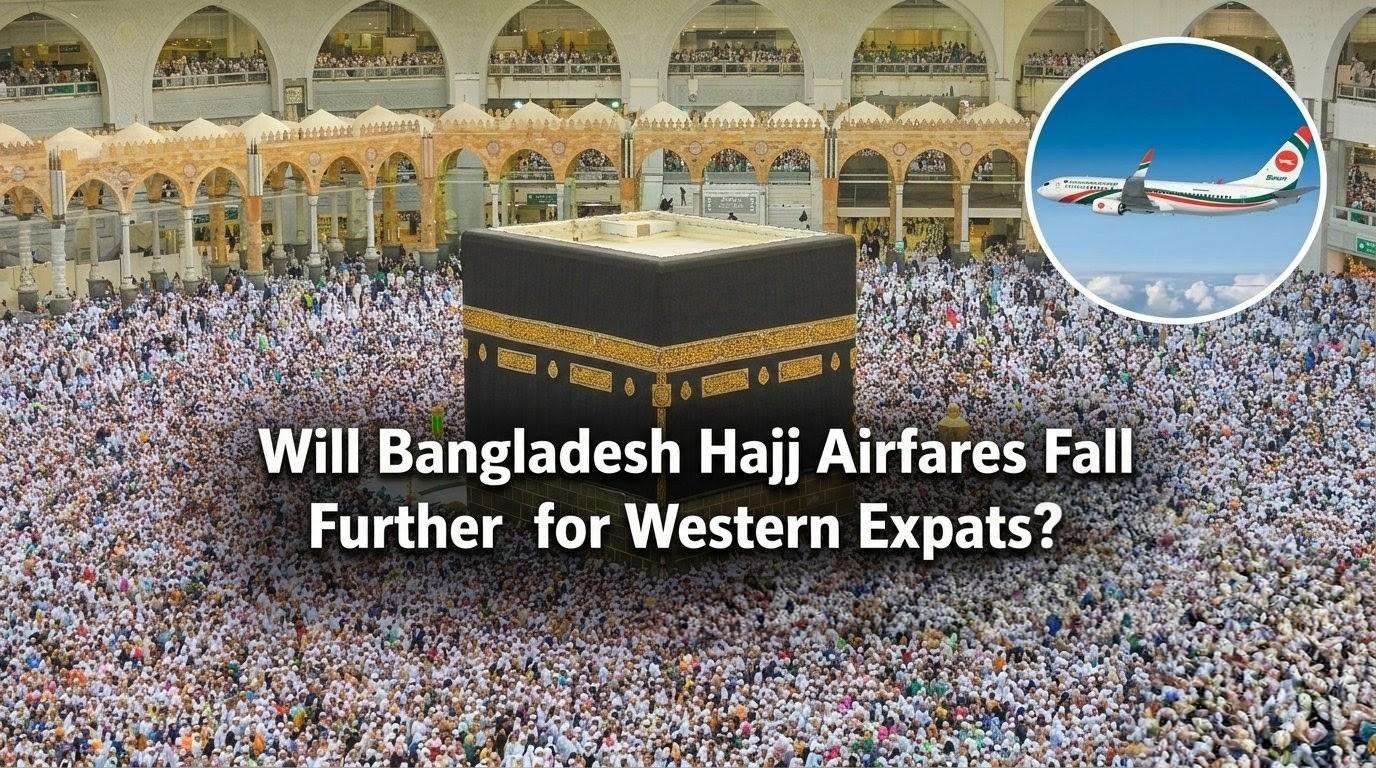
The spiritual conclusion of Ramadan has been met with a widening logistical deadlock as the "transit trap" ensnares over 50,000 international pilgrims currently in Saudi Arabia. While the Holy Cities remain stable, the collapse of traditional flight corridors has left 14,115 Indonesian worshippers and an estimated 10,000 British and European travelers unable to secure return passage. Governments are now moving beyond observation, drafting "war-time" aerial maps to bypass the Gulf entirely via the Indian Ocean and North Africa.
The Transit Trap and European Gridlock
The crisis is most acute for those relying on connecting flights through Dubai, Doha, and Abu Dhabi. Recent security escalations have led to intermittent shutdowns of these critical hubs, leaving European pilgrims stranded in a secondary bottleneck. British Airways, Lufthansa, and Air France have suspended several routes to the region until mid-March, while the UK Foreign Office has advised British nationals in the Kingdom to "stay inside" and maintain personal emergency plans that do not rely on government evacuation. For many European travelers, the "transit trap" means being stuck in hotel rooms in Jeddah or Medina as their original tickets become void and the price of direct "escape flights" to London or Paris triples in cost.
The "Southern Bypass" and Economic Fallout
In response to the narrowing of northern corridors over Iraq and Iran, Indonesia’s Ministry of Hajj and Umrah has proposed a "Southern Bypass." This contingency involves rerouting long-haul flights across the Indian Ocean and entering Saudi airspace via East Africa. While this route avoids the conflict zone, the increased flight duration adds significant fuel costs and requires technical stops in third countries. For pilgrims already facing financial strain, these logistics are creating a "wealth barrier" to returning home, as many smaller Umrah operators struggle to cover the surcharges for rescheduled charters.
Future Outlook: Hajj 2026 Contingency Scenarios
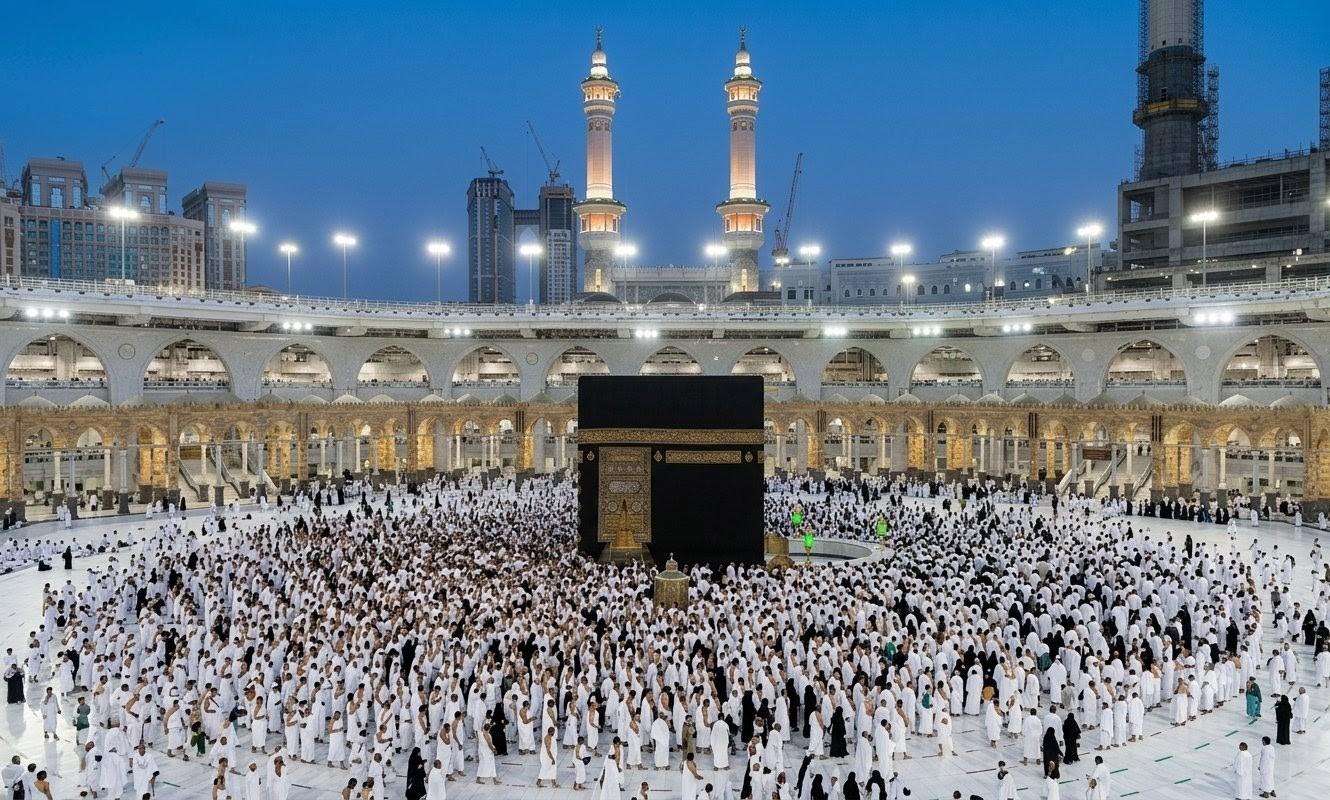
As the 2026 Hajj season looms, Jakarta and Riyadh are reportedly discussing three "war scenario" protocols. The most optimistic plan involves "protected non-combatant" status for pilgrim flights using the new southern corridors. However, more drastic measures include a "diplomatic rollover," where millions of dollars in pre-paid accommodation fees for Mina and Arafat would be transferred to 2027 if the transit risk is deemed too high. At the Grand Mosque, authorities are using AI-driven barcode systems to manage the current backlog, urging those still on the ground to perform rituals during the 8:00 AM to 3:00 PM "safe window" to avoid the dangerous overcrowding caused by delayed departures.