




.svg)
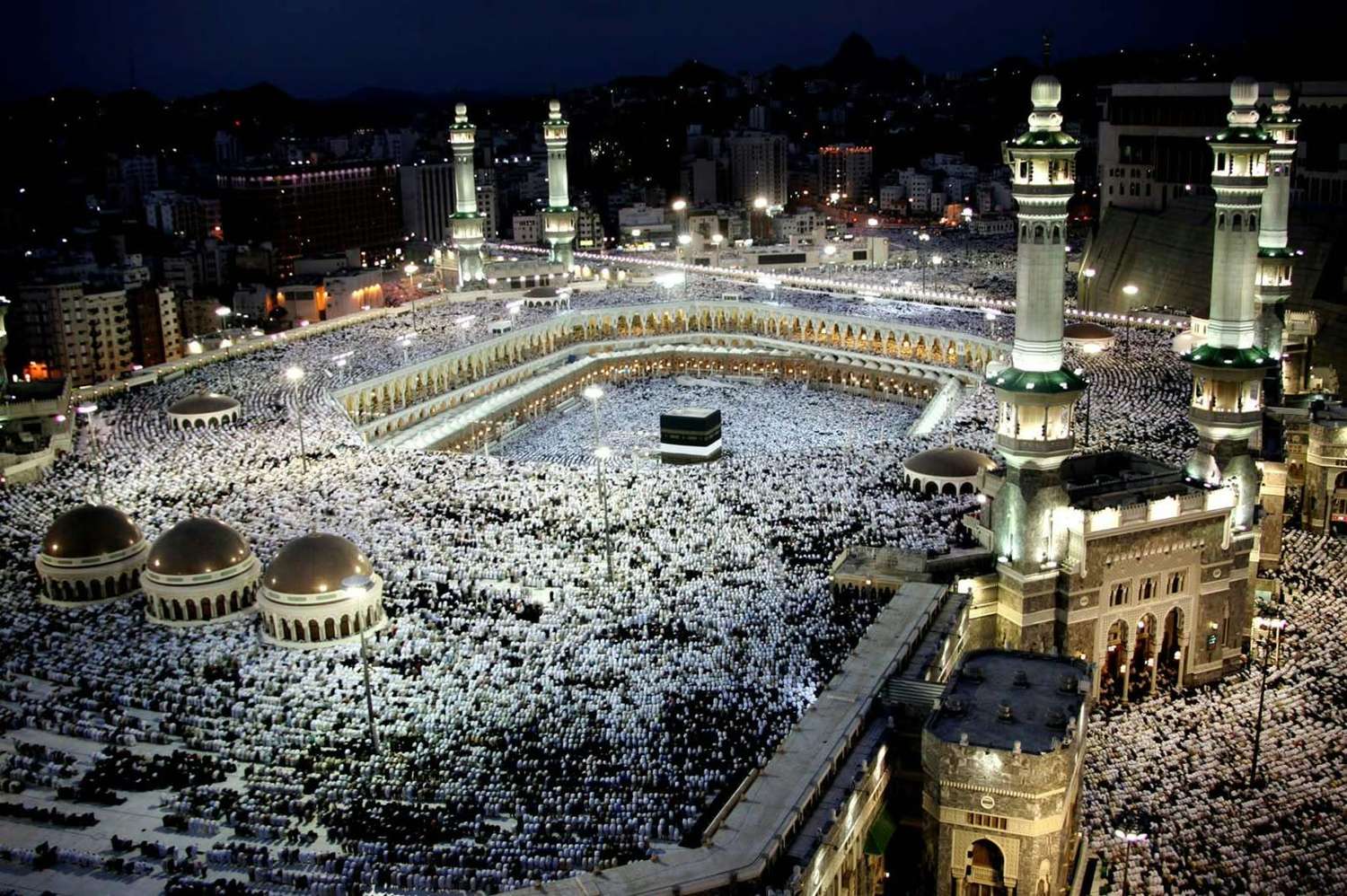
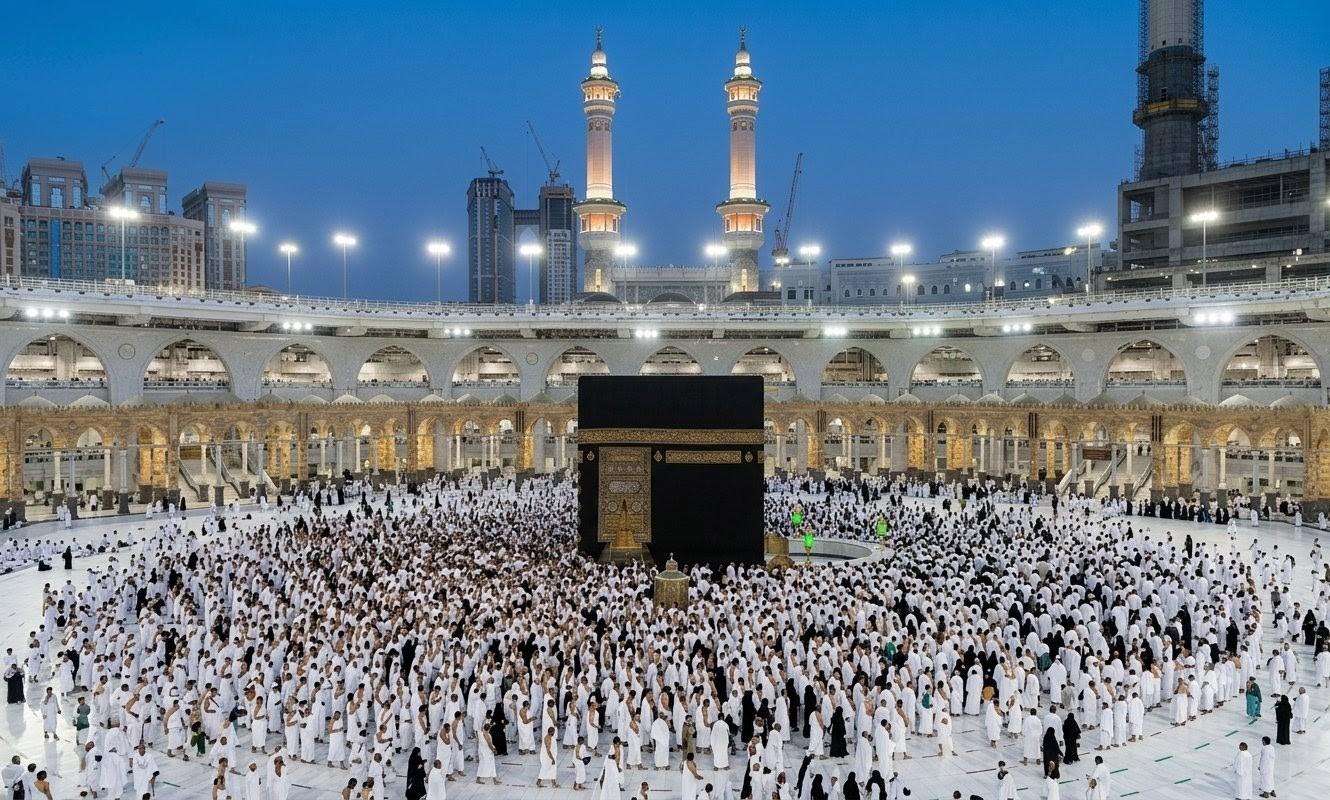
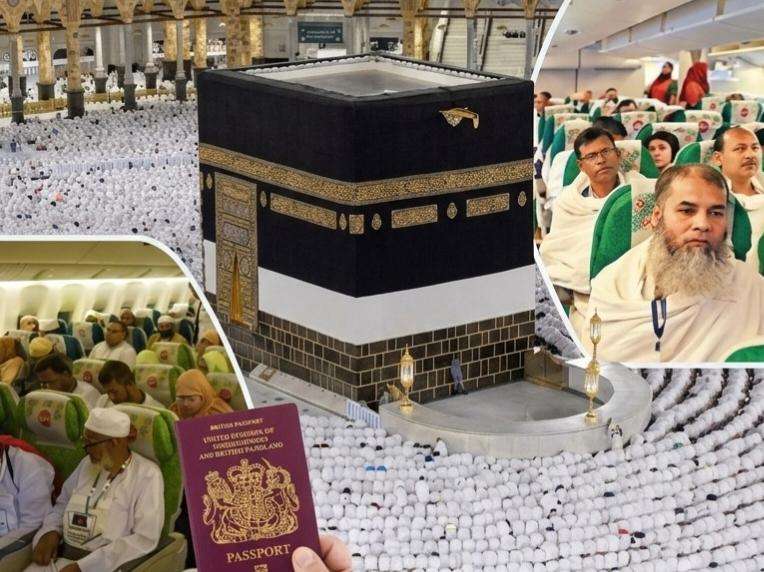
As the 2026 Hajj season intensifies, a growing number of British-Asian dual nationals are navigating a high-stakes logistical puzzle: securing Hajj slots via ancestral quotas in Bangladesh, Pakistan, or India, while planning a direct return to the United Kingdom. While the strategy is a legal solution to the UK’s limited Hajj seat allocation, immigration experts are issuing an urgent "Consistency Alert" regarding the use of two passports during a single journey.
The Quota Pivot
With the UK’s "Nusuk" booking system oversubscribed and seat numbers capped, thousands of British citizens are utilizing their Bangladeshi, Pakistani, or Indian passports to access the significantly larger quotas of their home countries. This allows pilgrims to bypass the UK lottery system and often perform the pilgrimage alongside extended family members. However, the transition from a South Asian-issued Hajj visa to a British-bound return flight has created a complex "Identity Maze" at airport terminals.
The Golden Rule: Entry Must Match Exit
The primary legal hurdle identified by travel analysts is the "Entry-Exit Consistency" protocol enforced by Saudi Arabia’s Ministry of Interior. Journalists have been informed that any pilgrim entering the Kingdom on a Bangladeshi or Pakistani passport is digitally recorded as a national of that country.
"You cannot enter as a Bangladeshi and attempt to leave as a Briton at the immigration desk," explained a senior travel consultant. "The Saudi exit system requires the officer to 'close' the entry record that was opened upon arrival. If you present a British passport to the Saudi officer when your entry was stamped in a Bangladeshi one, the system will trigger an error, leading to significant delays and potential interrogation."
The 2026 Airline Compliance Factor
The challenge is compounded by the UK’s new digital border mandates. While the Saudi authorities must see the passport used for entry, the airline check-in desk must see the British passport. Under 2026 regulations, carriers are strictly prohibited from boarding passengers to London on South Asian passports without a valid Electronic Travel Authorisation (ETA). Since British citizens are ineligible for an ETA, the physical British passport is the only document that will clear the airline's digital manifest.
The ‘Two-Passport’ Protocol for 2026
To navigate this legally, pilgrims are advised to follow a strict two-step verification process at the airport:
- Step 1 (Check-in): Present the British passport to the airline staff to confirm the right of abode in the UK and clear the digital security manifest.
- Step 2 (Passport Control): Present the South Asian passport (containing the Hajj visa) to the Saudi immigration officer to officially record the departure and prove that the visa conditions were met.
A Legal Warning on Dual Documentation
Community leaders have clarified that carrying both passports is 100% legal under both UK and South Asian dual-nationality laws. However, relying on one and losing the other mid-journey can be catastrophic. The Home Office has recently noted that while emergency travel documents can be issued in Jeddah, they take time to process, and pilgrims stranded at the gate due to "passport mismatch" may lose their return flights entirely.
What Happens Next
With the return phase of Hajj 2026 approaching, Saudi airports are expected to see a surge in manual document verification for dual nationals. Pilgrims are urged to ensure both passports are kept in physical possession—digital copies will not suffice for the 2026 border systems.